
UK Economy Under Pressure as Energy Costs Surge and Households Feel the Heat
UK Economy Under Pressure as Energy Costs Surge and Households Feel the Heat
Published: March 24, 2026
By Peter Asika | InfoJet Global Desk
The United Kingdom is entering a critical economic phase as rising energy prices, global tensions, and increasing living costs begin to weigh heavily on households and businesses. Across the country, from London to smaller towns, the effects are becoming more visible. Higher bills, cautious spending, and growing uncertainty are now shaping daily life.
At InfoJet, we provide clarity on global developments that matter. Here is a deep look into what is driving the current situation in the UK and what it could mean going forward.
Energy Prices Climb, Triggering Nationwide Concern
Energy costs have become one of the biggest challenges facing the UK. Prices for fuel, electricity, and gas continue to rise due to global supply disruptions and geopolitical instability.
For households, this translates directly into higher monthly expenses. For businesses, especially small and medium enterprises, it means increased operational costs that are becoming harder to absorb.
Transport companies are already adjusting pricing, and this is beginning to push up the cost of goods across multiple sectors, including food and basic necessities.
Economic Growth Slows as Spending Tightens
As the cost of living rises, consumer behavior is shifting. Many households are cutting back on non essential spending and focusing strictly on basic needs such as food, rent, and utilities.
This reduction in spending is slowing economic activity. Businesses are experiencing reduced demand, which may lead to lower revenue, reduced hiring, and in some cases job losses.
Economic observers warn that if this trend continues, the UK could experience a period of slow growth or enter a mild recession.
Borrowing Becomes More Expensive
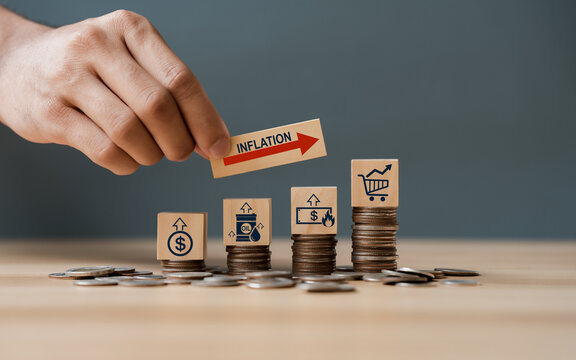
Rising inflation has triggered adjustments in interest rates, making borrowing more expensive across the board. Mortgages, personal loans, and business financing are all becoming costlier.
For homeowners, this could mean increased monthly repayments. For young people looking to enter the housing market, affordability is becoming an even bigger challenge.
Businesses are also facing tighter financial conditions, limiting expansion and investment opportunities.
Government Strategy Under the Spotlight
The UK government is under growing pressure to respond effectively. Current indications suggest a focus on targeted support rather than broad financial relief.
This means assistance may be directed toward vulnerable groups, while many working households may still face ongoing financial strain.
At the same time, policymakers are exploring long term strategies, including investments in renewable energy and reducing dependence on external energy sources.
Cost of Living Crisis Deepens
The situation is increasingly being described as a cost of living crisis. Everyday expenses continue to rise, affecting millions of households.
Grocery bills are increasing. Energy costs remain unstable. Transportation expenses are climbing steadily.
Families are adapting by cutting spending, delaying major decisions, and seeking additional income streams. This is reshaping not just economic activity but also lifestyle patterns across the country.
Global Events Driving Local Impact
The challenges facing the UK are closely tied to global developments. Energy supply disruptions, international conflicts, and market volatility are all contributing to the current pressure.
This reinforces a key reality of the modern economy. National economies are deeply interconnected, and global events can have immediate local consequences.
Infrastructure Challenges Add to Pressure
In addition to economic concerns, infrastructure disruptions are affecting daily routines. Planned upgrades and temporary closures at major transport hubs are impacting commuters and travelers.
While these improvements aim to strengthen long term efficiency, they are adding short term inconvenience during an already difficult period.
A Moment of Diplomacy Amid Economic Tension
Amid domestic challenges, the UK continues to engage internationally. Ongoing diplomatic efforts are expected to strengthen relationships with key global partners.
Such engagements may play a role in stabilizing trade and economic cooperation in the long term.
Sport Offers a Brief Escape
Even in challenging times, sport remains a unifying force. Football and other major events continue to provide moments of relief and connection for millions across the UK.
What Lies Ahead for the UK
The coming months will be critical in determining the direction of the UK economy. Key factors to watch include energy price trends, government intervention, interest rate decisions, and consumer confidence.
If conditions stabilize, recovery is possible. If pressures persist, the UK may face a longer period of economic adjustment.
Financial Markets React to Growing Uncertainty
Financial markets across the UK have begun to reflect the growing economic tension. Investors are becoming more cautious, with fluctuations seen in stock prices and currency movements.
The British pound has faced periods of pressure as global investors assess the country’s economic outlook. At the same time, volatility in energy and commodity markets is influencing investment decisions, particularly in sectors heavily tied to imports and production costs.
Market analysts note that uncertainty often leads to reduced risk-taking, which can slow down capital flow into businesses and innovation.
Housing Market Shows Signs of Cooling
The UK housing market, which has been highly active in recent years, is beginning to show signs of slowing down. Rising mortgage rates and affordability concerns are reducing demand from buyers.
Property developers are also becoming more cautious, as construction costs increase due to higher energy prices and supply chain challenges.
For first-time buyers, the situation presents a mixed picture. While prices may stabilize or slightly decline, the cost of borrowing remains a major obstacle.
Pressure on Public Services Increases
Public services are also feeling the effects of the economic strain. Increased operational costs are impacting sectors such as healthcare, transportation, and education.
Local councils are facing tighter budgets, forcing difficult decisions about spending priorities. In some areas, this may lead to reduced services or delays in infrastructure projects.
The challenge for policymakers is to maintain service quality while managing limited financial resources.
Energy Transition Gains Urgency
The current situation is accelerating conversations around energy transition in the UK. There is a growing push to move toward renewable and locally sourced energy to reduce dependence on global markets.
Investments in wind, solar, and nuclear energy are being discussed more aggressively as part of long-term planning.
While these initiatives offer hope for future stability, they require significant funding and time to implement. In the short term, the UK remains exposed to global energy fluctuations.
Impact on Students and International Residents
The rising cost of living is also affecting students and international residents across the UK. Tuition fees, accommodation, and daily expenses are becoming more difficult to manage.
Many students are seeking part-time work to support themselves, while others are adjusting their budgets and lifestyles.
For international students considering the UK, affordability is becoming a key factor in decision-making, alongside education quality and career opportunities.
Consumer Behavior Shifts Toward Value and Necessity
A noticeable shift is occurring in how people spend money. Consumers are becoming more price-conscious, prioritizing value and essential goods over luxury or convenience.
Retailers are responding by offering discounts, promotions, and budget-friendly alternatives. At the same time, premium brands may experience slower growth as spending habits evolve.
This behavioral change could have long-term implications for the structure of the UK retail and service industries.
Businesses Turn to Innovation for Survival
In response to rising costs and uncertainty, many UK businesses are turning to innovation as a survival strategy.
Companies are investing in digital tools, automation, and efficiency-driven processes to reduce expenses and improve productivity. Others are exploring new markets or adjusting their business models to remain competitive.
This period of pressure may ultimately lead to a more resilient and technologically advanced business environment.
Regional Differences Highlight Uneven Impact
The economic impact is not being felt equally across the UK. Major cities like London may have more resilience due to diversified economies, while smaller towns and regions dependent on specific industries may face greater challenges.
This uneven impact is raising concerns about regional inequality and the need for targeted economic policies to support affected areas.
Long-Term Outlook Remains Uncertain
While short-term pressures are clear, the long-term outlook for the UK economy remains uncertain. Much will depend on how global conditions evolve and how effectively domestic policies respond to current challenges.
There is potential for recovery, particularly if energy markets stabilize and consumer confidence improves. However, the path forward is likely to require careful management and strategic decision-making at all levels.
InfoJet Extended Insight
At InfoJet, this phase represents more than just an economic slowdown. It signals a transition period where traditional systems are being tested and new opportunities are emerging.
Periods like this often reshape economies, forcing innovation, efficiency, and new ways of thinking. For individuals and businesses alike, the ability to adapt will determine success in the coming years.
The UK’s current challenges are significant, but they also present an opportunity to build a more sustainable, resilient, and forward-looking economy.
InfoJet Insight
At InfoJet, we see this moment as part of a broader global shift where economic resilience, adaptability, and strategic planning are becoming more important than ever.
For young professionals, students, and entrepreneurs, this is a time to stay informed, build financial awareness, and position for emerging opportunities.
The UK remains one of the world’s leading economies. How it responds to this challenge will not only shape its future but also influence global economic trends.
About the Author


