InfoJet Special Report, Global Aviation
Historic Shift in Global Aviation as Dubai Airport Becomes World’s Busiest
A major turning point has emerged in global aviation as Dubai International Airport, DXB, officially takes over from Hartsfield–Jackson Atlanta International Airport, ending Atlanta’s long-standing dominance as the world’s busiest airport. For years, Atlanta held the top position largely due to massive domestic travel within the United States, while Dubai’s rise to number one marks a clear shift in how global travel is structured, from domestic-heavy traffic to truly international connectivity.
Atlanta Airport’s dominance was built on volume within a single country, while Dubai’s success is powered by global movement across continents. By overtaking Atlanta, Dubai has redefined what it means to be the world’s busiest airport. This milestone is not just about passenger numbers, it reflects influence, reach, and strategic importance in the global aviation network. InfoJet notes that this transition highlights a broader change in travel patterns, where international hubs are now outperforming traditional domestic giants.
Dubai’s geographic advantage played a central role in this takeover. Positioned between Europe, Asia, and Africa, DXB serves as a natural crossroads for long-haul flights. Unlike Atlanta, which relies heavily on United States domestic routes, Dubai thrives as a global connector, linking cities separated by thousands of miles. This strategic location allowed Dubai to steadily close the gap and eventually surpass Atlanta in total passenger traffic.
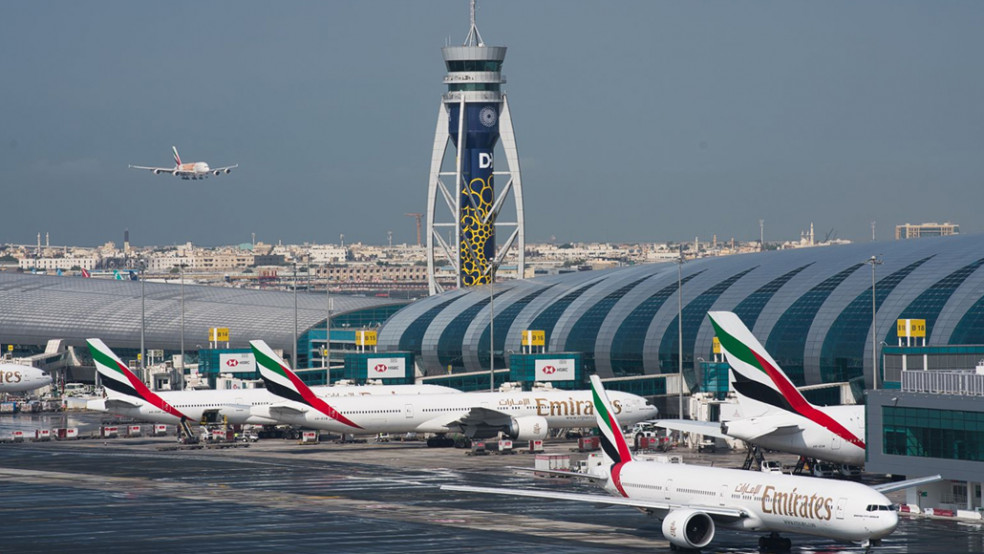
Another major factor behind Dubai overtaking Atlanta is the strength of Emirates Airline. While Atlanta benefits from strong United States carriers, Emirates operates an extensive international network that channels millions of passengers through Dubai each year. InfoJet analysis shows that Emirates’ long-haul strategy, combined with high service standards and modern aircraft, redirected global travel flows toward Dubai, accelerating its climb to the top of the global rankings.
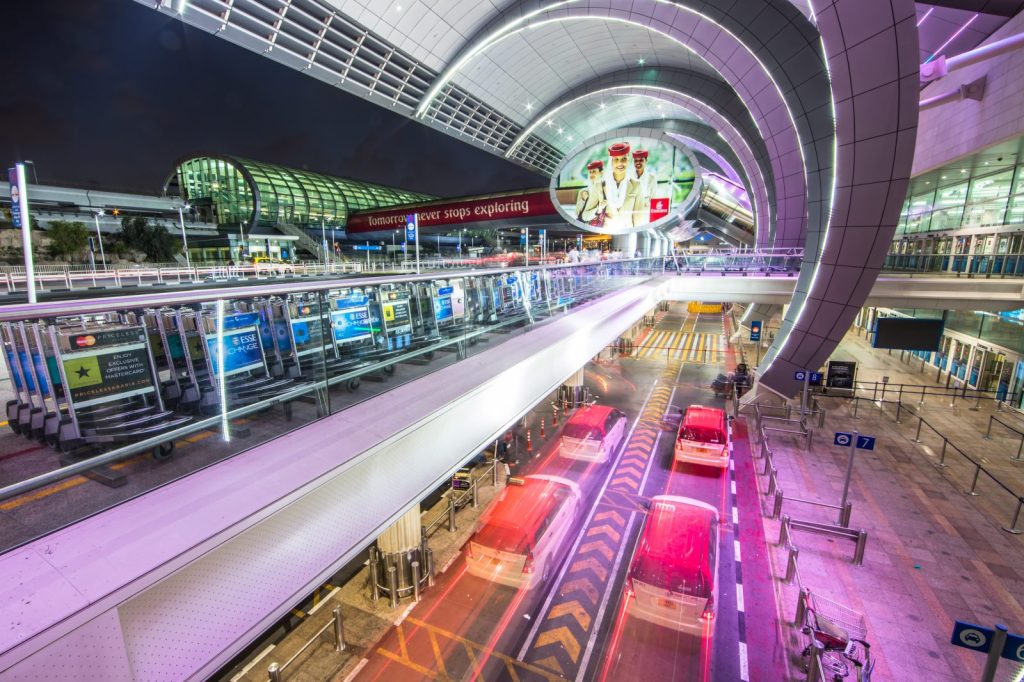
Infrastructure investment further separated Dubai from Atlanta. Dubai International Airport has undergone continuous expansion and technological upgrades to handle rising passenger volumes efficiently. From biometric immigration systems to advanced baggage handling technology, DXB prioritized speed, security, and passenger comfort. This forward-thinking approach allowed Dubai to scale rapidly, while many older airports face physical and regulatory limitations.
The economic implications of Dubai’s rise are significant. Atlanta remains a critical aviation hub in North America, but Dubai’s takeover signals a wider shift of aviation power toward the Middle East. Each passenger moving through DXB contributes to tourism, trade, retail, logistics, and job creation across Dubai. InfoJet assessments indicate that this achievement further strengthens Dubai’s position as a global business and transport hub.
Changing travellers’ behavior has also influenced this historic shift. Modern passengers prioritize seamless international connections, reliability, and high-quality airport experiences. Dubai’s ability to deliver efficient transit services, flexible visa policies, and premium facilities has made it a preferred choice for global travellers. This evolution in passenger expectations has played a key role in Dubai surpassing Atlanta.
Despite this achievement, becoming the world’s busiest airport also brings new challenges. Managing congestion, maintaining service standards, and addressing sustainability concerns will remain critical issues. Environmental responsibility and operational efficiency will shape how Dubai sustains its leadership in the years ahead, as global scrutiny on aviation continues to intensify.
Dubai International Airport’s rise to the position of the world’s busiest airport represents a defining change in how global air travel is organized and measured. By surpassing Hartsfield–Jackson Atlanta International Airport, which held the top spot for decades, Dubai has demonstrated that international connectivity is now just as powerful as domestic travel volume in determining aviation dominance. This change reflects a world that is more interconnected than ever, where long-distance travel and global mobility continue to expand.
For many years, Atlanta’s leadership was driven by the sheer scale of travel within the United States. Its role as a central domestic hub made it unmatched in passenger numbers. Dubai’s emergence at the top tells a different story. DXB’s strength lies in its ability to connect continents rather than cities within one country. Passengers traveling between Asia, Europe, Africa, and the Americas increasingly rely on Dubai as a midpoint, making it one of the most important transit gateways on the planet.
The strategic planning behind Dubai’s aviation model has been crucial to this success. Authorities in Dubai built the airport not just to serve local demand, but to capture global traffic flows. Flight schedules, terminal design, and airport operations were all optimized for international transfers. This long-term planning allowed Dubai to absorb rising passenger numbers without the bottlenecks that affect many older airports around the world.
A major contributor to this achievement is the global reach of Emirates Airline. The carrier’s focus on long-haul routes and underserved markets has redirected millions of travelers through Dubai. Rather than relying on short domestic hops, Emirates connects distant cities directly, using Dubai as a central hub. This strategy has steadily increased DXB’s passenger throughput and strengthened its role in global aviation networks.
Beyond airline strategy, Dubai International Airport has benefited from strong government backing and consistent investment. Continuous improvements in airport technology, security systems, and passenger processing have helped maintain efficiency despite heavy traffic. Travelers passing through DXB often experience shorter connection times and smoother transfers, making it an attractive option compared to other global hubs.
The shift from Atlanta to Dubai also highlights changing economic realities. Growth in international tourism, cross-border business, and global migration has increased demand for airports that specialize in international travel. Dubai sits at the heart of this movement. Each passenger passing through the airport supports sectors such as hospitality, retail, logistics, and finance, reinforcing Dubai’s position as a global commercial center.
However, holding the title of the world’s busiest airport comes with responsibility. Managing environmental impact, reducing emissions, and maintaining service quality at scale will be ongoing challenges. As global attention focuses more on sustainable aviation, Dubai’s ability to balance growth with environmental commitments will shape its future reputation.
InfoJet Final Take:
Dubai International Airport overtaking Atlanta to become the world’s busiest aviation hub marks a defining moment in global travel history. It signals the end of a long era dominated by domestic-focused hubs and the rise of a globally connected airport built on vision, investment, and strategic positioning. As international travel continues to evolve, Dubai’s ascent confirms that the center of global aviation has shifted, and Dubai now stands at the forefront.
REPORTER: Onyeka Evans
About the Author


