Updated January 25, 2026, by InfoJet
Reported by: Dr. Peter Asika
UK Introduces New Dual Citizenship Passport Rules for 2026
UK Introduces New Dual Citizenship Passport Rules for 2026
The United Kingdom has unveiled updated rules for dual citizenship passport holders, effective from February 25, 2026. These changes are designed to strengthen border control and clarify entry requirements for travellers holding more than one nationality.
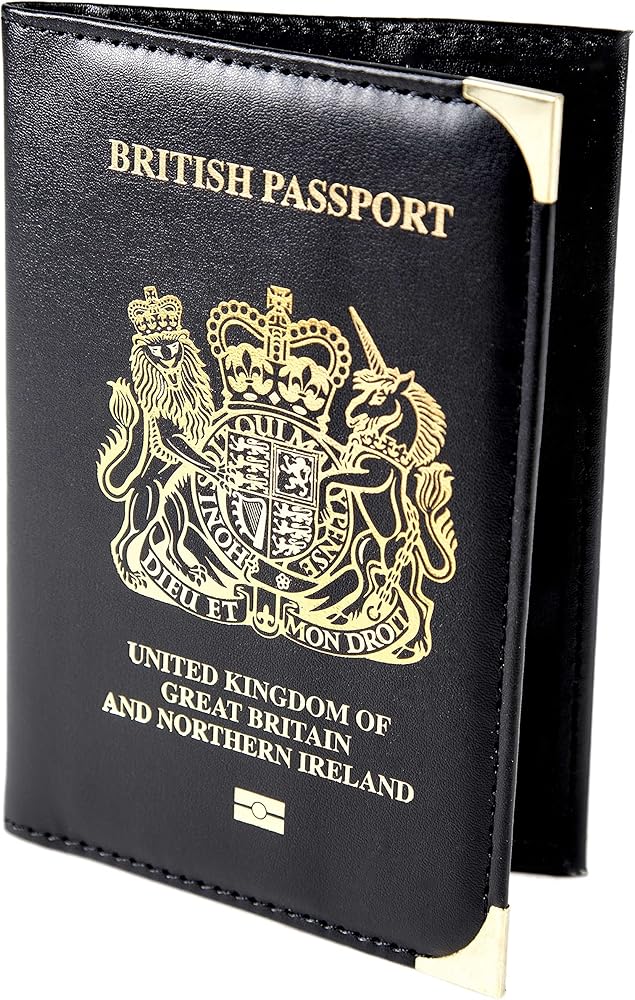
Under the new regulations, dual citizens will no longer be able to enter the UK using only a foreign passport. Travellers must now present a valid British passport, a valid Irish passport, or a foreign passport containing a Certificate of Entitlement to prove their right of abode in the UK.
The changes come as part of the UK’s broader rollout of the Electronic Travel Authorisation (ETA) system, which aims to make travel to the country more secure and streamlined. Officials say the system will reduce confusion at airports and ensure that all travellers meet entry requirements before boarding.
Experts warn that airlines may deny boarding to dual citizens who cannot demonstrate their British or Irish nationality at check-in. This could cause delays and travel disruptions for affected passengers if they do not prepare ahead of time.
Home Office representatives have advised travellers to check their documents well in advance and apply for any necessary Certificates of Entitlement if they plan to use a foreign passport for UK entry.
While the UK still recognises dual citizenship, these rules aim to ensure that citizenship is clearly documented. This move is part of the government’s ongoing efforts to modernise immigration processes and adapt to the digital age.
Some travellers have expressed concern over the new rules, citing the potential administrative burden. However, immigration experts say that the changes are necessary for national security and to align travel procedures with international standards.
The new rules also have implications for work and residency. Dual citizens who hold passports from countries outside the UK or EU may need to update their travel plans and ensure they meet any visa or residency requirements in addition to the new passport documentation rules.
Analysts believe these updates may affect thousands of travellers, particularly those who frequently move between countries for business, education, or family reasons. Airlines and travel agencies have started informing passengers to avoid last-minute issues.
In summary, the updated UK dual citizenship passport rules for 2026 are a significant development for travellers holding multiple nationalities. By requiring clear proof of citizenship at entry, the UK government aims to strengthen border security and improve the efficiency of its immigration system.
Travellers are encouraged to review the new requirements carefully and secure the correct documentation ahead of time to ensure smooth travel to and from the United Kingdom.
What Travellers Need to Do Before 2026
- Check Your Passport – Ensure your British, Irish, or foreign passport is valid for at least six months before travel.
- Apply for a Certificate of Entitlement – If using a foreign passport, apply early to avoid delays at the border.
- Confirm Visa Requirements – Dual citizens holding non-UK/EU passports may still require visas depending on their destination.
- Update Airline Information – Airlines will now require proof of British or Irish nationality before allowing check-in.
Implications for Work and Residency
Dual citizenship holders who frequently travel for work or education must plan ahead. The new rules may affect:
Remote workers entering the UK for short-term assignments
Students returning to study in the UK
Business travellers attending conferences or corporate meetings
Immigration lawyers recommend keeping digital and physical copies of all travel documents to avoid potential issues.
Government and Expert Insights
Officials from the UK Home Office said the updated rules are “a necessary step to protect UK borders while making travel more predictable for citizens.”
Travel and immigration experts highlighted that the changes are also aligned with international standards for dual nationality documentation, helping reduce fraud and streamline entry procedures.
Reactions from the Public
Some dual citizens have expressed frustration, noting the added administrative requirements. However, many understand the importance of clarity in citizenship documentation, especially for families with children born abroad or frequent travellers.
Airlines have begun sending reminders to passengers, and travel agencies are advising clients to prepare early to prevent delays.
How This Compares to Other Countries
Several countries already require dual citizens to use their national passport when entering their territory. For example:
Canada requires Canadian citizens with dual nationality to use a Canadian passport for entry.
Australia enforces the same for its citizens, particularly when boarding international flights.
The UK’s new rules bring it in line with these global practices, reducing confusion for border control and travellers alike.
FAQs About the 2026 Passport Changes
Q: Can I still hold dual citizenship?
Yes, dual citizenship remains legal. The rules only clarify how citizenship must be documented at entry.
Q: What if I forget my British or Irish passport?
Airlines may deny boarding. Travellers must ensure they have the correct documentation to avoid travel disruptions.
Q: When does this take effect?
February 25, 2026. Early preparation is highly recommended.
Conclusion
The UK dual citizenship passport rules for 2026 mark an important step in modernizing border control. Travelers holding multiple nationalities are encouraged to carefully review the requirements and secure the correct documentation. By planning ahead, they can avoid delays and ensure a smooth travel experience.
About the Author


