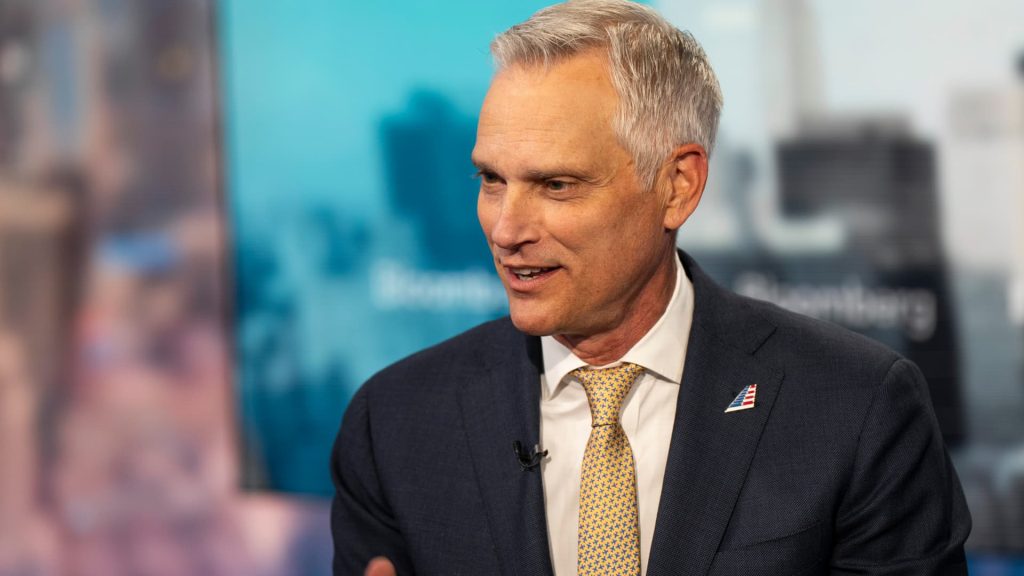
American Airlines CEO Agrees to Meet Pilots Union After Mounting Criticism
American Airlines is facing one of its most sensitive internal moments in recent years as its Chief Executive Officer agrees to sit down with the pilots’ union following intense criticism over leadership, operations, and the airline’s overall direction. The decision to hold this meeting did not come casually. It is the result of weeks of rising frustration within the cockpit and growing pressure that management could no longer ignore.
At the heart of this situation is a widening gap between airline leadership and the pilots who operate its aircraft daily. While passengers mostly see delayed flights, cancellations, or service changes, pilots experience something deeper: planning failures, communication breakdowns, and decisions they believe are disconnected from operational reality.
This meeting now represents more than dialogue. It has become a test of trust, accountability, and the future stability of one of America’s largest airlines.
Growing Discontent Inside the Cockpit
For months, dissatisfaction has been building among American Airlines pilots. What began as quiet concerns gradually evolved into open criticism directed at senior management. Pilots argue that repeated operational disruptions are not simply the result of weather or external pressure, but signs of deeper leadership and planning problems.
According to the pilots’ union, crews are often placed in difficult positions during irregular operations. They cite inadequate contingency planning, last-minute schedule changes, and limited communication during crises. These challenges, pilots say, directly affect safety margins, morale, and the airline’s public reputation.
Many pilots believe these problems have persisted for too long without meaningful correction. This perception has fueled anger and disappointment, particularly as rival airlines appear to handle similar challenges with greater consistency and clarity.
Operational Challenges That Sparked the Crisis
A major trigger for the latest wave of criticism was the airline’s handling of widespread disruptions earlier this year. Severe weather exposed vulnerabilities in crew scheduling, recovery planning, and internal coordination. Flights were cancelled in large numbers, aircraft were out of position, and crews struggled to get clear instructions.
Pilots argue that while weather can not be controlled, preparedness can. They claim the airline lacked adequate systems and leadership oversight to manage the situation effectively. For many within the union, this incident confirmed long -standing fears that the airline’s operational foundation is weaker than management admits.
These disruptions did not just inconvenience passengers. They placed additional stress on pilots, who were expected to adapt quickly in chaotic conditions while maintaining safety and professionalism.
Strategic Concerns Beyond Day-to-Day Operations
The criticism aimed at leadership goes beyond operational missteps. Pilots have raised serious concerns about the airline’s long-term strategy and competitive position.
Many believe American Airlines lacks a clear identity compared to its major competitors. While other carriers have invested heavily in operational reliability, premium services, and network efficiency, pilots feel American has struggled to define a consistent vision. This uncertainty, they argue, affects everything from fleet planning to staffing decisions.
Financial performance has also been a point of concern. Despite strong demand for air travel, American Airlines has lagged behind rivals in profitability. Pilots worry that weak financial outcomes could eventually affect job security, investment in aircraft, and the airline’s ability to withstand future downturns.
From their perspective, leadership decisions today will determine whether the airline thrives or falls behind in an increasingly competitive industry.
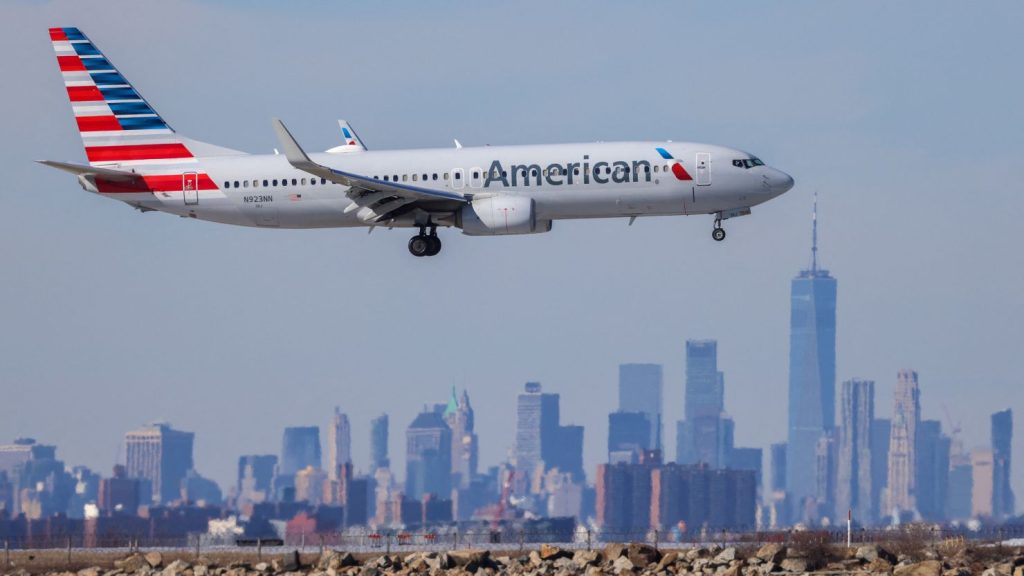
Union Escalation and Call for Accountability
As frustration intensified, the pilots’ union took the unusual step of directly pressing for top-level engagement. Rather than limiting discussions to operational managers, union leaders called for accountability at the executive level.
This move sent a strong message: the issues facing American Airlines are not isolated problems that can be fixed with minor adjustments. They are systemic challenges requiring leadership attention and strategic reassessment.
While the union stopped short of formally declaring no confidence in the CEO, the tone of their communication made clear that patience was wearing thin. Pilots wanted to know whether leadership truly understood the depth of their concerns or was simply managing optics.
The demand for a direct meeting placed pressure on the CEO and the board to respond decisively.
CEO Agrees to Meet Pilots Union
In response to mounting criticism, American Airlines’ CEO agreed to meet with pilots’ union leaders. The decision signals recognition that tensions have reached a level that can not be addressed through written statements or middle management discussions alone.
By agreeing to this meeting, leadership has acknowledged the importance of hearing directly from the pilots who operate the airline daily. It also reflects an understanding that morale and trust are critical assets in aviation, where safety and reliability depend heavily on workforce engagement.
The meeting is expected to cover a wide range of topics, including operational planning, communication during disruptions, attendance policies, and the airline’s long-term strategy.
While the agreement to meet is an important step, it is only the beginning. Pilots are watching closely to see whether the conversation leads to concrete actions or simply serves as a symbolic gesture.
Why This Meeting Matters
This meeting carries significant implications for multiple stakeholders.
For pilots, it represents an opportunity to voice concerns directly and push for meaningful changes. Many see it as a chance to reset the relationship with leadership and rebuild trust that has eroded over time.
For management, the meeting is a moment to demonstrate leadership, accountability, and willingness to listen. How executives respond could shape internal culture and determine whether tensions ease or intensify.
For passengers, the outcome could influence the quality and reliability of future travel. Improved operational planning and communication often translate into fewer disruptions and better customer experiences.
For investors, the situation highlights the link between labour relations and financial performance. Prolonged internal conflict can undermine confidence and raise questions about the airline’s ability to execute its strategy effectively.
Broader Implications for the Airline Industry
The situation at American Airlines reflects broader challenges across the global aviation sector. Airlines are operating in a complex environment marked by high demand, tight labour markets, rising costs, and increased scrutiny of operational reliability.
Pilots worldwide have become more vocal about working conditions, scheduling practices, and leadership decisions. As critical safety professionals, their perspectives carry significant weight.
How American Airlines navigates this moment may serve as a reference point for other carriers facing similar pressures. Constructive engagement could strengthen labour relations, while failure to address concerns could deepen divisions.
What Happens Next
The upcoming meeting between the CEO and the pilots’ union will be closely watched. Pilots are expected to seek clear commitments rather than vague assurances. They want transparency, accountability, and a roadmap for improvement.
Possible outcomes include changes to operational planning processes, adjustments to communication protocols, and renewed focus on long-term strategy. Even small improvements could signal goodwill, but lasting progress will require sustained effort.
If the meeting leads to tangible actions, it could mark a turning point for American Airlines. If not, tensions may resurface, potentially escalating into further public criticism or labour disputes.
Conclusion
The decision by American Airlines’ CEO to meet with the pilots’ union after heavy criticism marks a critical moment for the airline. It underscores the seriousness of internal concerns and the importance of leadership engagement during times of strain.
This is not just a labor issue. It is a test of how the airline listens, adapts, and leads in an industry where trust and coordination are essential. The outcome of this dialogue may shape American Airlines’ operational stability, workforce morale, and competitive future.
For now, all eyes remain on what comes next and whether words at the meeting table will translate into real change in the skies.
About the Author


