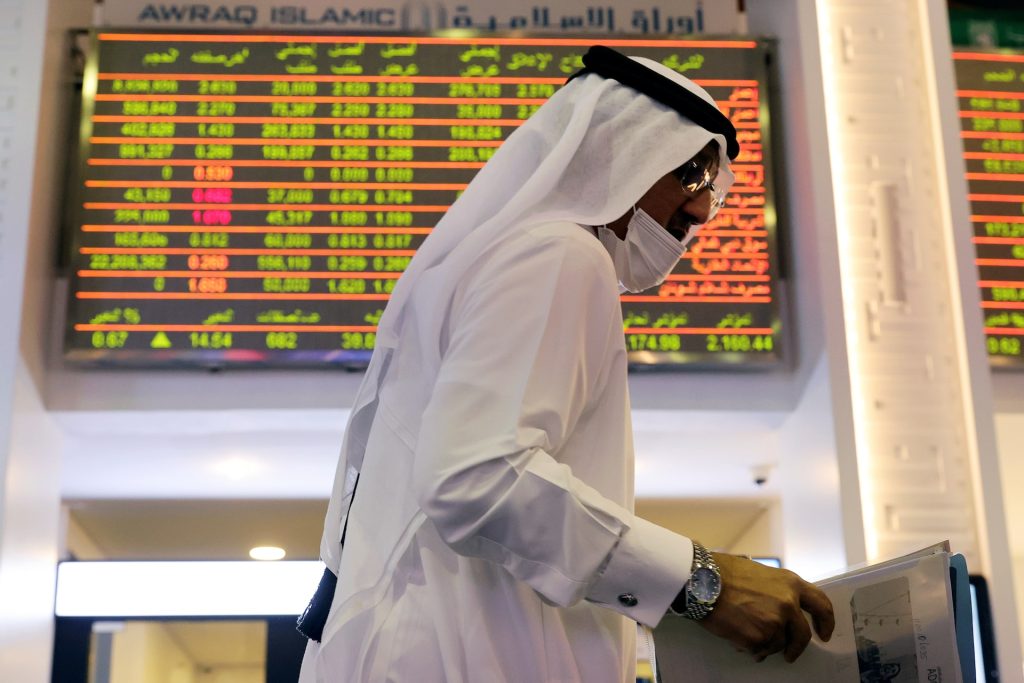
Gulf stock markets moved lower as oil prices weakened, highlighting once again how deeply energy prices influence the region’s financial performance. For economies across the Gulf Cooperation Council (GCC), oil is not just a commodity, it is a major revenue source that supports government spending, corporate earnings, investor confidence, and overall economic stability.When oil prices fall, investors often reassess their expectations for future growth. Lower crude prices can reduce government revenues, potentially slowing public spending on infrastructure projects, social programs, and economic diversification plans. This expectation alone is enough to trigger caution in the markets, leading to sell-offs or reduced buying activity across key sectors such as banking, construction, and energy-related stocks.
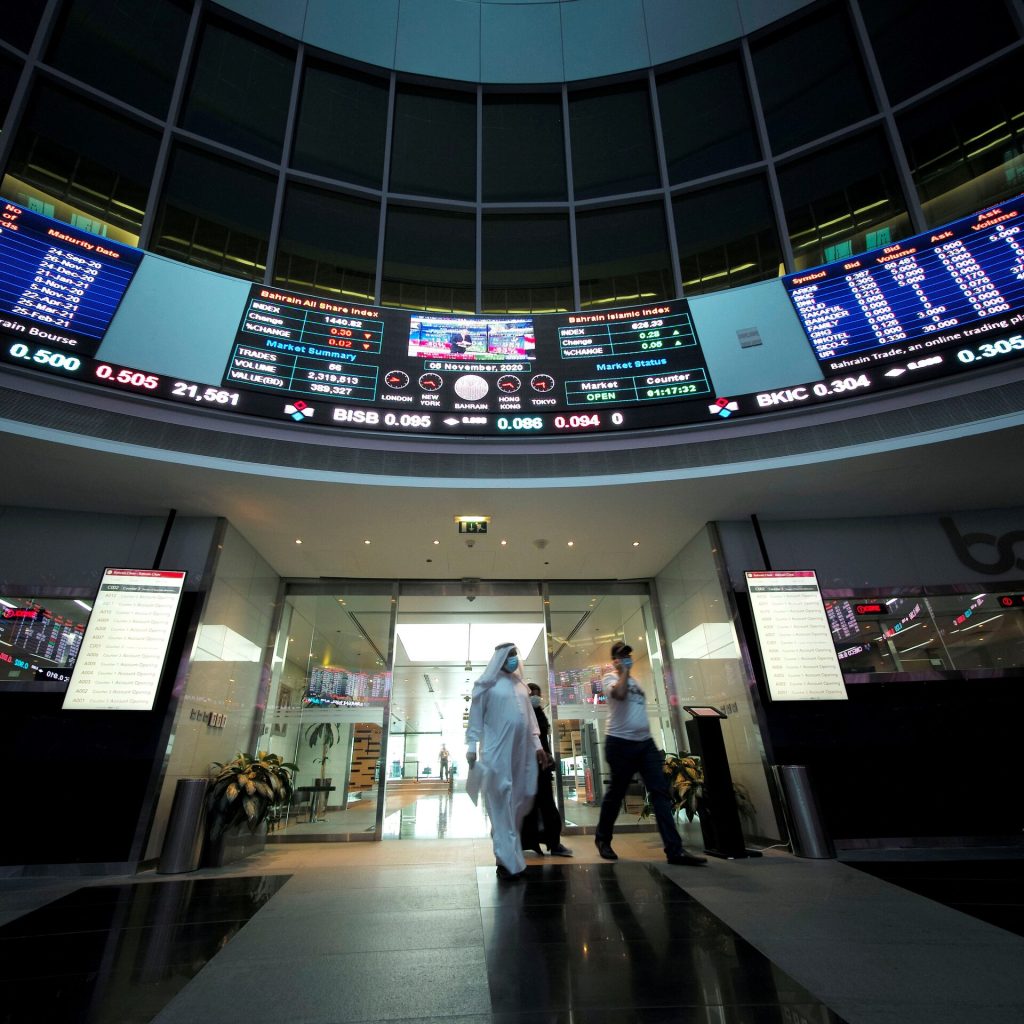
When oil prices fall, investors often reassess their expectations for future growth. Lower crude prices can reduce government revenues, potentially slowing public spending on infrastructure projects, social programs, and economic diversification plans. This expectation alone is enough to trigger caution in the markets, leading to sell-offs or reduced buying activity across key sectors such as banking, construction, and energy-related stocks.In recent trading sessions, major Gulf indices reflected this pressure. Energy stocks were among the hardest hit, as weaker oil prices directly affect their profit outlook. Banking shares also came under pressure, since government spending and oil-sector activity strongly influence credit growth and liquidity in the region. Even non-oil sectors felt the impact, as overall market sentiment turned more defensive.Another factor behind the retreat is foreign investor behavior. International investors closely monitor oil price trends when allocating capital to Gulf markets. A sustained drop in crude prices can lead to reduced foreign inflows, currency concerns, and short-term portfolio adjustments, all of which add to market volatility.
When oil prices fall, investors often reassess their expectations for future growth. Lower crude prices can reduce government revenues, potentially slowing public spending on infrastructure projects, social programs, and economic diversification plans.
This expectation alone is enough to trigger caution in the markets, leading to sell-offs or reduced buying activity across key sectors such as banking, construction, and energy-related stocks.
In recent trading sessions, major Gulf indices reflected this pressure. Energy stocks were among the hardest hit, as weaker oil prices directly affect their profit outlook. Banking shares also came under pressure, since government spending and oil-sector activity strongly influence credit growth and liquidity in the region. Even non-oil sectors felt the impact, as overall market sentiment turned more defensive.
Another factor behind the retreat is foreign investor behavior. International investors closely monitor oil price trends when allocating capital to Gulf markets. A sustained drop in crude prices can lead to reduced foreign inflows, currency concerns, and short-term portfolio adjustments, all of which add to market volatility.
About the Author


