Venezuela
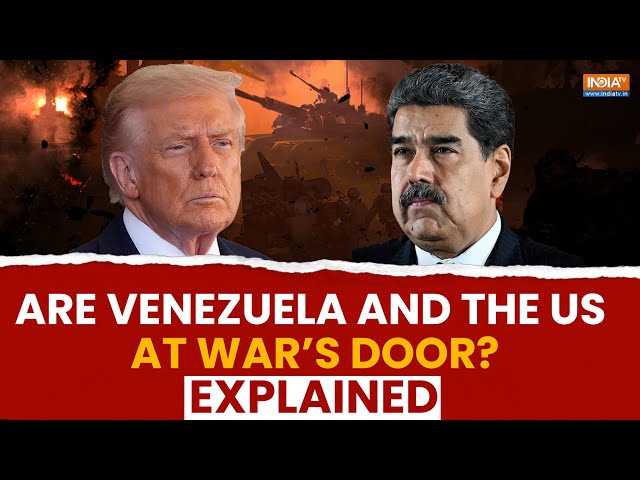
Venezuela is once again at the center of global attention as tensions between the South American nation and the United States continue to rise, driven by politics, oil, sanctions, and deep internal struggles. What is happening today is not a sudden crisis, but the result of years of unresolved conflict that keeps pulling Venezuela back into the international spotlight.
At home, Venezuela remains trapped in a prolonged economic and political crisis. Despite having one of the world’s largest proven oil reserves, the country’s economy has struggled for years due to mismanagement, declining oil production, corruption allegations, and international sanctions. Inflation, although lower than its peak years, continues to affect daily life. Many citizens still face difficulty accessing stable income, basic services, healthcare, and consistent electricity and fuel supplies.
Politically, President Nicolás Maduro remains in power, but his leadership is still disputed both domestically and internationally. Opposition groups argue that elections in recent years have not been fully free or fair, while the government insists it is the legitimate authority. This political divide has kept the country unstable, with periodic protests, arrests of opposition figures, and growing frustration among ordinary citizens who want economic relief rather than political confrontation.
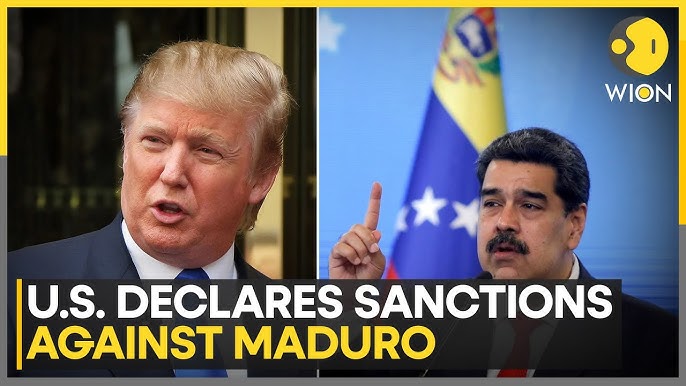
The relationship between Venezuela and the United States lies at the heart of the crisis. Washington does not recognize Maduro as a legitimate president and has accused his government of corruption, human rights abuses, and undermining democracy. In response, the United States has imposed heavy sanctions targeting Venezuela’s oil industry, financial system, and senior officials. These sanctions are meant to pressure the government, but critics argue they also worsen hardship for civilians.
Venezuela, on the other hand, accuses the United States of economic warfare and interference in its internal affairs. The Maduro government claims sanctions are the main reason for the country’s economic collapse and says the U.S. is trying to control Venezuela’s oil resources. This blame game has hardened positions on both sides, making diplomatic progress difficult.
Recently, tensions have increased again due to renewed political pressure, election disputes, and concerns over regional stability. The U.S. has signaled that sanctions relief depends on democratic reforms, transparent elections, and respect for opposition participation. Venezuela’s government insists it will not bow to foreign pressure, framing the conflict as a fight for national sovereignty.
Oil remains a major factor in the relationship. As global energy markets fluctuate, Venezuela’s oil reserves make it strategically important. At times, the U.S. has slightly eased restrictions to allow limited oil exports, especially when global supply is tight. However, these openings are often temporary and tied to political conditions, meaning uncertainty continues to surround Venezuela’s economic future.
Internationally, Venezuela has strengthened ties with countries like Russia, China, and Iran, seeking economic and diplomatic support to counter U.S. influence. This has added a geopolitical layer to the crisis, turning Venezuela into a symbol of broader global power competition.
For ordinary Venezuelans, the situation remains difficult. Millions have left the country over the past decade in search of better opportunities, creating one of the largest migration crises in the world. Those who remain hope for stability, economic recovery, and an end to endless political battles that seem far removed from daily survival.
As it stands, Venezuela’s standoff with the United States shows no clear resolution. Sanctions, political pressure, and mutual distrust continue to shape events, while the population waits for real change. Whether through dialogue, reforms, or shifting global priorities, Venezuela’s future will depend on decisions made both inside the country and far beyond its borders.
For now, the crisis remains a powerful reminder of how politics, power, and resources can shape the fate of a nation and the lives of its people.
About the Author


