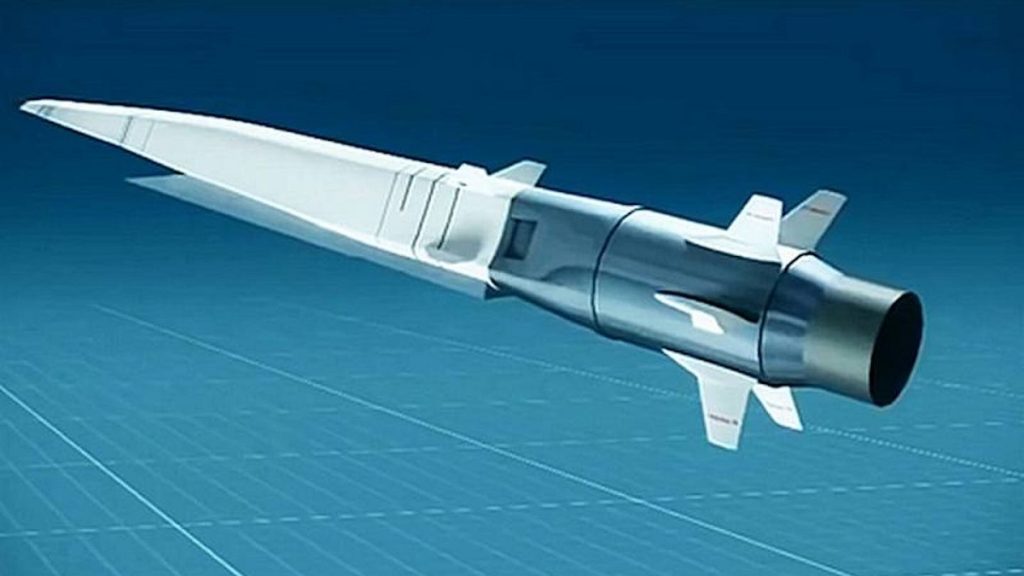
Russia Deploys Hypersonic Missile in Ukraine. Sending Stark Warning to Europe
The war in Ukraine has entered a new and far more dangerous phase. This week, Ukrainian President Volodymyr Zelenskyy confirmed that Russia used a new hypersonic missile in a major strike. This move is widely interpreted not just as a battlefield action but as a strategic message to Europe, NATO, and the wider international community.
According to Ukrainian and Western assessments, the missile strike targeted areas in western Ukraine, dangerously close to European Union and NATO borders. While Russia has launched missiles throughout the war, this particular weapon stands out. Not because of the damage alone, but because of what it represents geopolitically.
At InfoJet, we break down what happened, why it matters, and what this escalation means for the world.
What Exactly Happened
Russia reportedly fired its new generation hypersonic missile, believed to be part of the Oreshnik or a similar advanced weapons program, during a coordinated overnight attack that included drones and other missiles. Ukrainian air defences intercepted several projectiles, but authorities confirmed that at least one hypersonic missile was used.
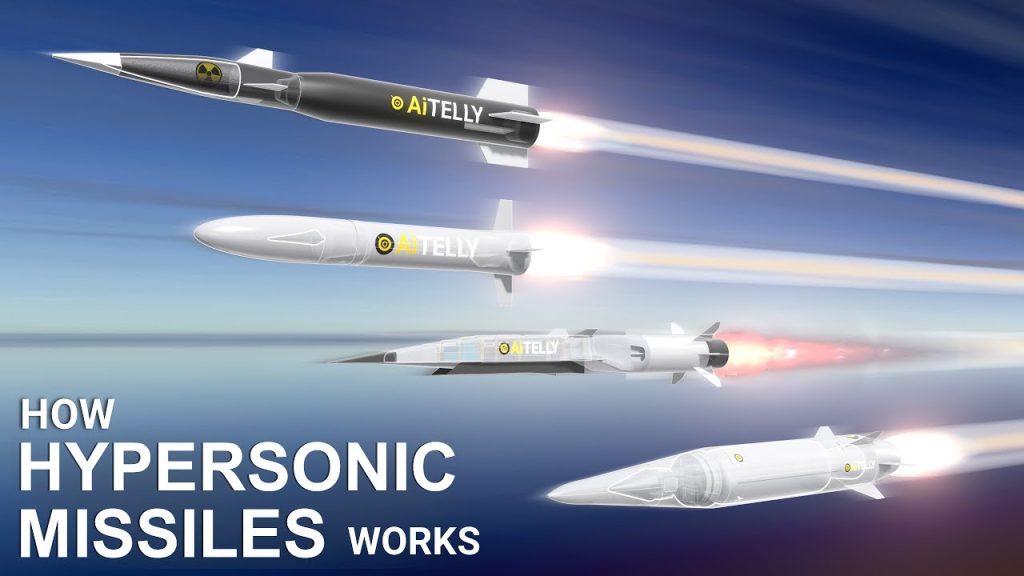
Hypersonic missiles are different from conventional missiles. They travel at extreme speeds, often above Mach 5, can manoeuvre mid flight, and are very difficult to detect or intercept using current air defence systems.
This was not a random choice of weapon. Military analysts agree that Russia deliberately used this missile to demonstrate capability, not just to strike targets.
Why Hypersonic Missiles Are a Big Deal
Hypersonic weapons are among the most feared modern military technologies. Unlike traditional ballistic missiles, they travel faster and behave differently in flight. They move at ultra high speeds, can change direction mid-air, reduce reaction time for defenses to seconds, and are capable of carrying conventional or nuclear warheads.
This makes them not just weapons of war but tools of intimidation and strategic signalling.
By deploying such a missile in Ukraine, especially near Europe, Russia is effectively sending a message that current Western defences struggle to stop these weapons.
Zelenskyy’s Message to the World
President Zelenskyy did not mince words. He described the attack as a deliberate warning to Europe, emphasizing that the war is no longer a distant Eastern European conflict but one with direct implications for European security.
Ukraine’s leadership argues that if Russia is willing to use such weapons now, it could embolden further escalation if left unchecked.
For Kyiv, this reinforces its long-standing demand for stronger air defence systems, faster military aid, and clearer security commitments from Western allies.
Russia’s Strategic Intent
From Moscow’s perspective, this strike serves multiple purposes.
First is psychological pressure. Russia aims to intimidate not only Ukraine but also its Western supporters by showcasing advanced military strength.
Second is deterrence messaging. The Kremlin wants NATO countries to think twice before increasing military involvement or expanding support.
Third is domestic signalling. Using high profile weapons also reassures Russian citizens and elites that the military still holds powerful cards.
In short, this was less about territory gained and more about power projection.
What This Means for Europe
Europe is watching closely and nervously.
The use of a hypersonic missile so close to NATO borders raises serious questions. How prepared is Europe for advanced missile threats. Could miscalculation drag NATO into direct conflict. Are current defence systems sufficient.
European leaders have condemned the strike as dangerously escalatory, warning that such actions increase the risk of broader regional instability.
At InfoJet, we note that Europe now faces a security reality it can no longer ignore. Defence budgets, missile shields, and diplomatic unity will likely become even more urgent topics in EU capitals.
Global Implications Beyond Europe
This event goes far beyond Ukraine and Europe.
For the international community, Russia’s move sends several signals. Military norms are shifting. Advanced weapons once reserved for deterrence are now being used in active conflict. Arms races may accelerate as other global powers expand their own hypersonic programs. Diplomatic risks increase as the margin for error in global security calculations shrinks.
Countries in Asia, the Middle East, and Africa are also paying attention, understanding that today’s actions could shape tomorrow’s global power balance.
The Nuclear Shadow
While there is no evidence the missile carried a nuclear warhead, hypersonic missiles are often designed to be dual capable. This creates uncertainty.
When such a weapon is launched, adversaries may not immediately know whether it is conventional or nuclear. This ambiguity raises the risk of misinterpretation and rapid escalation.
This is why experts describe hypersonic weapons as destabilizing, even when used without nuclear payloads.
What Happens Next
Several outcomes are now possible. Increased Western military aid to Ukraine. Stronger NATO defence posture along Eastern borders. More diplomatic pressure and sanctions on Russia. Potential further Russian demonstrations of advanced weaponry.
What is clear is that the conflict has crossed another psychological and strategic threshold.
InfoJet Final Take
At InfoJet, we see this moment as a global warning, not just a regional headline.
Russia’s use of a hypersonic missile in Ukraine is a calculated message to the world. The rules of modern warfare are changing, and advanced weapons are no longer theoretical threats. They are active tools of pressure.
For Europe, this is a wake-up call.
For global powers, it is a reminder of how fragile international stability has become.
For the world, it underscores why the Ukraine war matters far beyond its borders.
The coming weeks will show whether diplomacy can regain ground or whether the world edges closer to a more dangerous era of confrontation.
Stay informed. Stay ahead.
Follow global power shifts with InfoJet.
Reporter: Onyeka Evans
About the Author


