Poland Prolongs Border Controls on German and Lithuanian Borders Through April 2026
In a decisive move aimed at strengthening national security and managing cross-border movements, Poland has officially extended temporary border checks on its borders with Germany and Lithuania until April 4, 2026.
This development reflects the country’s continued commitment to ensuring safe and regulated movement across its frontiers while balancing regional cooperation within the European Union (EU). The extension comes amid growing security, migration, and geopolitical considerations in Central and Eastern Europe, marking a notable period in Poland’s border policy.
The temporary checks, which were first implemented to monitor and control cross-border activity, were initially designed to address concerns related to irregular migration, organized crime, and potential security threats. While Poland shares long-standing and economically significant borders with Germany and Lithuania, the nation’s strategic location makes it an important corridor for trade, transport, and international cooperation. By extending these controls, Poland emphasizes the importance of maintaining a robust security framework without undermining the facilitation of legitimate movement of people and goods.
Poland’s Ministry of Interior highlighted that the extension of border checks is part of a broader strategy to strengthen the country’s preparedness and adaptability in a rapidly changing European security environment.
Officials cited the need for continued monitoring of the movement of goods and individuals, particularly given the heightened risks posed by illegal migration networks, smuggling operations, and the unpredictable nature of regional geopolitical dynamics. The Ministry also noted that these measures are temporary, fully compliant with EU law, and aim to provide a flexible mechanism to respond to evolving circumstances along Poland’s borders.
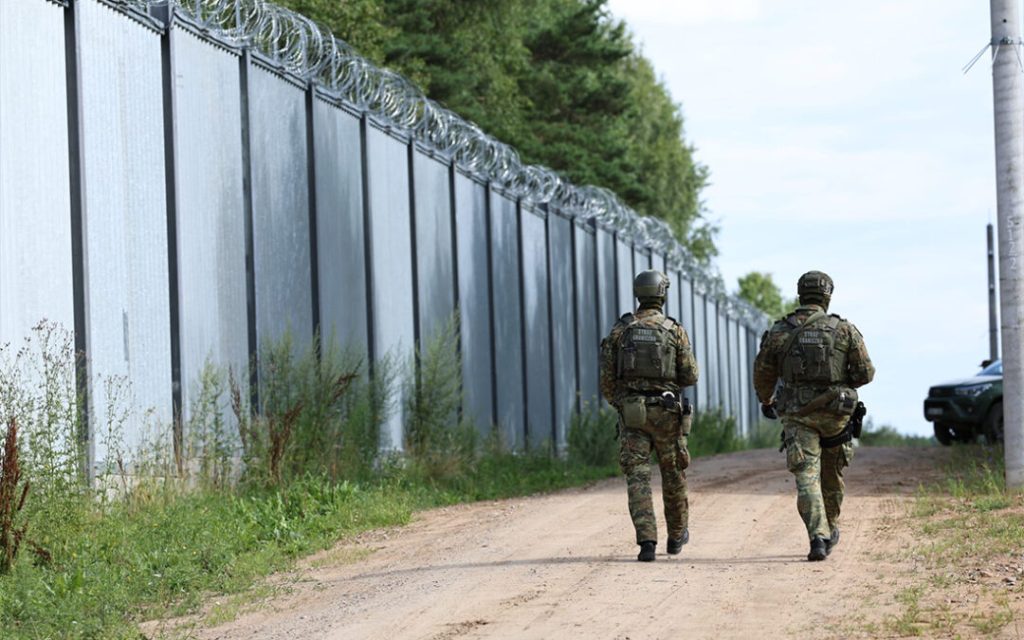
Analysts suggest that Poland’s decision to prolong border controls is influenced by several factors. Firstly, the European migration landscape remains complex, with pressures from multiple regions contributing to irregular movement toward Central and Western Europe. While Germany has traditionally been a primary destination for migrants and asylum seekers, Poland has increasingly become a transit country, necessitating enhanced border management to ensure orderly processing and security checks. The extension of controls thus provides authorities with the necessary tools to regulate traffic effectively while preventing potential security incidents.
Secondly, geopolitical tensions in neighboring regions, including conflicts and economic instability, continue to impact border security considerations. Lithuania, which shares both a land border and strong political ties with Poland, has been working closely with Warsaw to ensure coordinated approaches to cross-border management. By prolonging these checks, Poland not only safeguards its own national interests but also reinforces regional cooperation aimed at mitigating risks associated with transnational crime, illegal migration, and smuggling.
Economically, the decision also underscores Poland’s commitment to maintaining secure and predictable trade routes. Both Germany and Lithuania are vital trade partners, and the movement of goods across these borders represents a significant component of Poland’s economic activities. Authorities have stressed that while the checks may involve enhanced scrutiny at border crossings, they are designed to minimize disruption to legitimate commercial traffic. Enhanced monitoring systems, streamlined customs procedures, and technological innovations are being implemented to ensure that trade continues efficiently alongside the reinforced security measures.
From a European Union perspective, Poland’s temporary border controls are consistent with legal frameworks that allow member states to implement short-term measures under exceptional circumstances. EU regulations permit the imposition of temporary border checks in response to security threats, serious public policy considerations, or significant migration pressures. In this context, Poland has coordinated with EU institutions to ensure compliance, transparency, and minimal disruption to intra-EU mobility. Observers note that such measures, while temporary, highlight the challenges that EU member states face in balancing open borders with security imperatives.
The extension of border checks also has social implications, particularly for communities residing near border areas. Authorities are working to maintain clear communication channels, providing guidance on entry and exit procedures, travel advisories, and support mechanisms for residents and businesses affected by the enhanced security measures. Public awareness campaigns, coordination with local governments, and engagement with cross-border trade associations are central components of Poland’s approach, reflecting a commitment to ensuring that these measures are both effective and community-conscious.
Security experts have lauded Poland’s proactive stance, emphasizing that in an era characterized by complex threats, from cybercrime to transnational smuggling networks, temporary border checks provide a practical tool for safeguarding national interests. By employing modern surveillance technologies, data-driven risk assessments, and collaboration with law enforcement agencies across Germany and Lithuania, Poland is creating a multi-layered security apparatus capable of responding to emerging challenges efficiently.
However, the decision is not without critics. Some European analysts argue that prolonged border checks may signal a shift away from the EU’s principles of free movement, potentially creating friction among member states. Concerns have been raised about the impact on tourism, cross-border labor mobility, and trade efficiency. In response, Polish authorities have emphasized that the measures are strictly temporary, based on risk assessments, and designed to address specific security and migration concerns rather than undermine EU integration principles.
The broader geopolitical context cannot be overlooked. Central and Eastern Europe have been navigating a complex security landscape, with fluctuating migration patterns, regional political dynamics, and security concerns shaping national policies. Poland’s decision reflects a cautious approach that prioritizes national security while maintaining alignment with EU norms. Experts suggest that such measures are likely to continue evolving, with periodic assessments determining the necessity and duration of border controls based on current conditions.
In terms of operational implementation, the temporary checks involve systematic screening of travelers, verification of documentation, inspection of vehicles and cargo, and enhanced collaboration between border security personnel. Both technology and human resources play a critical role in ensuring that the controls are efficient, effective, and minimally disruptive. By employing advanced scanning equipment, automated risk profiling, and intelligence-sharing mechanisms, Poland seeks to maintain the balance between security and the free flow of legitimate movement.
The impact of these measures extends to the international community as well. For businesses engaged in cross-border trade, logistics companies, and transport operators, the extended checks may require adjustments to schedules, compliance procedures, and operational planning. Authorities have committed to working closely with industry stakeholders to minimize disruptions, ensuring that economic activity continues smoothly despite the heightened security environment.
From a humanitarian perspective, Poland has also underscored the importance of treating migrants and asylum seekers in accordance with international standards. While border checks are reinforced, authorities have reiterated their commitment to protecting human rights, ensuring proper access to asylum procedures, and providing necessary support for vulnerable populations. This dual approach strengthening security while safeguarding human rights is central to Poland’s strategy and serves as a model for balancing competing priorities in border management.
Looking ahead, analysts anticipate that Poland’s approach may influence broader EU discussions on border management and security. Temporary measures, such as these, highlight the need for flexible yet robust mechanisms to address evolving threats, irregular migration, and regional security challenges. Collaboration between member states, investment in modern border infrastructure, and adherence to international legal frameworks will likely continue to shape policy decisions across the continent.
In conclusion, Poland’s extension of temporary border checks with Germany and Lithuania until April 4, 2026, represents a careful and considered response to a complex set of challenges. By prioritizing security, maintaining compliance with EU norms, and balancing economic and social considerations, Poland is demonstrating its ability to navigate the intricacies of modern border management effectively. The measures reflect a strategic commitment to protecting national interests, fostering regional cooperation, and ensuring the safe and orderly movement of people and goods.
For InfoJet readers, this development is significant not only for understanding Poland’s national policies but also for appreciating the broader dynamics of European security, migration, and trade. As Poland continues to monitor and adjust its border measures, stakeholders including governments, businesses, and communities—will need to remain informed and adaptable, navigating both the opportunities and challenges presented by evolving border policies in Central and Eastern Europe.
At InfoJet, we remain committed to delivering comprehensive insights into global developments, helping our readers stay informed about key political, economic, and security trends shaping the world today. Poland’s extension of border controls is a reminder that in an interconnected and dynamic world, nations must continuously evaluate and adapt their policies to safeguard security, prosperity, and stability.
Reporter: Onyeka Evans
About the Author


