China Reports Slower Economic Growth Amid Ongoing Property Sector Struggles
China’s economy continues to grow, but signs of slowing momentum are becoming increasingly clear. Analysts and officials alike point to structural challenges and a persistent downturn in the property sector as key factors weighing on growth.
Official figures show that China’s economy expanded by five percent last year. While this meets the government’s target, it represents one of the slowest rates of growth in decades, highlighting the pressures facing the country’s economic engine.
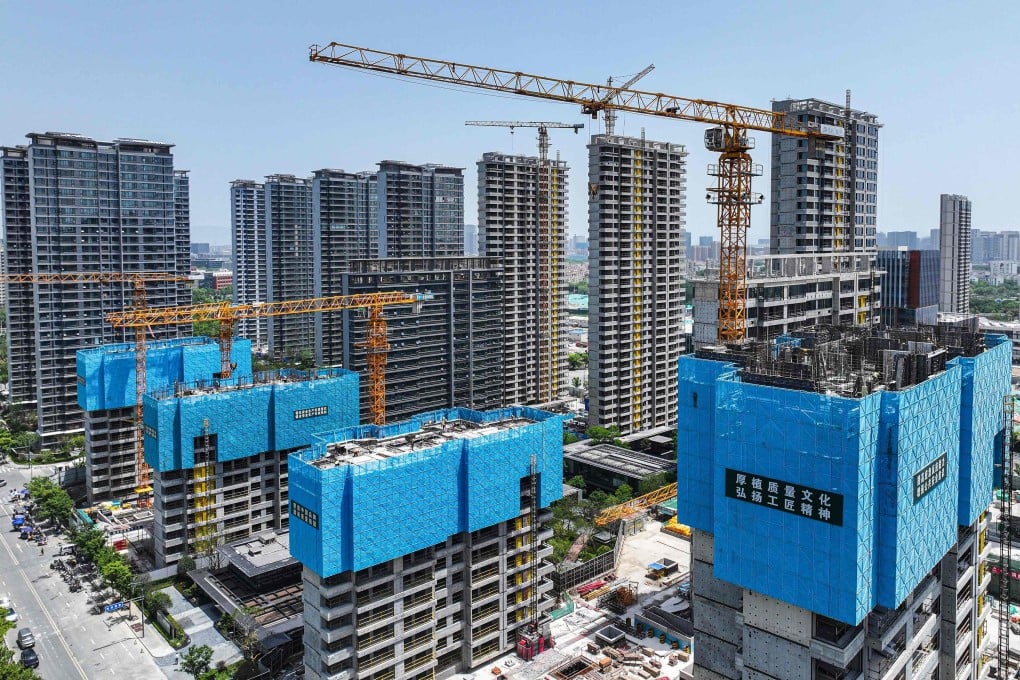
The slowdown is most apparent in the property sector, which has long been a driver of investment and construction activity. New home prices have declined in many cities, and property investment has fallen sharply, reducing the contribution of construction to overall growth.
Weakness in the housing market has broader implications for the economy. Industries connected to construction, including steel, cement, and building materials, have experienced declining demand. Local government revenues, which often rely on land sales, are also affected, limiting public investment capacity.
Despite these challenges, China’s export sector remains resilient. Demand for Chinese goods in markets outside the United States has grown, helping offset some of the domestic slowdown. Strong exports have provided stability and contributed to overall growth even as internal demand struggles to recover.
Domestic consumption has been slow to rebound. Retail sales growth remains muted, and household confidence has not returned to pre-pandemic levels. Many consumers continue to save rather than spend, reflecting cautious sentiment in the face of economic uncertainty.
Investment in other sectors has also slowed. Corporate spending and fixed asset investment have shown restraint, reflecting both caution among businesses and the effects of weaker property market activity. This slowdown contributes to the overall moderation in economic growth.
The government has implemented measures to support the economy and stabilize the housing market. Policies include interest rate adjustments, incentives for homebuyers, and support for construction projects. However, recovery has been uneven, and structural issues in the property sector continue to weigh heavily.
Analysts note that addressing these challenges will require careful policy coordination. Balancing support for struggling sectors with financial discipline and long-term growth goals is critical. Authorities are expected to continue deploying targeted measures while avoiding overreliance on debt-driven stimulus.
China’s economic rebalancing efforts are also underway. Policymakers aim to shift growth drivers from investment and exports toward consumption and services. This transition is essential for sustaining long-term stability, though it is complicated by demographic changes and uneven regional development.
Technology and innovation are key components of this strategy. Investment in high-tech industries, research and development, and industrial upgrading is expected to create new sources of growth. These sectors can offset slower performance in traditional industries and provide resilience in a changing global environment.
Employment remains a central concern. Slower growth in construction and related industries can affect urban jobs, while corporate caution may limit hiring in other sectors. Maintaining workforce stability is a priority for both the government and businesses.
Financial markets have reacted cautiously to these developments. Investors are monitoring growth trends, property market signals, and policy announcements to gauge the trajectory of China’s economy. Market responses reflect both confidence in resilience and awareness of underlying challenges.
The slowdown in domestic investment and consumption contrasts with continued strength in manufacturing and exports. This divergence highlights structural shifts in the economy, with traditional drivers facing headwinds while new sectors gradually emerge.
Policy planners have emphasized the importance of sustainability. Stimulus and support measures are designed to encourage long-term growth without creating excessive financial risk. The goal is to stabilize the economy while addressing structural weaknesses.
China’s international trade relationships remain crucial. Global demand for Chinese goods, along with strategic partnerships and supply chain positioning, continues to influence growth prospects. Maintaining export competitiveness is a top priority for policymakers.
The property sector’s struggles have highlighted vulnerabilities in the economic model. Excess inventory, cautious consumer behavior, and debt pressures among developers create ongoing risks. Addressing these issues is essential to prevent prolonged drag on the broader economy.
Consumer confidence will be key to recovery. As households regain faith in income stability and market conditions, spending is expected to increase, supporting services and retail sectors. Policymakers are aware of this dynamic and are encouraging measures that restore trust in the economy.
Structural reforms are expected to continue. Targeted adjustments in regulation, finance, and urban planning are designed to create a healthier market environment and stimulate sustainable economic activity. These reforms will be critical for achieving long-term growth goals.
China’s leadership continues to stress the importance of stability. Maintaining social and economic balance while pursuing growth is central to government strategy. Stability in employment, income, and housing markets is considered essential for overall economic health.
Analysts believe that while the slowdown is concerning, it is not catastrophic. Growth remains positive, and the economy retains the capacity to adjust and recover. The focus now is on addressing structural weaknesses and ensuring that new sources of growth can take hold.
Looking ahead, policymakers are likely to maintain a cautious but proactive approach. Investment in technology, services, and innovation will complement support for traditional sectors, creating a more diversified economic base capable of sustaining growth in the long term.
China’s economic trajectory will remain closely watched globally. As the second-largest economy, shifts in growth and market conditions have far-reaching implications for international trade, investment, and commodity markets. Observers will be particularly attentive to how property market stabilization interacts with domestic demand and policy initiatives.
The combination of domestic challenges and international opportunities makes China’s current economic phase a pivotal moment. Authorities face the task of balancing immediate support measures with the need for long-term structural improvements.
In conclusion, China’s slower economic growth reflects a period of adjustment rather than decline. The property sector continues to exert significant pressure, but targeted policies, structural reforms, and resilient exports provide grounds for cautious optimism. Recovery will depend on careful coordination, innovation, and continued attention to both domestic and global factors.
InfoJet will continue to provide timely updates and analysis on China’s economic performance, highlighting how developments in the world’s second-largest economy influence global markets and long-term growth trends.
Reporter: Dr Peter Asika
About the Author


