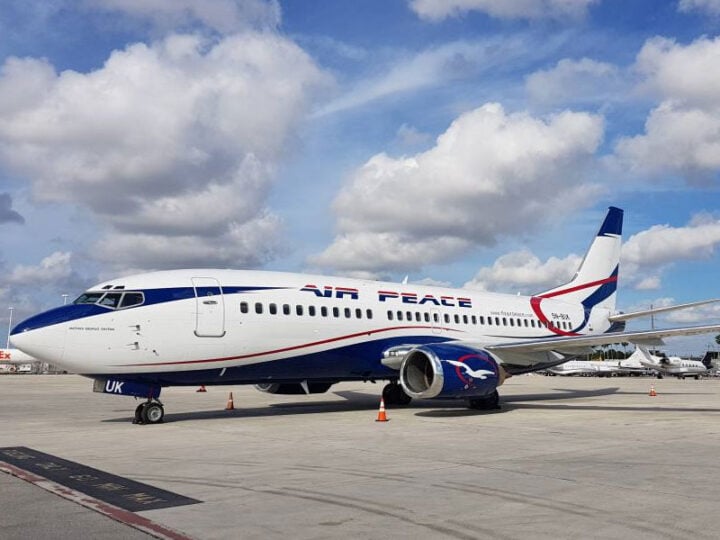
Emirates, Air Peace Seal Global Interline Deal to Expand International Connectivity
Emirates Airline and Nigeria’s largest carrier, Air Peace, have entered into a global interline agreement designed to significantly improve air travel connectivity between Nigeria and key international destinations. The partnership marks an important milestone for Nigeria’s aviation sector, as it deepens integration with global airline networks while expanding travel options for passengers.
The interline deal allows travellers to book a single ticket covering flights operated by both airlines, simplifying the travel process for passengers flying between Nigeria and Emirates’ extensive international route network. The agreement also enables coordinated baggage handling and smoother passenger transfers, reducing common travel challenges associated with multi-airline journeys.
What the Interline Agreement Means
An interline agreement is a commercial arrangement between airlines that allows them to sell connecting flights on a single itinerary, even though each segment is operated by a different carrier. Unlike code-share agreements, interline partnerships do not involve sharing flight numbers but focus on operational cooperation and passenger convenience.
Under this deal, air peace passengers travelling from Nigerian cities can connect through Lagos onto Emirates flights bound for destinations across the Middle East, Europe, Asia, and the Americas. Similarly, Emirates passengers flying into Nigeria can continue their journeys on Air Peace flights to various domestic destinations using a single ticket.
Aviation analysts say this arrangement removes significant friction from international travel, especially for passengers who previously had to book separate tickets, recheck baggage, or manage tight connections independently.
Strengthening Nigeria’s Global Air Links
Nigeria remains Africa’s most populous country and one of its largest economies, yet its aviation sector has historically faced challenges related to connectivity, infrastructure, and international partnerships. The Emirates–Air Peace agreement represents a strategic step toward addressing these gaps.
By linking with Emirates’ global network, Air Peace gains access to one of the world’s most extensive international aviation systems. Emirates operates flights to over 150 destinations worldwide, serving as a major hub airline connecting Africa, Asia, Europe, and the Americas through Dubai.
For Nigeria, improved connectivity enhances its appeal as a destination for tourism, trade, and investment. Business travellers, diaspora passengers, and tourists stand to benefit from more efficient routes and reduced travel times.
Air Peace’s Growing Ambitions
Founded in 2013, Air Peace has grown rapidly to become Nigeria’s largest airline by fleet size and route coverage. The carrier operates domestic, regional, and limited international flights, including services to West African destinations and select international routes.
The interline deal with Emirates strengthens Air Peace’s international positioning without requiring immediate fleet expansion or the launch of long-haul routes. Industry observers describe the partnership as a cost-effective way for the airline to extend its global reach while maintaining operational focus on its core markets.
For Air Peace, the agreement also enhances brand credibility. Partnerships with established global carriers often signal reliability and operational maturity, factors that influence passenger trust and international recognition.
Emirates’ Africa Strategy
Emirates has consistently expanded its presence in Africa through a combination of direct flights and strategic partnerships with local carriers. Rather than relying solely on launching new routes, the airline increasingly leverages interline and code-share agreements to deepen market penetration.
Africa remains a key growth region for global aviation, driven by population growth, rising middle-class incomes, and increasing demand for international travel. Emirates’ partnership with Air Peace aligns with its broader strategy of tapping into regional markets while minimizing operational risk.
By collaborating with established local airlines, Emirates can extend its reach into secondary cities without committing additional aircraft or crew resources. This approach allows the airline to remain flexible in volatile market conditions.
Impact on Passengers
For passengers, the most immediate benefit of the Emirates–Air Peace interline deal is convenience. Travellers can book a single ticket covering multiple flight segments, reducing administrative complexity and potential disruptions.
Baggage handling is also streamlined, as checked luggage can be transferred automatically between connecting flights. This reduces the risk of lost baggage and eliminates the need for passengers to retrieve and recheck bags during transit.
Additionally, coordinated scheduling improves connection times, making international travel more predictable. These improvements are particularly valuable for business travellers and long-haul passengers, for whom time efficiency is critical.
Boost to Trade and Tourism
Improved air connectivity often translates into increased economic activity. Aviation experts note that easier travel access supports trade flows, tourism growth, and cross-border business relationships.
Nigeria’s non-oil exports, creative industries, and technology sector rely heavily on international mobility. Enhanced airline connectivity makes it easier for entrepreneurs, investors, and professionals to engage with global markets.
Tourism could also benefit from the agreement. Nigeria has been working to promote its cultural heritage, entertainment industry, and business tourism offerings. Better air links can help attract international visitors and encourage regional travel within Africa.
Aviation Market Context
The global aviation industry has been undergoing a gradual recovery following years of disruption caused by economic pressures, fuel price volatility, and changing travel patterns. Airlines worldwide are seeking partnerships that improve efficiency and reduce costs.
Interline agreements have become increasingly attractive in this environment. Rather than expanding fleets aggressively, airlines are opting for strategic collaborations that maximize existing capacity and enhance customer experience.
In Africa, such partnerships are particularly important due to fragmented markets, regulatory challenges, and limited long-haul capacity among local carriers. Collaboration between global and regional airlines is widely seen as a key driver of sustainable aviation growth on the continent.
Challenges and Expectations
While the Emirates–Air Peace agreement presents clear opportunities, industry analysts caution that its success will depend on effective implementation. Smooth coordination between reservation systems, baggage handling processes, and customer service teams is essential.
Operational disruptions, schedule changes, or inconsistent service standards could undermine passenger confidence if not carefully managed. Both airlines will need to ensure that staff training, technical integration, and communication channels are aligned.
There are also broader structural challenges within Nigeria’s aviation sector, including infrastructure limitations, currency pressures, and regulatory complexity. Addressing these issues remains critical for sustaining long-term growth.
Significance for Nigerian Aviation
The interline deal signals growing confidence in Nigeria’s aviation market at a time when international partnerships are increasingly selective. It highlights the country’s strategic importance within Africa’s air transport network.
For policymakers, the agreement underscores the value of creating an enabling environment that attracts global airline partnerships. Improved aviation connectivity supports economic diversification, job creation, and regional integration.
Industry stakeholders view the partnership as a potential model for future collaborations between Nigerian airlines and international carriers, encouraging further investment and innovation in the sector.
Looking Ahead
As global travel demand continues to evolve, strategic partnerships like the Emirates–Air Peace interline agreement are expected to play a central role in shaping the future of air transport. The deal reflects a broader industry trend toward collaboration rather than competition, particularly in emerging markets.
For passengers, the agreement promises improved access, convenience, and choice. For the airlines, it offers a pathway to growth without excessive capital expenditure. For Nigeria’s economy, it represents a step toward deeper global integration.
Ultimately, the success of the partnership will be measured by its ability to deliver consistent service quality, operational efficiency, and tangible benefits for travelers and businesses alike.
About the Author


