US and Iran Conclude High-Stakes Talks in Oman: Here’s What to Know
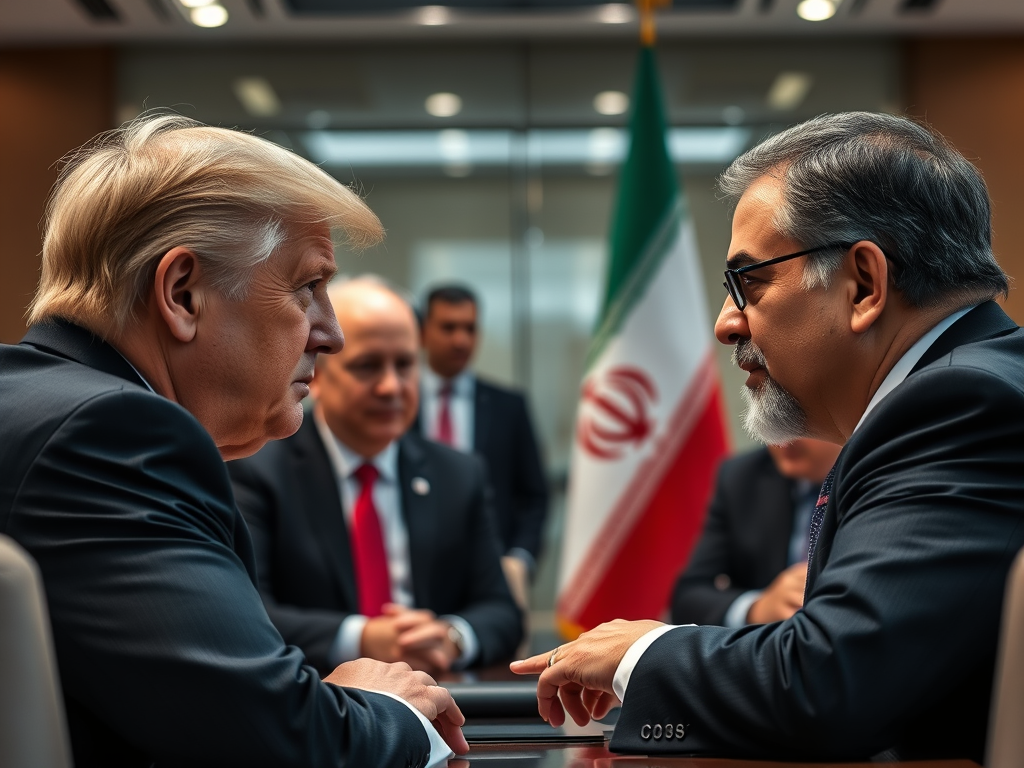
The United States and Iran have concluded a new round of high-stakes diplomatic talks in Oman, marking a cautious but significant step in efforts to manage long-standing tensions between the two rivals. The discussions focused mainly on Iran’s nuclear program and broader regional security concerns.
Oman, which has long played a quiet mediating role between Washington and Tehran, hosted the talks in its capital, Muscat. The country has previously served as a trusted intermediary in sensitive negotiations between the two nations, helping to keep communication channels open during periods of heightened tension.
What Were the Talks About?
The negotiations centered on Iran’s nuclear activities, particularly uranium enrichment levels, inspection access, and compliance with international agreements. The United States has repeatedly said it wants to prevent Iran from developing a nuclear weapon, while Iran maintains that its nuclear program is strictly for peaceful energy and research purposes.
Iran reportedly pushed for economic sanctions relief, arguing that years of restrictions have severely affected its economy and ordinary citizens. In return, Tehran signaled openness to limits on its nuclear activities and increased cooperation with international nuclear inspectors. The U.S., however, emphasized the need for verifiable, long-term guarantees before any sanctions could be eased. US and Iran Conclude High-Stakes Talks in Oman: Here’s What to Know
How the Talks Were Conducted
The talks were largely indirect, with Omani officials acting as intermediaries and passing messages between the two sides. This format reflects the absence of formal diplomatic relations between Washington and Tehran and the deep mistrust that has built up over decades.
Despite these limitations, diplomats described the discussions as detailed and focused, with both sides laying out their red lines and expectations for future engagement. US and Iran Conclude High-Stakes Talks in Oman: Here’s What to Know
Who Was Involved?
- Iran’s delegation was led by senior government officials with direct authority over nuclear policy.
- The U.S. side included experienced envoys and national security advisers.
- Oman’s foreign minister played a central role in facilitating dialogue and maintaining a neutral negotiating environment.
Outcome of the Talks
No final agreement was announced at the end of the meetings. However, both sides agreed that the talks were constructive and worth continuing. Iranian officials described the discussions as a “good starting point,” while U.S. representatives stressed that real progress would depend on measurable actions rather than promises. US and Iran Conclude High-Stakes Talks in Oman: Here’s What to Know
Why These Talks Matter
The talks come at a time of heightened tensions in the Middle East, including regional conflicts, military posturing, and concerns about nuclear proliferation. Any failure in diplomacy could increase the risk of confrontation, disrupt global energy markets, and further destabilize the region.
For the international community, these negotiations are closely watched because they could shape future non-proliferation efforts and influence diplomatic approaches to other global conflicts.

What Happens Next?
Both Washington and Tehran are expected to review the discussions internally before deciding on the timing and structure of the next round of talks. Oman has indicated its readiness to host further meetings and continue its mediating role.
While major differences remain, the conclusion of this round of talks suggests that diplomacy remains on the table, offering a possible path toward reduced tensions and greater regional stability.
Additional Developments and Global Reactions
International reactions to the Oman talks have been cautious but attentive. European leaders welcomed the renewed dialogue, emphasizing that sustained diplomacy remains the best path toward preventing further escalation in the region. China and Russia also called for restraint, urging both sides to prioritize negotiation over confrontation. Analysts note that while expectations remain low for a rapid breakthrough, the continuation of talks alone reduces immediate risks of conflict. Markets and energy observers are closely monitoring the situation, as any improvement or breakdown in U.S.–Iran relations could significantly affect global oil prices and regional economic stability.
About the Author


