Iran Issues Warning to UAE Ports as Middle East Conflict Intensifies 2026
Iran Issues Warning to UAE Ports as Middle East Conflict Intensifies
By InfoJet Newsroom
Published by Mr. Peter Asika
Growing tensions raise fears over regional security and global trade
The Middle East is entering a more volatile phase following a warning from Iran directed at key port infrastructure in the United Arab Emirates. The development has heightened concerns over the safety of global trade routes and the stability of the Gulf region.
The warning comes amid increasing military activity across the region, with reports of strikes, countermeasures, and heightened alert levels among several nations. Observers say the situation is gradually expanding beyond isolated confrontations into a broader geopolitical crisis.
Background to the escalation
Tensions have been building for months, driven by long-standing political and strategic disagreements between Iran and its regional and international counterparts. Recent developments, however, have accelerated the pace of escalation.
A series of incidents involving attacks on critical infrastructure has triggered strong reactions from multiple sides. Iran has accused its adversaries of targeting its economic backbone, particularly energy facilities, and has responded with firm warnings of potential retaliation.
This shift suggests a move toward a more complex form of conflict, where economic and logistical assets are increasingly becoming part of the battlefield.
Strategic importance of UAE ports
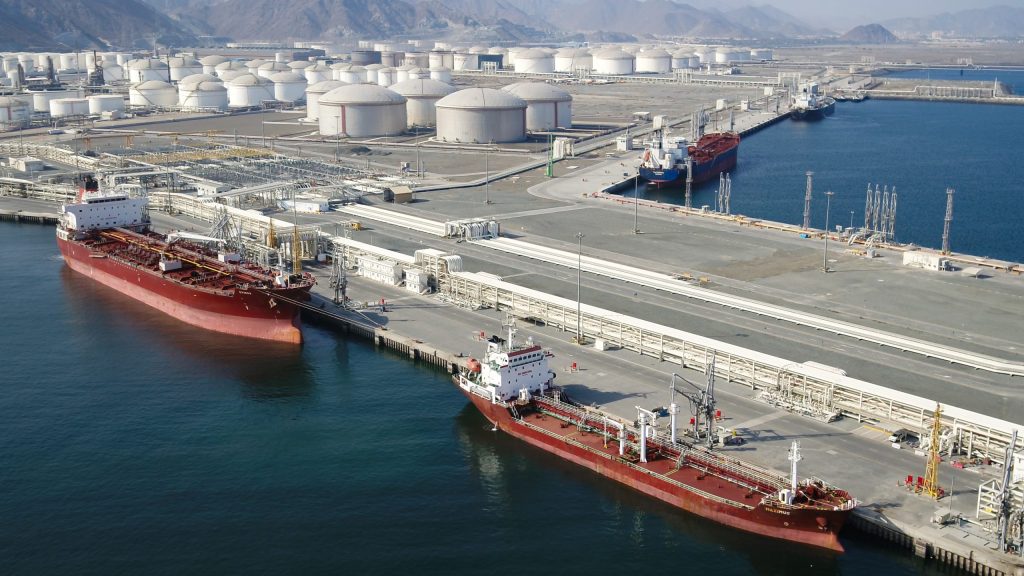
Ports in the United Arab Emirates are among the most significant in the world, acting as vital hubs for international shipping, oil exports, and logistics operations. Their proximity to the Strait of Hormuz places them at the center of global energy distribution.
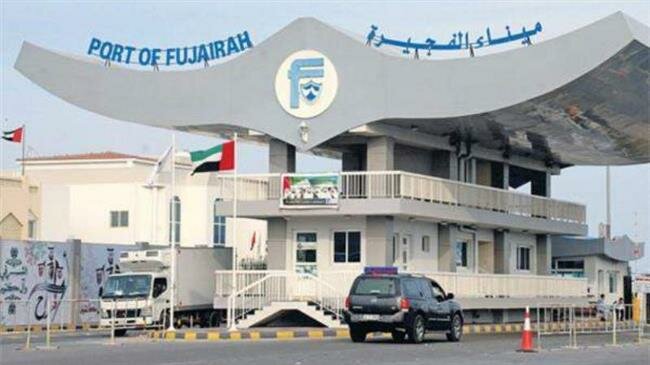
Facilities such as Jebel Ali and Fujairah handle large volumes of cargo and energy supplies, connecting markets across Asia, Europe, and Africa. Any disruption to these ports would have immediate and far-reaching consequences for global trade.
As a result, the warning issued by Iran has drawn widespread attention from governments, investors, and multinational corporations.
Understanding Iran’s position
Iran’s warning is widely interpreted as both a defensive and strategic move. By signalling potential risks to infrastructure in the UAE, Iranian authorities appear to be emphasizing their readiness to respond if tensions continue to escalate.
While there has been no confirmed attack linked directly to this warning, analysts believe it reflects a broader strategy aimed at deterring further actions against Iranian interests.
The message also highlights the growing role of economic pressure in modern conflicts, where targeting infrastructure can have significant ripple effects without direct military confrontation.
Impact on global energy markets
One of the most immediate effects of rising tensions has been increased uncertainty in global energy markets. Oil prices have shown signs of volatility as concerns grow over potential disruptions in supply.
The Gulf region remains a cornerstone of global energy production. Any threat to its infrastructure, including ports and shipping routes, can quickly influence global pricing and availability.
In addition to oil, natural gas markets are also on edge, as several countries depend on stable supplies from the region to meet their energy needs.
Shipping and trade under pressure
Shipping companies operating in the Gulf have begun taking precautionary measures in response to the heightened risk environment. Some have adjusted routes to avoid potential conflict zones, while others have increased security protocols for vessels.
Insurance premiums for maritime operations in the region have also risen, reflecting growing concerns over safety. These added costs could eventually affect global supply chains, leading to higher prices for goods and services.
The Strait of Hormuz remains a key point of concern. Any disruption to traffic through this route would have a significant impact on international trade.
Security measures within the UAE
Authorities in the United Arab Emirates have maintained that the country remains stable and secure despite the rising tensions. Security has been reinforced across critical infrastructure, including ports, airports, and energy facilities.
Advanced monitoring systems and defense capabilities are being utilized to ensure rapid response to any potential threats. While daily activities continue without major disruption, the heightened alert level underscores the seriousness of the situation.
Businesses and residents have been advised to stay informed, though there is no immediate cause for alarm.
Broader regional implications
The warning directed at UAE ports reflects a widening scope of conflict in the Middle East. What began as targeted actions has evolved into a more complex situation involving multiple countries and strategic interests.
There is growing concern that further escalation could lead to increased military engagement, attacks on infrastructure, and a broader regional impact. The involvement of various actors makes the situation particularly unpredictable.
Global powers are also closely monitoring developments, given the potential implications for international security and economic stability.
Diplomatic outlook
Efforts to de-escalate tensions are ongoing, with several countries calling for restraint and dialogue. However, achieving a resolution remains challenging due to deep-rooted political differences and competing interests.
Diplomatic channels remain open, but progress has been limited. The coming days will be critical in determining whether tensions can be reduced or whether the situation will escalate further.
What lies ahead
As the situation continues to develop, several key factors will shape the next phase:
The possibility of further warnings or actions from Iran
Changes in regional security dynamics
Fluctuations in global energy markets
Responses from international stakeholders
These developments will play a crucial role in determining the direction of the crisis.
Regional Political Dynamics
The warning issued by Iran is not only a military signal but also a clear political statement. Analysts suggest that Tehran is leveraging the heightened tensions to assert influence over the Gulf and demonstrate its capacity to project power beyond its borders.
Regional powers such as Saudi Arabia, Qatar, and Oman are closely monitoring the situation. While the UAE remains the immediate focus, neighbouring countries are concerned about the potential for spillover effects, particularly if maritime routes or energy facilities in other Gulf states are threatened.
Experts highlight that this warning comes at a time when diplomatic relations in the region are already fragile, with negotiations over nuclear agreements, trade, and security cooperation under strain. The interplay of domestic politics within Iran and the UAE adds another layer of complexity, as leaders seek to balance internal stability with external messaging.
Energy Security and Global Economic Risk
Beyond the immediate impact on oil and gas prices, experts warn that prolonged instability in the Gulf could have cascading effects on global energy markets. Industries dependent on petroleum and natural gas, including transportation, manufacturing, and chemical production, could face increased costs.
Investors have reacted with caution, with shares in energy companies and maritime logistics firms showing heightened volatility. Futures markets are already pricing in potential disruptions, indicating a broader concern about supply chain reliability.
In addition, insurance firms covering shipping operations are reportedly reviewing their risk assessments for vessels passing through the Gulf, leading to higher premiums and stricter operational guidelines. For businesses reliant on timely delivery, these changes could translate into delays and increased costs, potentially impacting global trade flows for months if the crisis continues.
Cybersecurity Concerns
The ongoing tension also raises concerns about the cyber dimension of modern conflicts. Gulf states have increasingly relied on digital infrastructure for port management, shipping logistics, and energy operations. Analysts warn that in addition to physical threats, ports and shipping companies could face cyberattacks intended to disrupt operations or gather intelligence.
Cybersecurity specialists are advising Gulf operators to reinforce systems against potential hacking attempts, ransomware attacks, or network disruptions. Experts note that cyberattacks often accompany conventional threats, and their impact can be as disruptive as physical damage, especially if key maritime or energy systems are targeted.
Historical Context
This is not the first time tensions in the Gulf have affected global shipping and trade. Historical conflicts, such as the Iran-Iraq War in the 1980s and more recent incidents involving naval confrontations, have demonstrated the strategic vulnerability of maritime chokepoints like the Strait of Hormuz.
History shows that even short-term disruptions in this region can ripple through global markets, affecting oil prices, trade routes, and investor confidence worldwide. Analysts argue that understanding this context is critical for interpreting the current warning and assessing potential outcomes.
International Reactions
The international community has responded cautiously. While no military intervention has been announced, several countries have issued travel advisories, especially for personnel operating in sensitive maritime areas.
Major energy-importing nations, including China, Japan, and several European states, are closely monitoring the situation. Their governments have emphasized the importance of maintaining open communication channels with Gulf states to prevent miscalculations or escalation.
In parallel, international organizations are urging all parties to pursue diplomacy and conflict resolution to prevent wider regional instability, highlighting the potential humanitarian and economic consequences of an extended crisis.
Maritime Preparedness and Contingency Measures
Shipping operators and port authorities are increasingly focused on contingency planning. Some have begun rerouting vessels away from the most vulnerable areas, while others are reinforcing security protocols at docks and loading facilities.
Emergency drills and coordination with naval forces are reportedly underway, emphasizing readiness for both conventional and asymmetric threats. These preparations aim to maintain the flow of trade while mitigating risk to personnel and infrastructure.
Potential Humanitarian Impact
While the immediate discussion focuses on infrastructure and energy markets, experts caution that prolonged conflict could have humanitarian consequences. Disruptions in port operations can affect the import of essential goods, including food, medical supplies, and raw materials.
Any escalation leading to blockades or attacks on critical facilities could exacerbate regional shortages and increase the cost of living, affecting millions of civilians across the Gulf and beyond.
Long-Term Geopolitical Implications
The warning to UAE ports may have lasting implications for regional alliances and power dynamics. Countries in the Gulf are likely to reassess security partnerships, investment strategies, and infrastructure vulnerability.
Global powers may also adjust their military and diplomatic posture to ensure continued access to energy resources and secure trade routes. The outcome of this tension could redefine the strategic landscape in the Gulf for years, influencing economic and political alignments beyond the immediate crisis.
Conclusion
The warning issued by Iran to ports in the United Arab Emirates marks a significant moment in the ongoing Middle East conflict. It signals a potential shift toward economic and infrastructure targets, raising the stakes for all parties involved.
With global trade and energy supply chains at risk, the impact of these tensions extends far beyond the region. As uncertainty continues, the need for stability and diplomatic engagement has never been more urgent.
InfoJet remains committed to delivering accurate, timely, and insightful global news to keep readers informed on critical developments shaping the world.
About the Author


