Global Food Prices Surge as Supply Chain Disruptions Worsen Worldwide
By InfoJet Newsroom
Global food prices are rising sharply once again, creating widespread concern among governments, businesses, and households across both developed and developing economies. The latest surge reflects a complex combination of factors including ongoing supply chain disruptions, extreme weather events, geopolitical instability, and economic pressures that continue to reshape the global food system. What began as isolated challenges in specific regions has now evolved into a broader issue with far reaching consequences for food security, inflation, and economic stability worldwide.
In recent months, international food markets have experienced noticeable volatility. Prices of essential commodities such as wheat, rice, maize, and vegetable oils have recorded significant increases, putting pressure on both import dependent nations and local consumers. For many families, especially in low income regions, the rising cost of food is no longer a temporary inconvenience but a growing crisis that affects daily survival. Reports from various regions indicate that households are spending a larger portion of their income on food, leaving less for healthcare, education, and other basic needs.
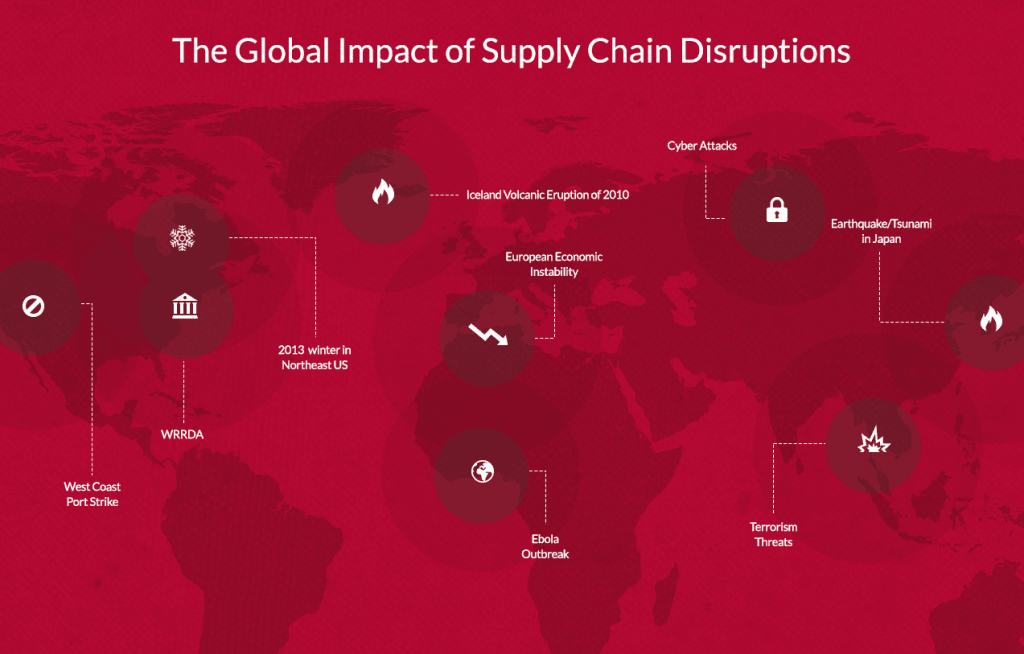
One of the primary drivers of this surge is the continued disruption of global supply chains. Since the aftermath of the COVID 19 pandemic, the world has struggled to fully restore the efficiency of its production and distribution networks. Port congestion, labor shortages, and increased transportation costs have made it more difficult to move goods smoothly across borders. Shipping delays have become more frequent, and in some cases, entire consignments of food products have been held up for extended periods, leading to shortages in certain markets.
Transportation costs have also risen significantly, driven by higher fuel prices and limited availability of shipping containers. This increase in logistics expenses is directly passed on to consumers, making food products more expensive even in regions where local production remains stable. For countries that rely heavily on imports, the impact is even more severe, as currency fluctuations and import costs add another layer of financial burden.
Climate change has emerged as another critical factor contributing to the current situation. Extreme weather events such as droughts, floods, and heatwaves have disrupted agricultural production in key farming regions around the world. In parts of Africa and Asia, prolonged droughts have reduced crop yields, while unexpected flooding in other regions has destroyed farmland and displaced farming communities. These environmental challenges have made food production less predictable and more vulnerable to sudden changes.
Farmers are increasingly finding it difficult to maintain consistent output due to shifting weather patterns. In some cases, planting seasons have been delayed or disrupted entirely, leading to reduced harvests. The cost of agricultural inputs such as fertilizers and seeds has also increased, further discouraging large scale production. For small scale farmers, who make up a significant portion of the global agricultural workforce, these challenges can be devastating, pushing them closer to financial instability.
Geopolitical tensions have further complicated the global food landscape. Conflicts and political instability in key regions have disrupted both production and export activities. Trade restrictions and sanctions have limited the flow of agricultural goods, while insecurity in certain areas has made farming and transportation more difficult. These disruptions have had a ripple effect across international markets, as shortages in one region often lead to price increases in another.
The interconnected nature of the global food system means that no country is entirely insulated from these developments. Even nations with strong agricultural sectors are feeling the effects, as global price benchmarks influence local markets. In many cases, governments have been forced to intervene through subsidies, price controls, or import policies in an attempt to protect consumers from the worst impacts. However, such measures are often temporary solutions that do not address the underlying causes of the crisis.
Inflation has become a central concern in this context. Rising food prices contribute significantly to overall inflation rates, affecting economic stability and growth. Central banks in several countries are already grappling with the challenge of balancing inflation control with economic recovery. As food prices continue to climb, policymakers face increasing pressure to take decisive action without triggering unintended consequences.
In urban areas, the impact of rising food prices is particularly evident. Supermarkets and local markets have seen noticeable increases in the cost of everyday items, from bread and cereals to cooking oil and fresh produce. For many consumers, the situation has led to changes in purchasing habits, with families opting for cheaper alternatives or reducing their overall consumption. In some cases, nutritional quality has been compromised as households prioritize affordability over variety.

Rural communities are not immune to these challenges. While some farmers may benefit from higher prices, others struggle with increased production costs and limited access to markets. Infrastructure issues, such as poor road networks and lack of storage facilities, continue to hinder efficient distribution in many regions. As a result, food wastage remains a significant problem, even as prices rise and demand increases.
International organizations and humanitarian agencies have raised concerns about the potential for a deeper global food crisis if current trends continue. Vulnerable populations, including refugees and low-income households, are at the highest risk of food insecurity. In some regions, aid programs are already under strain, as rising costs limit the ability to provide sufficient support.
Efforts to address the situation are ongoing, but progress has been uneven. Governments and private sector stakeholders are exploring ways to strengthen supply chains, invest in sustainable agriculture, and improve resilience against climate related shocks. Technological innovations, such as precision farming and digital supply chain management, offer some hope for improving efficiency and reducing waste. However, the scale of the challenge requires coordinated action at both national and international levels.
Trade policies are also being reexamined in light of recent developments. Some countries have imposed export restrictions in an attempt to secure domestic supply, while others are seeking new trade partnerships to diversify their sources of food imports. While these strategies may provide short term relief, they can also contribute to market instability if not carefully managed.
Another important aspect of the crisis is the role of consumer behavior. Increased awareness of food waste and sustainable consumption practices can play a part in mitigating the impact of rising prices. However, meaningful change requires access to affordable alternatives and supportive policies that encourage responsible consumption.
Financial markets have responded to the situation with heightened sensitivity. Commodity prices are being closely monitored by investors, and fluctuations in food markets are influencing broader economic trends. The uncertainty surrounding supply and demand dynamics has made it more difficult for businesses to plan and invest with confidence.
Looking ahead, the outlook remains uncertain. While some experts believe that improvements in supply chain efficiency and favorable weather conditions could help stabilize prices, others warn that structural challenges will continue to pose risks in the long term. The interplay between climate change, geopolitical factors, and economic pressures suggests that volatility may become a recurring feature of the global food system.
For policymakers, the current situation underscores the importance of long term planning and investment in food security. Strengthening local production, improving infrastructure, and supporting farmers are essential steps toward building a more resilient system. At the same time, international cooperation will be critical in addressing cross border challenges and ensuring equitable access to food resources.
Consumers, businesses, and governments alike must adapt to the evolving landscape. While immediate measures can help alleviate short term pressures, lasting solutions will require a comprehensive approach that addresses the root causes of the crisis. The coming months will be crucial in determining whether global food prices can stabilize or whether further disruptions will deepen the challenges already facing millions of people around the world.
As the situation continues to unfold, one thing remains clear. The issue of rising food prices is not confined to any single region or sector. It is a global challenge that demands attention, innovation, and collaboration on an unprecedented scale. The decisions made today will shape the future of food security for generations to come, making it imperative for all stakeholders to act with urgency and determination.
About the Author


