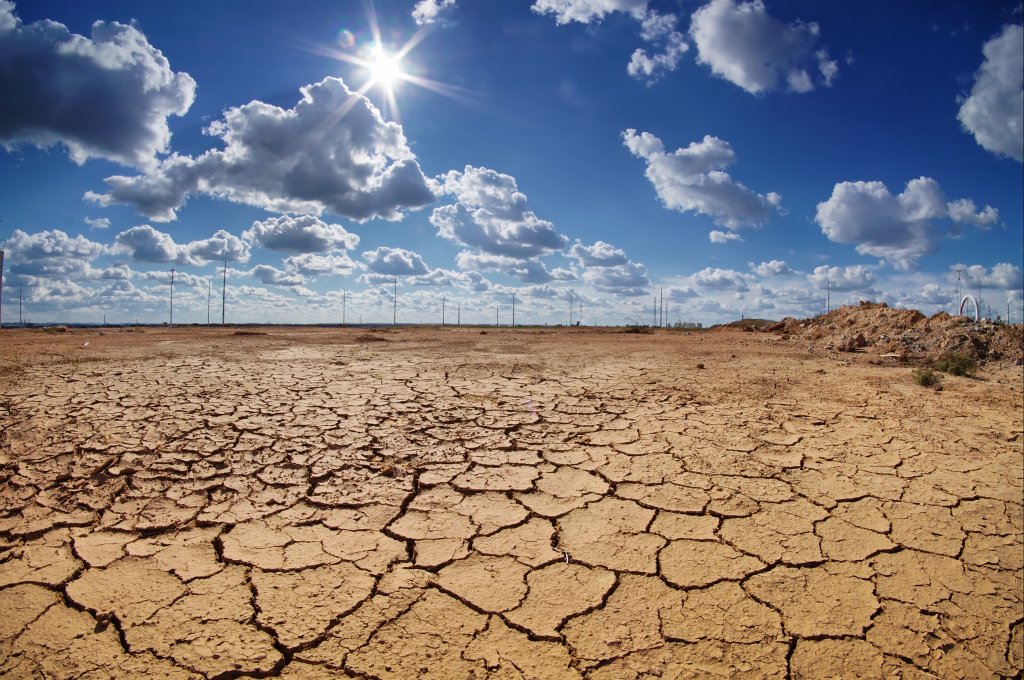
Record Breaking Heatwave Hits Early as Climate Change Intensifies
By InfoJet Newsroom
Published by Mr. Peter Asika
A Disturbing Start to the Year
An unusual and alarming wave of extreme heat has swept across multiple regions of the world far earlier than expected, raising serious concerns among scientists, governments, and environmental experts. What should have been a relatively mild transition into warmer months has instead turned into a dangerous preview of peak summer conditions.
In several parts of the world, especially across North America, temperatures have climbed to levels rarely recorded at this time of year. Cities that would typically experience cool breezes and moderate sunshine are now battling intense heat, forcing people indoors and putting pressure on power and health systems.
This early arrival of extreme weather is not being treated as a random occurrence. Experts are increasingly pointing to a deeper and more troubling cause that continues to shape global weather patterns in unpredictable ways.
Understanding the Heatwave Phenomenon
A heatwave is generally defined as a prolonged period of excessively hot weather that may be accompanied by high humidity. However, what makes the current situation unusual is not just the intensity of the heat, but the timing.
Traditionally, extreme heatwaves are expected during peak summer months when the sun’s intensity is strongest. But in recent years, these events have begun appearing earlier in the calendar, lasting longer, and affecting wider areas.
Meteorologists explain that this shift is a sign that the Earth’s climate system is undergoing significant changes. The balance that once regulated seasonal weather patterns is gradually being disrupted, leading to abnormal temperature spikes.
Climate Change at the Center of the Crisis
At the core of this growing problem is Climate Change, a long term alteration in global temperatures and weather patterns largely driven by human activities.
The burning of fossil fuels such as coal, oil, and gas releases greenhouse gases into the atmosphere. These gases trap heat from the sun, preventing it from escaping back into space. Over time, this leads to a gradual increase in the Earth’s overall temperature.
While this warming may seem small on a yearly basis, its cumulative effect is powerful. It alters ocean currents, shifts wind patterns, and increases the likelihood of extreme weather events, including heatwaves, floods, and storms.
The current heatwave is being seen as another clear sign that the planet is warming at a faster rate than previously anticipated.
Record Temperatures Raise Alarm
Recent temperature readings have shattered historical records in several locations. In some areas, temperatures have exceeded 40 degrees Celsius, levels typically associated with the height of summer rather than early spring.
These extreme conditions are not only uncomfortable but dangerous. Prolonged exposure to such heat can lead to dehydration, heat exhaustion, and in severe cases, heatstroke.
Hospitals in affected regions have reported an increase in heat related illnesses, particularly among vulnerable populations such as the elderly, children, and those with pre existing health conditions.
The sudden spike in temperature has also forced schools and workplaces to adjust schedules, while some outdoor activities have been suspended to reduce health risks.
Impact on Daily Life
The effects of the heatwave are being felt across multiple sectors of society. Daily routines have been disrupted as people struggle to adapt to the unexpected weather conditions.
Electricity demand has surged as households and businesses rely heavily on air conditioning and cooling systems. This increase in demand is placing significant strain on power grids, leading to outages in some areas.
Water consumption has also risen sharply, raising concerns about supply shortages, especially in regions already dealing with limited resources.
Transportation systems are not immune either. High temperatures can damage road surfaces, affect rail lines, and even disrupt air travel by reducing aircraft performance.
Economic Consequences
Beyond its immediate impact on health and comfort, the heatwave is also carrying serious economic implications.
Agriculture is among the hardest hit sectors. Crops that depend on stable weather conditions are struggling to survive under extreme heat. Reduced yields could lead to food shortages and rising prices in the coming months.
Livestock farmers are also facing challenges as animals suffer from heat stress, which can reduce productivity and increase mortality rates.
In urban areas, businesses are experiencing lower productivity as workers cope with the physical strain of high temperatures. Outdoor industries such as construction and logistics are particularly affected.
The combined effect of these disruptions could slow economic growth and increase the cost of living for millions of people.
Environmental Damage Intensifies
The environment is also paying a heavy price. Prolonged heat dries out vegetation, increasing the risk of wildfires. Forests and grasslands become more vulnerable, turning even small sparks into large scale disasters.
Water bodies such as rivers and lakes are experiencing reduced levels due to increased evaporation. This not only affects drinking water supplies but also harms aquatic life.
Wildlife is struggling to adapt as natural habitats become less hospitable. Many species are forced to migrate in search of cooler environments, disrupting ecosystems and biodiversity.
These environmental changes, if sustained, could have long lasting consequences that extend far beyond the current heatwave.
A Global Pattern Emerging
What makes the situation even more concerning is that this is not an isolated event. Similar patterns of early and intense heatwaves have been reported in different parts of the world over the past few years.
Scientists warn that such events are becoming more frequent and more severe. The term “extreme weather” is gradually losing its meaning as these conditions become increasingly common.
This emerging pattern suggests that the world may be entering a new climate reality where unpredictability becomes the norm rather than the exception.
Government Response and Preparedness
Governments in affected regions are taking steps to manage the situation, but the scale of the challenge is significant.
Emergency measures such as opening cooling centers, issuing heat advisories, and increasing medical readiness are being implemented. Public awareness campaigns are also encouraging people to stay hydrated and avoid unnecessary exposure to the sun.
However, experts argue that short term responses are not enough. There is a growing need for long term strategies that address the root causes of the problem.
This includes investing in renewable energy, improving urban planning to reduce heat buildup, and strengthening infrastructure to withstand extreme weather conditions.
The Role of Individuals
While governments and organizations play a major role, individuals also have a part to play in addressing the climate crisis.
Simple actions such as reducing energy consumption, using public transportation, and supporting environmentally friendly policies can collectively make a difference.
Adapting to the current situation is equally important. Staying hydrated, wearing light clothing, and avoiding peak sun hours are basic but effective ways to stay safe during extreme heat.
Communities can also support one another by checking on vulnerable individuals and sharing resources during difficult times.

Rising Pressure on Global Health Systems
As extreme temperatures continue to stretch beyond seasonal expectations, healthcare systems around the world are beginning to feel the strain in new and complex ways. Hospitals are not only dealing with direct heat related illnesses but are also seeing worsening conditions among patients with chronic diseases. Cardiovascular and respiratory issues tend to intensify during periods of excessive heat, placing additional pressure on already stretched medical resources.
Medical professionals warn that prolonged exposure to high temperatures can silently impact the body even before visible symptoms appear. Dehydration, for example, can develop gradually and affect organ function if not addressed early. In densely populated cities, where access to cooling may be limited for some residents, the risks become even more pronounced.
Another concern is the uneven distribution of healthcare access. While some regions have the infrastructure to respond effectively, others struggle to provide even basic support. This imbalance highlights a growing global inequality in the ability to cope with climate related emergencies.
Urban Heat Islands Worsen the Crisis
Cities are experiencing the heatwave more intensely due to a phenomenon known as the urban heat island effect. Concrete buildings, asphalt roads, and limited green spaces absorb and retain heat, making urban areas significantly warmer than surrounding rural regions.
As a result, nighttime temperatures in cities remain unusually high, offering little relief for residents. This continuous exposure increases health risks and reduces the body’s ability to recover from daytime heat. For many people living in crowded environments, especially in low income communities, access to cooling systems remains limited, further compounding the problem.
Urban planners are now being urged to rethink city designs by incorporating more green spaces, improving ventilation, and using materials that reflect rather than absorb heat. Without such changes, cities could become increasingly difficult to live in as global temperatures continue to rise.
Energy Demand Reaches Critical Levels
The surge in temperature has triggered an unprecedented rise in energy consumption. Air conditioning units, fans, and refrigeration systems are running at full capacity across homes, offices, and industries.
This spike in demand is pushing power grids to their limits. In some regions, electricity providers have issued warnings about potential blackouts if consumption continues to exceed supply. Such outages during extreme heat conditions can be dangerous, leaving people without access to cooling when they need it most.
The situation also raises concerns about energy sustainability. Increased reliance on fossil fuel based power generation to meet demand could further contribute to environmental damage, creating a cycle that intensifies the very problem it seeks to address.
Food Security Under Threat
The impact of rising temperatures is extending into global food systems, creating new challenges for both producers and consumers. Heat stress is affecting crop growth cycles, reducing yields and altering harvest timelines.
Farmers are finding it increasingly difficult to predict weather patterns, making planning more uncertain than ever before. Irrigation demands are rising, placing additional pressure on already limited water supplies. In some areas, entire harvests are at risk due to prolonged exposure to extreme conditions.
For consumers, this could translate into higher food prices and reduced availability of certain products. Staple foods may become more expensive, affecting low income households the most. The ripple effect of these disruptions could be felt across global markets, influencing trade and economic stability.
A Defining Moment for Global Action
The continuation of this heatwave serves as a defining moment for global awareness and response. It is no longer a distant or abstract issue but a present reality affecting millions of lives simultaneously.
There is a growing recognition that addressing climate challenges requires coordinated efforts across nations, industries, and communities. Technological innovation, policy reform, and environmental responsibility must work together to create meaningful change.
The events unfolding today may shape how future generations understand and respond to environmental crises. The urgency is clear, and the path forward depends on decisions being made in this critical moment.
Looking Ahead
The early arrival of this record-breaking heatwave serves as a powerful reminder of the challenges posed by a changing climate. It highlights the urgent need for coordinated global action to address environmental issues before they escalate further.
Scientists continue to study these patterns to better understand what lies ahead. While predictions vary, there is a general consensus that extreme weather events will become more frequent if current trends continue.
The choices made today will play a crucial role in shaping the future. Whether through policy changes, technological innovation, or individual action, there is still an opportunity to mitigate the worst effects of climate change.
Conclusion
The current heatwave is more than just a temporary spike in temperature. It is a clear signal of a deeper and more complex global challenge that demands immediate attention.
As the world grapples with rising temperatures and shifting weather patterns, the need for awareness, preparedness, and action has never been greater.
The heat may eventually subside, but the message it carries is one that cannot be ignored.
About the Author


