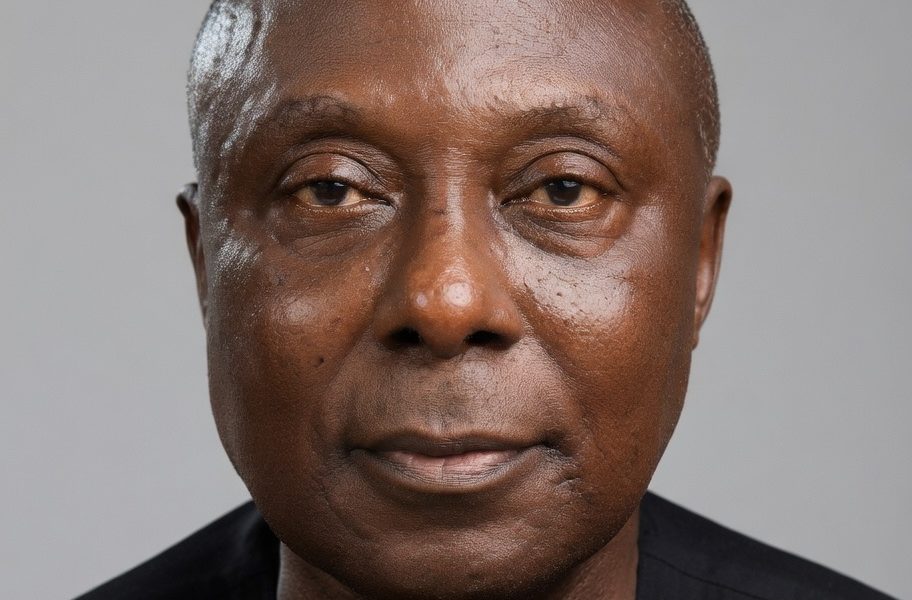
Former Acting Accountant-General of the Federation Anamekwe Nwabuoku Sentenced to 72 Years Over ₦868 Million Fraud
Anamekwe Nwabuoku Sentenced to 72 Years Over ₦868 Million Fraud Case
By InfoJet Newsroom
Introduction
In a landmark ruling that has sent shockwaves across Nigeria’s political and financial landscape, former Acting Accountant-General of the Federation, Anamekwe Nwabuoku, has been sentenced to a cumulative 72 years in prison over a massive fraud case involving ₦868 million.
The judgment is being widely regarded as one of the most significant anti-corruption victories in recent years, reinforcing the judiciary’s role in holding powerful public officials accountable.
Background of the Case
The case against Anamekwe Nwabuoku dates back to his tenure in public office, where he was accused of abusing his position to divert public funds for personal gain.
Investigations revealed that the funds were allegedly funneled through multiple accounts and shell entities in an attempt to conceal the transactions. Authorities described the scheme as highly coordinated and deliberately structured to evade detection.
The charges brought against him included multiple counts of fraud, money laundering, and abuse of office.
Role of Anti-Corruption Agencies
The prosecution of the case was led by the Economic and Financial Crimes Commission, which has been at the forefront of Nigeria’s fight against financial crimes.
According to officials, the commission spent months gathering evidence, tracking financial records, and building a strong legal case that ultimately led to the conviction of Anamekwe Nwabuoku.
The agency emphasized that the ruling sends a clear message that no public official is above the law, regardless of their position or influence.
Court Ruling and Sentencing
The court found Anamekwe Nwabuoku guilty on multiple counts, with each charge carrying separate prison terms.
While the total sentence amounts to 72 years, legal experts note that such sentences are often served concurrently under Nigerian law, meaning the actual time spent in prison may be significantly less.
Nevertheless, the judgment remains symbolically powerful, reflecting the severity of the crimes and the court’s stance on corruption.
Public Reaction Across Nigeria
The verdict has sparked widespread reactions from Nigerians both online and offline.
Many citizens have praised the ruling as a step in the right direction, expressing hope that it will deter other public officials from engaging in corrupt practices.
On social media, the case quickly became a trending topic, with users calling for more transparency and accountability in government institutions.
However, some critics remain cautious, arguing that consistent enforcement and more convictions are needed to truly win the fight against corruption.
Implications for Governance and Accountability
This case highlights the ongoing challenges Nigeria faces in tackling corruption within its public sector.
Experts believe that strong judicial actions like this can help rebuild public trust in government institutions, which has been weakened by years of financial mismanagement and scandals.
The ruling also underscores the importance of institutional checks and balances, as well as the need for continued reforms in public financial management systems.
The Bigger Picture in Nigeria’s Anti-Corruption Fight
Nigeria has long struggled with corruption, which has impacted economic growth, foreign investment, and public service delivery.
Successive administrations have introduced policies and initiatives aimed at curbing financial crimes, but progress has often been slow and inconsistent.
The conviction of high-ranking officials like Anamekwe Nwabuoku signals a potential shift toward more aggressive enforcement and accountability.
What This Means for the Future
The sentencing of Anamekwe Nwabuoku is expected to have far-reaching effects on Nigeria’s political and administrative systems.
It may encourage stronger compliance with financial regulations, as public officials become more aware of the consequences of misconduct.
Additionally, it could boost investor confidence by demonstrating a commitment to transparency and the rule of law.
Inside the Courtroom: How the Trial Unfolded
The court proceedings leading to the conviction of Anamekwe Nwabuoku were described by legal observers as intense, detailed, and closely followed by both the media and the public.
During the trial, prosecutors presented a wide range of evidence, including financial records, bank statements, and transaction histories that allegedly traced the movement of the ₦868 million in question. These documents were used to establish a clear pattern of fund diversion linked to accounts associated with Anamekwe Nwabuoku.
Witnesses called by the prosecution included financial experts and investigators from the Economic and Financial Crimes Commission, who explained how the funds were moved through multiple channels in an attempt to avoid detection. Their testimonies played a crucial role in helping the court understand the complexity of the transactions.
Defense Arguments and Legal Strategy
The defense team representing Anamekwe Nwabuoku challenged the prosecution’s claims, arguing that the evidence presented did not conclusively prove intentional wrongdoing.
They questioned the interpretation of financial documents and suggested that some transactions may have been misrepresented or taken out of context. The defense also attempted to cast doubt on the credibility of certain witnesses, insisting that the case lacked sufficient proof of direct personal benefit.
Despite these arguments, the court maintained that the weight of evidence presented by the prosecution was substantial and consistent.
Key Moments That Shaped the Judgment
Several moments during the trial stood out as turning points.
One of the most significant was the detailed breakdown of transaction flows, where prosecutors demonstrated how funds allegedly moved from government accounts into private channels. This presentation reportedly strengthened the court’s confidence in the prosecution’s case.
Another critical moment came during cross-examination, where inconsistencies in explanations provided by the defense were highlighted. Legal analysts noted that these exchanges appeared to weaken the defense’s position.
The courtroom atmosphere during these sessions was described as tense, with both legal teams presenting arguments with high intensity.
The Judge’s Final Ruling
In delivering the judgment, the presiding judge stated that the evidence before the court clearly established a pattern of financial misconduct.
The court emphasized that public office is a position of trust and that any abuse of such responsibility must be met with serious consequences. The judge also noted that the scale of the fraud and the level of sophistication involved warranted a strong sentence.
Anamekwe Nwabuoku was subsequently found guilty on multiple counts, leading to the cumulative 72-year sentence.
Reactions Inside the Court
Immediately after the judgment was delivered, reactions within the courtroom reflected the weight of the moment.
Legal representatives, journalists, and observers were seen reacting with a mix of surprise and approval. Some viewed the ruling as a bold statement against corruption, while others focused on the legal implications and the likelihood of appeals.
Supporters of anti-corruption efforts welcomed the decision, describing it as a victory for accountability and justice in Nigeria.
Possibility of Appeal
Following the sentencing, legal experts have indicated that Anamekwe Nwabuoku may choose to challenge the ruling in a higher court.
Appeals are a common step in high-profile cases, and the defense team is expected to review the judgment carefully to identify potential grounds for reconsideration.
If an appeal is filed, the case could continue to draw national attention, further highlighting the complexities of Nigeria’s legal and judicial processes.
Conclusion
The 72-year sentencing of Anamekwe Nwabuoku marks a defining moment in Nigeria’s anti-corruption journey.
While challenges remain, this case stands as a powerful reminder that accountability is possible, even at the highest levels of government.
For many Nigerians, it represents not just a legal victory, but a renewed sense of hope for a more transparent and responsible system.
About the Author


