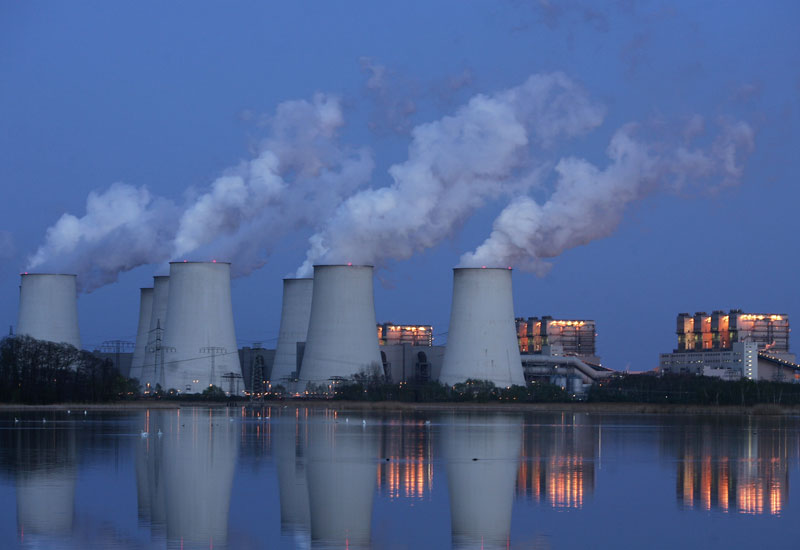
Iran Warns It May Strike Gulf Power Facilities Following Trump Ultimatum
Iran Threatens Gulf Power Plants After Trump Ultimatum
By InfoJet Newsroom | March 23, 2026
Geopolitical Tensions Escalate in the Gulf
In a dramatic escalation, Iran has warned it will target power plants and critical energy infrastructure across the Persian Gulf after U.S. President Donald Trump issued a 48‑hour ultimatum demanding the reopening of the Strait of Hormuz. This ultimatum, framed as a warning to prevent further disruption of global energy supplies, has heightened fears of a wider regional conflict.
According to Iranian officials, any strike on their infrastructure would be met with retaliatory measures, potentially affecting energy and water systems in neighboring Gulf states. Analysts warn that this standoff could have serious economic and humanitarian consequences, impacting not only the Middle East but also global markets.
The Trump Ultimatum
President Trump’s directive focused on the strategic Strait of Hormuz, a vital chokepoint through which nearly a fifth of the world’s oil passes. The U.S. warning emphasized that failure to reopen the strait within 48 hours could result in strikes against Iranian power plants, including some of the largest facilities that provide electricity to major cities and industrial zones.
White House officials described the ultimatum as necessary to protect global energy security, stating that Iran’s partial blockade threatens international trade and regional stability.
Iran’s Retaliation Threat
Iran responded defiantly:
- Energy infrastructure in the Gulf could be targeted if the U.S. acts against Iranian facilities.
- The Iranian Revolutionary Guard Corps (IRGC) stated that it is prepared to execute “proportionate responses” to any attack.
- Officials warned that desalination plants and power grids supplying neighboring countries could be affected, highlighting the civilian risk associated with strategic retaliation.
Experts say Iran’s threats leverage the region’s dependence on its critical energy and water infrastructure, making any escalation potentially disruptive to millions of people.
Regional and Global Implications
1. Energy Market Volatility
Global oil prices have spiked as traders react to the possibility of supply disruptions from the Persian Gulf. Analysts warn that continued tension could create an energy shock surpassing the oil crises of the 1970s, with ripple effects on fuel prices, shipping costs, and inflation worldwide.
2. Heightened Military Alert
Gulf countries, including Saudi Arabia and the UAE, have increased defense readiness. Military officials confirm that strategic installations are being reinforced, with contingency plans in place for potential escalation.
3. Economic and Humanitarian Risk
Targeting infrastructure such as power plants and desalination systems could trigger blackouts, water shortages, and disruptions to hospitals and essential services — raising concerns of a humanitarian crisis alongside the geopolitical standoff.
Timeline of Key Events
- Late February 2026: U.S. and Israeli forces launch operations against Iranian strategic sites.
- Early March 2026: Iran retaliates with missile strikes near the Gulf.
- Mid-March 2026: Attacks disrupt Iranian oil and gas production, escalating regional tension.
- March 21, 2026: Trump issues 48-hour ultimatum demanding the reopening of the Strait of Hormuz.
- March 23, 2026: Iran threatens strikes on Gulf power plants in response, raising global alarms.
Expert Commentary
Energy Analyst, InfoJet Expert Desk:
“The situation is extremely delicate. Any strike on Iranian infrastructure could cascade into a full-blown regional crisis affecting global energy markets and civilian populations. Governments and companies must prepare for prolonged disruption.”
Geopolitical Analyst, InfoJet Research:
“Iran’s threats are a strategic message. By leveraging the Strait of Hormuz and energy infrastructure, Tehran increases the cost of military engagement for its adversaries while forcing global attention on the conflict.”
The Global Stakes
This standoff is not just a Middle East issue. Analysts warn that prolonged disruption of oil flows could trigger:
- Increased fuel prices worldwide.
- Supply chain interruptions for industries dependent on energy-intensive production.
- Investor caution and market volatility.
- Potential humanitarian crises if essential services are disrupted.
What Could Happen Next?
- Diplomatic De-escalation: Negotiations could lead to reopening of the strait without attacks.
- Limited Strikes: Military action may focus on non-civilian targets to avoid widespread disruption.
- Full-blown Conflict: A miscalculation could escalate into a regional war, drawing in multiple nations.
Global leaders and investors are closely monitoring developments, knowing that the next 48 hours are critical.
International Response and Diplomatic Pressure
The Iran–U.S. standoff has triggered reactions from global powers and international organizations:
- United Nations: UN Secretary-General issued a statement calling for “restraint on all sides” and urging diplomatic dialogue to prevent escalation into wider conflict.
- European Union: EU foreign policy leaders have expressed “deep concern,” highlighting the potential for energy market instability and humanitarian impact in Gulf nations.
- China and Russia: Both nations have called for calm, emphasizing peaceful negotiation and warning that military escalation could disrupt global trade and energy supply chains.
Diplomats report that informal backchannel talks are underway, but progress remains limited as Iran refuses to compromise on the Strait of Hormuz control.
Economic Repercussions Beyond Oil
While the immediate focus is on oil markets, experts warn that the Iran crisis could have far-reaching economic effects:
- Global Inflation Risk: With energy prices surging, transportation, manufacturing, and food production costs could rise sharply. Analysts predict inflationary pressures could spread beyond energy-importing nations.
- Investment Volatility: Global markets are sensitive to geopolitical risk. Investors are likely to reallocate funds to safer assets, increasing demand for gold and U.S. Treasury securities.
- Shipping & Trade Disruptions: Closure or partial blockade of the Strait of Hormuz could impact over 18 million barrels of oil daily, affecting supply chains and increasing shipping insurance costs.
InfoJet Market Analysis Desk notes: “Even a temporary disruption in the Gulf can ripple through energy-intensive industries worldwide, from electronics to agriculture. Businesses must anticipate cost spikes and potential supply delays.”
Civilian and Humanitarian Concerns
Targeting power and desalination plants in Gulf states could trigger serious civilian consequences:
- Electricity blackouts may halt hospitals, water treatment, and essential services.
- Water shortages could affect millions, especially in arid Gulf nations heavily reliant on desalinated water.
- Healthcare strain: Hospitals could face disruptions, making it harder to treat routine emergencies and conflict casualties.
Humanitarian agencies are closely monitoring the situation, warning that even a limited strike on infrastructure could create a ripple effect on public health, food supply, and social stability.
Military Analysis: Strategy and Capability
Iran’s strategic leverage lies in its geographical position and control over the Strait of Hormuz:
- Missile capabilities: Iran possesses medium- and long-range missiles capable of targeting both military bases and civilian infrastructure in neighboring Gulf states.
- Asymmetric warfare: Iran can leverage small naval vessels and drones to disrupt shipping and energy exports, creating a high-cost scenario for adversaries.
- Defense posture: Gulf allies have reinforced missile defense systems and naval patrols to mitigate risks.
InfoJet Military Insights suggests: “Iran is signaling that escalation would be costly. While direct confrontation with the U.S. may be avoided, the psychological and economic pressure is already evident.”
Media and Information Warfare
Beyond military and economic pressure, both the U.S. and Iran are engaging in information campaigns:
- Iran’s state media emphasizes national resilience and defiance, portraying the U.S. as aggressive and destabilizing.
- U.S. media coverage highlights Iranian threats to global security, framing the ultimatum as necessary for energy stability.
Experts warn that information warfare can influence public perception and market behavior as much as physical conflict. Miscommunication or misinterpretation could trigger further escalation.
Global Energy Forecasts
Energy experts are monitoring several indicators:
- Oil prices: Brent crude has already climbed above $120 per barrel, reflecting supply concerns.
- Natural gas and electricity markets: Prices are likely to rise, especially in Europe and Asia, which rely on Gulf energy imports.
- Strategic reserves: Nations may tap reserves to cushion impact, but prolonged conflict could deplete these safeguards.
InfoJet Energy Desk emphasizes: “We are entering a period of heightened volatility. Companies and governments must prepare for extended market shocks.”
Long-Term Implications
If the standoff continues, the geopolitical, economic, and humanitarian consequences could reshape global dynamics:
- Shift in Global Alliances: Countries may reconsider strategic partnerships based on access to energy and security guarantees.
- Energy Policy Adjustments: Nations may accelerate renewable energy projects to reduce dependence on volatile regions.
- Trade Diversification: Companies could seek alternative shipping routes and suppliers to reduce Gulf dependence.
- Heightened Global Risk Awareness: Investors and governments will remain alert to conflicts that threaten critical infrastructure.
InfoJet notes that this is not just a Middle East crisis — it’s a global risk scenario impacting multiple sectors simultaneously.
InfoJet Expert Summary
- Iran’s threat to strike Gulf power and water infrastructure escalates tensions dramatically.
- Diplomatic solutions remain possible, but military, economic, and humanitarian risks are high.
- Global energy markets, trade, and public services are vulnerable to even limited strikes.
- Businesses, governments, and citizens must monitor developments and prepare for potential disruptions.
As the world watches, the next 48 hours will be crucial in determining whether the standoff leads to de-escalation or spirals into a wider conflict.
InfoJet Takeaway
The latest developments underline the fragility of global energy security and the risks of escalation when strategic chokepoints are contested. InfoJet will continue to provide live updates, expert analysis, and market insights as the situation evolves.
InfoJet Recommendation:
For readers and businesses: prepare for volatility, monitor energy news, and stay informed on Gulf security updates.
About the Author


