US Federal Reserve Signals Delay in Interest Rate Cuts Amid Inflation Concerns
US Federal Reserve Signals Delay in Interest Rate Cuts Amid Inflation Concerns
By InfoJet Newsroom
March 24, 2026
What’s Happening in the US Economy
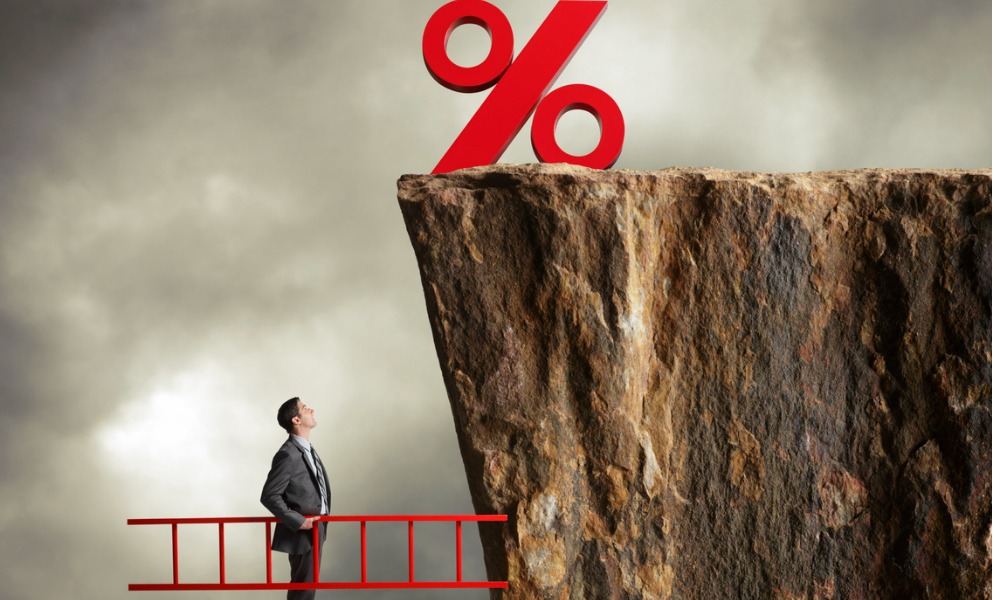
The Federal Reserve has signaled that it may delay planned interest rate cuts as inflation in the United States remains stubbornly high.
After months of speculation that rate cuts would begin early in 2026, top officials are now taking a more cautious stance. The central bank says it needs clearer evidence that inflation is fully under control before making any major policy changes.
Why This Is Big News
Interest rates in the United States influence the global economy more than any other financial tool.
When the Federal Reserve raises or holds rates:
Borrowing becomes more expensive
Consumer spending slows down
Businesses reduce expansion plans
When rates are cut, the opposite happens. That is why investors, governments, and markets around the world closely watch every signal from the Fed.
What Is Causing the Delay
Despite earlier progress, inflation in the US has not dropped as quickly as expected. Prices of key goods and services remain elevated, forcing the Federal Reserve to stay cautious.
Officials are particularly concerned about:
Persistent increases in housing costs
Strong labor market keeping wages high
Consumer spending remaining steady
These factors make it harder for inflation to fall to the Fed’s target level.
Global Impact of the Decision
The Fed’s decision is not just about the US. It affects countries all over the world, including Nigeria.
When US interest rates stay high:
The US dollar becomes stronger
Foreign investments move into the US
Emerging markets face capital outflows
For countries like Nigeria, this can put pressure on the local currency and make borrowing more expensive.
Market Reaction
Financial markets reacted quickly to the news.
Stock markets showed mixed signals as investors adjusted expectations. Some sectors, especially tech and real estate, faced pressure due to the possibility of prolonged high borrowing costs.
Meanwhile, bond yields remained elevated, reflecting uncertainty about when rate cuts will actually begin.
What Experts Are Saying
Economic analysts believe the Federal Reserve is trying to avoid making the same mistake twice.
Cutting rates too early could cause inflation to rise again, forcing even stricter measures later. As a result, the Fed is choosing patience over speed.
Some experts now predict that rate cuts may be pushed further into late 2026 if inflation does not improve significantly.
How This Affects the US Job Market
One of the biggest reasons the Federal Reserve is being cautious is the strength of the US labor market.
Despite high interest rates, unemployment remains relatively low and companies are still hiring. Wage growth has also remained steady, which is good for workers but can slow down the fight against inflation.
When people earn more and continue spending, prices tend to stay high. This creates a difficult situation for the Fed, as it tries to balance economic growth with price stability.
Impact on Businesses and Startups
High interest rates are already affecting businesses across the United States.
Companies are facing:
Higher borrowing costs for expansion
Reduced access to cheap credit
Lower consumer demand in some sectors
Startups, especially in tech, are feeling the pressure the most. Many rely on funding and investment, which becomes harder to secure when interest rates remain high.
This has led to slower growth, hiring freezes, and in some cases, layoffs across certain industries.
Housing Market Under Pressure
The US housing market is one of the most affected sectors.
Mortgage rates remain high, making it more expensive for people to buy homes. As a result:
Home sales have slowed down
First time buyers are struggling to enter the market
Rent prices remain elevated in many cities
The Federal Reserve is closely watching this sector because housing plays a major role in overall inflation.
The Dollar Effect and Global Currency Pressure
A strong US dollar is another major consequence of prolonged high interest rates.
When rates stay high, investors move their money into US assets to earn better returns. This increases demand for the dollar, making it stronger against other currencies.
For countries like Nigeria and others in emerging markets, this creates serious challenges:
Local currencies weaken
Import costs increase
Debt repayments become more expensive
This is why decisions made by the Federal Reserve often have ripple effects far beyond the United States.
Stock Market Winners and Losers
Not all sectors react the same way to high interest rates.
Some industries tend to struggle:
Technology companies that rely on future growth
Real estate firms affected by borrowing costs
Startups dependent on investor funding
At the same time, some sectors may benefit:
Banks earning higher interest margins
Energy companies benefiting from stable demand
Consumer staples that remain essential regardless of economic conditions
Investors are now shifting strategies, focusing more on stability rather than aggressive growth.
Could a Recession Still Happen
The big question many people are asking is whether the US could enter a recession.
So far, the economy has shown resilience. Consumer spending is still active, and businesses are adapting to higher costs.
However, the risk remains.
If interest rates stay high for too long, it could eventually slow down economic activity enough to trigger a downturn. This is the delicate balance the Federal Reserve is trying to manage.
What This Means for Young Entrepreneurs and Traders
For young hustlers, this moment presents both challenges and opportunities.
High interest rates mean:
It is harder to borrow money
Investments become more selective
Business costs may rise
But at the same time:
Market volatility creates trading opportunities
Strong knowledge of global trends becomes more valuable
Digital and low cost businesses gain an advantage
Understanding how global financial systems work can give you a major edge, especially in areas like forex trading, crypto, and online business.
Final InfoJet Perspective
The United States is sending a clear message to the world: controlling inflation is the priority, even if it means slowing down growth.
The Federal Reserve is choosing discipline over quick relief, and that decision will shape the global economy in the months ahead.
For those paying attention, this is more than just news. It is a signal.
Money is moving. Markets are shifting. Opportunities are changing.
And those who understand these shifts early will always be ahead of the game.
What to Watch Next
Upcoming inflation reports in the United States
Statements from Federal Reserve officials
Changes in unemployment and wage growth
Global market reactions
These factors will determine the next move by the central bank.
InfoJet Insight
This is more than just US economic news. It is a global signal.
For traders, entrepreneurs, and investors, decisions made by the Federal Reserve can influence currency values, business costs, and investment opportunities worldwide.
Understanding moves like this gives you an edge in navigating money, markets, and opportunities.
About the Author


