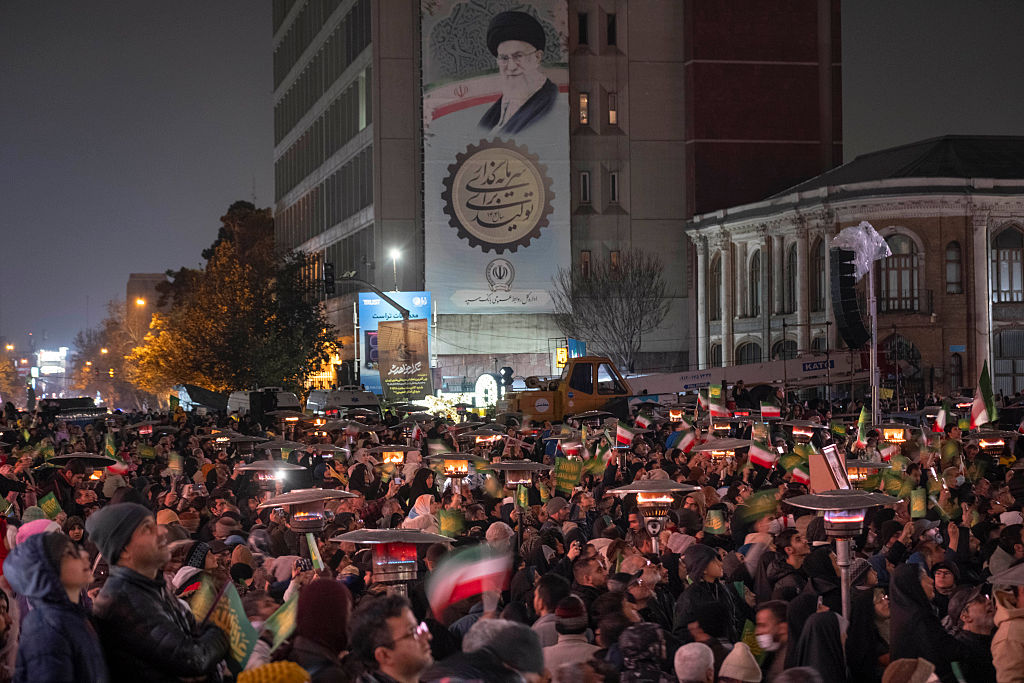
Iran is once again gripped by widespread unrest as fresh protests erupted across multiple cities, signalling deepening public anger against the country’s leadership. Despite a heavy security presence, internet restrictions, and stern warnings from authorities, demonstrators have continued to take to the streets, underscoring the scale of dissatisfaction simmering beneath the surface of Iranian society.
At InfoJet, we examine what sparked the latest protests, how the Iranian government is responding, and what this growing unrest means for the country, the region, and the international community.
What Is Happening in Iran
Reports indicate that protests flared up in major urban centers, including Tehran and other provincial cities, with crowds voicing frustration over economic hardship, inflation, unemployment, and declining living standards. What began as scattered demonstrations has evolved into broader expressions of discontent, reflecting long-standing grievances among ordinary Iranians.
Security forces were quickly deployed, checkpoints were reinforced, and public gatherings were closely monitored. Yet despite these measures, protesters persisted, chanting slogans that go beyond economic demands and touch on governance, accountability, and political freedoms.
The persistence of demonstrations shows that public anger is not easily suppressed, even under pressure.
Economic Pressure at the Heart of the Crisis
At the core of the unrest lies Iran’s fragile economy.
Years of international sanctions, currency depreciation, high inflation, and limited job opportunities have placed enormous strain on households. Prices of basic goods have surged, while wages have failed to keep pace. For many citizens, daily life has become a struggle for survival.
For younger Iranians, the frustration is even sharper. Many face limited employment prospects, restricted freedoms, and a sense that the future offers little opportunity. This combination of economic pain and social pressure has created a volatile environment.
At InfoJet, we note that economic protests in Iran often serve as a trigger, but the underlying issues tend to run much deeper.
Government Response and Security Crackdown
Iranian authorities have responded swiftly and forcefully.
Security forces increased patrols, restricted movement in sensitive areas, and warned against what they described as “illegal gatherings.” In some areas, reports suggest arrests were made as officials sought to deter further demonstrations.
The government also tightened internet and communication access, a familiar tactic used during periods of unrest. These restrictions make it difficult for protesters to organize and for information to flow freely, while also limiting the ability of the outside world to fully assess the situation on the ground.
Officials insist that stability will be maintained and have blamed foreign influence for encouraging unrest, a narrative frequently used during periods of domestic protest.
Why These Protests Matter
While protests are not new in Iran, the timing and persistence of the current demonstrations are significant.
Iran is already navigating regional tensions, international pressure, and internal political challenges. Prolonged unrest risks exposing vulnerabilities within the system and forces the leadership to balance repression with the need to avoid wider instability.
Repeated cycles of protest and crackdown also raise questions about long term governance, public trust, and the state’s ability to address citizens’ concerns through reform rather than force.
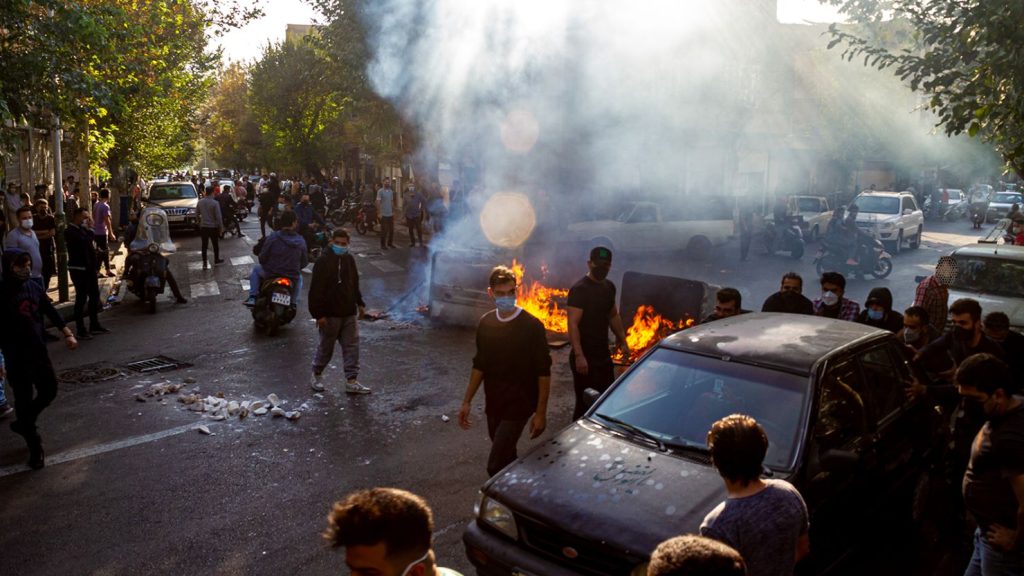
Regional and Global Implications
The situation in Iran does not exist in isolation.
Iran plays a major role in Middle Eastern geopolitics, with influence extending across Iraq, Syria, Lebanon, and beyond. Any internal instability has the potential to affect regional dynamics, energy markets, and diplomatic calculations.
For global powers, sustained protests increase uncertainty. Markets watch closely for signs of disruption to oil supply routes, while diplomats assess whether internal pressure could shift Iran’s foreign policy posture or nuclear negotiations.
At InfoJet, we emphasize that domestic unrest in Iran often carries international consequences, making developments inside the country relevant far beyond its borders.
The Role of Public Anger
One striking aspect of the current protests is the resilience of public anger.
Despite years of crackdowns, many Iranians continue to voice dissatisfaction, suggesting that grievances remain unresolved. Economic relief measures, when introduced, have often failed to restore confidence, while political reforms remain limited.
This ongoing tension between state authority and public frustration creates a cycle that repeatedly brings people back to the streets, even when risks are high.
What Happens Next
Several paths now lie ahead.
Authorities may succeed in suppressing the demonstrations through security measures and restrictions, at least temporarily. Alternatively, protests could spread further if economic conditions worsen or if a triggering event galvanizes broader participation.
International reactions will also play a role. Statements of concern, diplomatic pressure, or new sanctions could influence the government’s calculations, though such actions also risk reinforcing hardline positions.
What is clear is that the current unrest reflects structural challenges that cannot be easily resolved overnight.
InfoJet Final Take
At InfoJet, we view the latest protests in Iran as more than isolated street demonstrations. They are a signal of deep and persistent tensions between the state and large segments of society.
Economic hardship, limited opportunity, and political frustration continue to fuel cycles of unrest despite heavy security responses. Each new wave of protest highlights unresolved issues that remain beneath the surface.
For the world, Iran’s internal situation matters. It shapes regional stability, affects global energy markets, and influences diplomatic dynamics at a time of heightened international uncertainty.
As events continue to unfold, one thing is certain. The voices on Iran’s streets reflect pressures that are not easily silenced, and their impact will be felt both inside the country and beyond.
Stay informed. Stay objective.
Follow breaking global developments with InfoJet.
About the Author


