
Trump Administration Freezes About $10 Billion in Child Care Funding to Five States
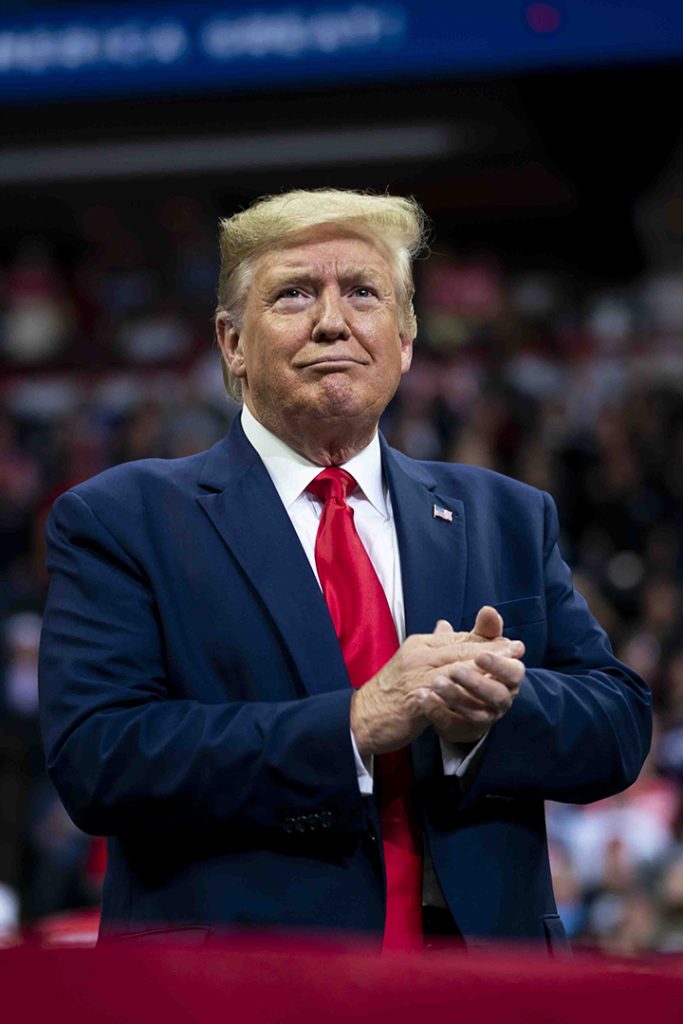
The Trump administration has taken a bold and controversial step by freezing nearly $10 billion in federal child care and social service funding to five U.S. states, triggering nationwide debate over governance, accountability, and the future of welfare support in America. The affected states, California, New York, Illinois, Minnesota, and Colorado, are all led by Democratic administrations and are among the largest recipients of federal child care and social welfare funds.
According to official statements, the funding pause is tied to an ongoing federal review into possible misuse, mismanagement, or lack of proper documentation related to how previous funds were allocated and spent. The freeze impacts several major programs that millions of low-income families rely on, including the Child Care and Development Fund (CCDF), Temporary Assistance for Needy Families (TANF), and Social Services Block Grants (SSBG).
For many families, these programs are not optional benefits but essential lifelines. They help working parents afford daycare, support unemployed or underemployed households, and provide social services for children, seniors, and people with disabilities. With funding now on hold, state officials and advocacy groups warn that child care centers could close, services may be reduced, and families could be forced to make difficult choices between work and caregiving.
The Trump administration argues that the freeze is a necessary step to ensure financial accountability and transparency. Federal agencies involved in the decision stated that the affected states failed to fully comply with documentation requests during routine audits. Officials insist that funds will be released once the states provide satisfactory explanations and financial records, emphasizing that the move is administrative rather than political.
However, critics see the situation differently. Democratic leaders from the affected states have accused the administration of using federal funding as a political tool, arguing that freezing social service funds disproportionately harms vulnerable populations rather than state governments. Some governors have labeled the action as “punitive” and warned that it could deepen inequality and economic instability, particularly for working-class families already struggling with inflation and rising living costs.
Policy analysts note that child care funding has become an increasingly sensitive issue in the U.S. economy. As more households rely on dual incomes, access to affordable child care directly affects workforce participation, productivity, and overall economic growth. A prolonged funding freeze could ripple through local economies, forcing parents, especially women, out of the labor market and putting additional strain on small businesses.
Legal challenges may also be on the horizon. Several state attorneys general are reportedly exploring whether the federal government has the authority to suspend funds without a court ruling or legislative approval. If lawsuits are filed, the issue could escalate into a major constitutional and political battle over federal-state relations.
Beyond the immediate impact, the funding freeze highlights broader ideological differences over the role of government in social welfare. Supporters of the administration view stricter oversight as a necessary reform to prevent waste and fraud, while opponents argue that essential services should not be disrupted during investigations, especially when millions of children and families are at stake.
As of now, the affected states are working to meet federal requirements and restore funding as quickly as possible. In the meantime, community organizations and child care providers are bracing for uncertainty, unsure how long they can operate without federal support.
The situation remains fluid, and its outcome could set a powerful precedent for how future administrations handle federal funding disputes. What is clear is that the decision has already ignited a national conversation about accountability, social responsibility, and the real-world consequences of political power struggles.
InfoJet will continue to monitor developments closely and provide timely updates as this story unfolds.
About the Author


