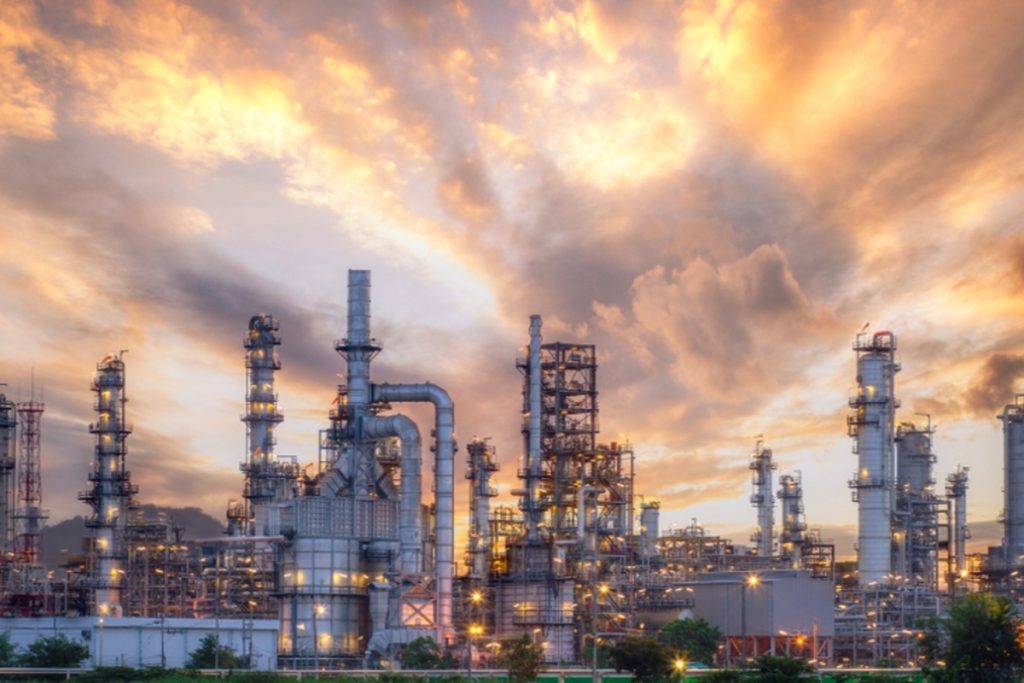
Oil Prices Explode as Middle East Tensions Put Global Energy Supply on the Brink
Global oil markets have been thrown into fresh turmoil as crude prices surge amid escalating tensions in the Middle East, reigniting fears of a major energy supply shock. The region, long considered the heartbeat of the world’s oil production, is once again at the center of global economic anxiety. As headlines worsen and uncertainty grows, traders, governments, and everyday consumers are bracing for the ripple effects of another potential energy crisis.
Oil prices did not rise quietly. They jumped aggressively as investors rushed to price in the growing risk of supply disruptions from one of the most geopolitically sensitive regions on the planet. The Middle East controls a significant share of global oil exports, and even the slightest hint of instability sends shockwaves through energy markets. This time, the fear is not hypothetical. The possibility of disrupted shipping routes, damaged infrastructure, or tighter sanctions is pushing markets into panic mode.
At the heart of the concern is the vulnerability of key oil transit routes, especially the Strait of Hormuz. This narrow waterway carries a massive portion of the world’s daily oil shipments. Any threat to its security instantly triggers alarm bells across global markets. Energy traders understand one harsh reality, when oil stops flowing smoothly through the Middle East, the entire world feels it.
Markets thrive on certainty, and right now, certainty is in short supply. The oil market is reacting not just to what has happened, but to what could happen next. History has shown that geopolitical crises rarely stay contained, and the energy sector is often the first casualty. Traders are betting that the risk of disruption is rising, and they are driving prices higher to protect themselves against worst-case scenarios.
The consequences of rising oil prices go far beyond energy companies and trading floors. Higher crude prices quickly translate into higher fuel costs, more expensive transportation, and rising production expenses for businesses. Airlines, shipping firms, and manufacturers are already feeling the pressure. For consumers, this means more pain at the pump, higher electricity bills, and increasing prices for everyday goods.
Inflation fears are also roaring back to life. Just as many economies were hoping for relief from rising living costs, higher oil prices threaten to undo that progress. Energy is a core driver of inflation, and when oil prices rise, the cost of almosteverything else follows. Food prices climb, logistics costs increase, and household budgets come under renewed stress.
Developing and import-dependent economies face the greatest danger. Many countries rely heavily on imported fuel to power their economies. When oil prices spike, their currencies weaken, trade deficits widen, and government spending comes under strain. In Africa, parts of Asia, and Latin America, higher oil prices could slow growth, worsen inflation, and increase social pressure on governments already battling economic challenges.
For oil-producing nations, the story is more complex. Higher prices bring short-term revenue gains, boosting national income and foreign reserves. However, prolonged instability in the Middle East can scare away investors and threaten long-term economic stability. Oil wealth offers protection, but geopolitical uncertainty remains a dangerous double-edged sword.
Financial markets are reacting fast. Global stock markets have turned cautious as investors reassess risk. Energy stocks are climbing, while sectors that rely heavily on fuel and transportation are under pressure. Currency markets are also shifting, with oil-exporting countries gaining strength and import-dependent nations losing ground. The global financial system is once again being reshaped by the price of crude oil
Another critical factor amplifying the situation is the tight balance between global oil supply and demand. Demand remains strong, driven by industrial activity, population growth, and energy needs across major economies. At the same time, production growth outside the Middle East has been limited. This lack of excess supply leaves the market dangerously exposed to geopolitical shocks. There is little room for error, and markets know it.
Central banks are now watching oil prices closely. Rising energy costs make it harder to control inflation, potentially delaying interest rate cuts or forcing policymakers to keep borrowing costs high. This creates a chain reaction across economies, slowing investment, weakening consumer confidence, and raising fears of prolonged economic pressure.
The psychological impact of Middle East instability cannot be underestimated. Energy markets are shaped as much by perception as by physical supply. Fear alone can push prices higher, and fear is currently dominating market sentiment. Each new development, statement, or rumor has the power to move prices dramatically within hours.
Looking ahead, oil prices are expected to remain volatile. Any escalation in tensions could trigger further price spikes, while signs of diplomatic progress may bring temporary relief. However, analysts warn that the current environment is fragile. The global energy system is walking a tightrope, and one misstep could send prices soaring even higher.
In the bigger picture, this crisis highlights a long-standing global vulnerability, the world’s heavy dependence on oil from politically unstable regions. Despite years of talk about energy diversification and renewables, oil remains a lifeline for the global economy. When the Middle East shakes, the world trembles.
In conclusion, the explosive rise in oil prices is more than just a market reaction, it is a warning signal. It reflects deep fears about energy security, economic stability, and geopolitical risk. For governments, businesses, and consumers alike, the message is clear. As Middle East tensions intensify, the global economy stands exposed, and the price of oil remains one of the most powerful forces shaping our world today.
About the Author


