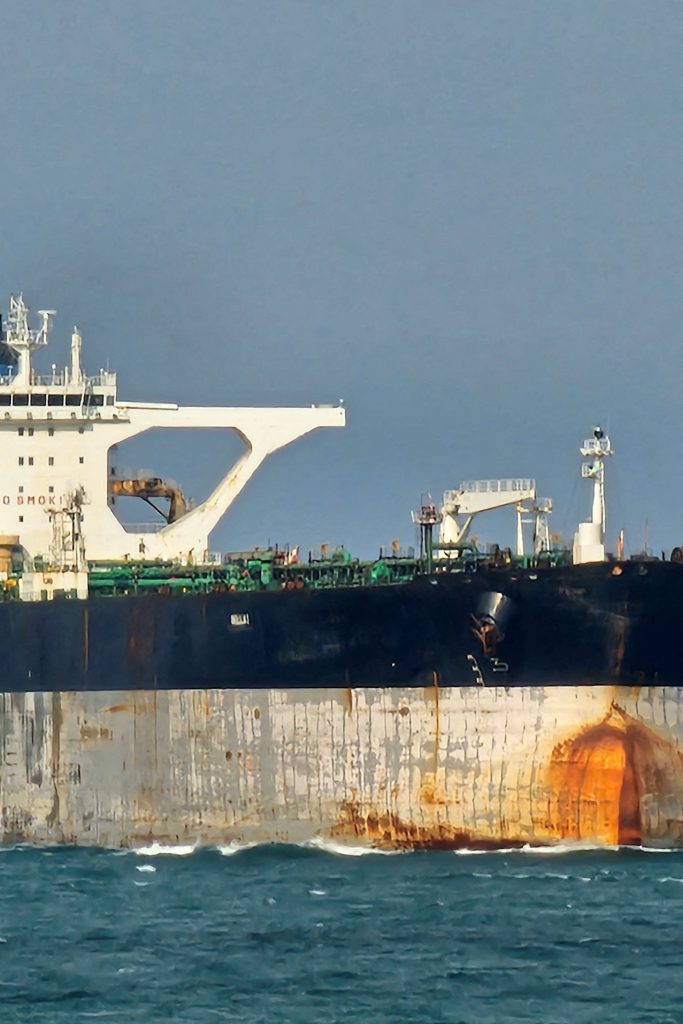
U.S. Intercepts and Seizes Russian Oil Tanker in Atlantic Following Weeks-Long Pursuit
The global geopolitical landscape entered a new phase of tension after the United States confirmed it had intercepted and seized a Russian oil tanker in the Atlantic Ocean following a weeks-long pursuit. The dramatic operation, carried out far from U.S. shores, has sent shockwaves across global energy markets, diplomatic circles, and international shipping routes. At a time when the world is already grappling with economic uncertainty, inflationary pressures, and ongoing conflicts, this latest move signals a tougher and more aggressive approach to sanctions enforcement.
According to U.S. officials, the tanker was suspected of violating international sanctions imposed on Russia’s energy exports. Authorities believe the vessel had been attempting to evade detection by using deceptive shipping practices, including altering tracking data and changing its destination multiple times while navigating international waters. After weeks of monitoring and intelligence coordination, U.S. forces moved in to intercept the tanker, ultimately taking control of the ship and its cargo.
From Washington’s perspective, the seizure represents a clear message: sanctions are not symbolic, and any attempt to bypass them will face direct consequences. U.S. officials argue that oil revenues remain a critical lifeline for Russia’s economy, helping to fund military operations and sustain government spending amid ongoing global isolation. By targeting tankers suspected of sanctions evasion, the U.S. aims to cut off these revenue streams and reinforce the credibility of international economic pressure.
However, the move has also raised serious questions about escalation. Moscow has strongly condemned the seizure, describing it as an “illegal act” and a violation of international maritime norms. Russian officials warn that such actions could provoke retaliatory measures and further destabilize global trade routes. While no immediate military response has been announced, analysts say the incident adds another layer of strain to already fragile U.S.–Russia relations.
For global energy markets, the implications are significant. Oil prices reacted swiftly to the news, with traders factoring in the risk of tighter supply and increased disruption to shipping lanes. Even the perception of instability in energy transport can trigger price volatility, affecting everything from fuel costs to food prices worldwide. For developing economies and energy-importing nations, such price swings can deepen economic hardship and fuel inflation.
Shipping companies and insurers are also closely watching the situation. The seizure underscores the growing risks faced by vessels operating in geopolitically sensitive environments. Insurers may raise premiums for ships linked to sanctioned countries, while shipping firms could become more cautious, rerouting vessels or avoiding certain regions altogether. These adjustments, while aimed at reducing risk, often come with higher operational costs that are eventually passed down to consumers.
Beyond economics, the incident highlights the evolving nature of global enforcement. Unlike traditional sanctions, which rely heavily on paperwork and financial restrictions, this operation demonstrates a willingness to use physical interception to enforce international rules. Experts say this could set a precedent, encouraging other nations to take similar actions against vessels suspected of illegal trade. While proponents argue this strengthens global accountability, critics fear it could blur the lines between law enforcement and military confrontation.
The timing of the seizure is also noteworthy. It comes amid heightened global tensions, including conflicts in Eastern Europe and the Middle East, as well as rising competition between major powers. In such an environment, even isolated incidents can have outsized consequences. A single tanker seizure can become a symbol of broader power struggles, shaping narratives and influencing diplomatic negotiations far beyond the immediate event.
For ordinary citizens around the world, the story may feel distant, yet its effects are often felt at home. Rising fuel prices impact transportation, electricity costs, and the price of everyday goods. Governments facing public pressure over living costs may be forced to intervene with subsidies or policy adjustments, further straining national budgets. In this way, a single action on the high seas can ripple through households thousands of miles away.
International legal experts are also weighing in on the long-term implications. While the U.S. maintains that the seizure was conducted in line with international law and sanctions frameworks, differing interpretations could spark legal disputes in international courts. Such cases, often slow and complex, can prolong uncertainty and keep the issue in the global spotlight for months or even years.
As the world watches closely, one thing is clear: the seizure of the Russian oil tanker is more than just a maritime incident. It represents a shift toward stricter enforcement, heightened geopolitical risk, and a more confrontational global environment. Whether this move succeeds in deterring sanctions evasion or instead of fuel, further escalation remains to be seen.
At InfoJet, we continue to track this developing story and its global implications. From energy markets to international diplomacy, the seizure serves as a reminder that in today’s interconnected world, actions taken on the ocean can shape economies, alliances, and everyday life across continents.
About the Author


