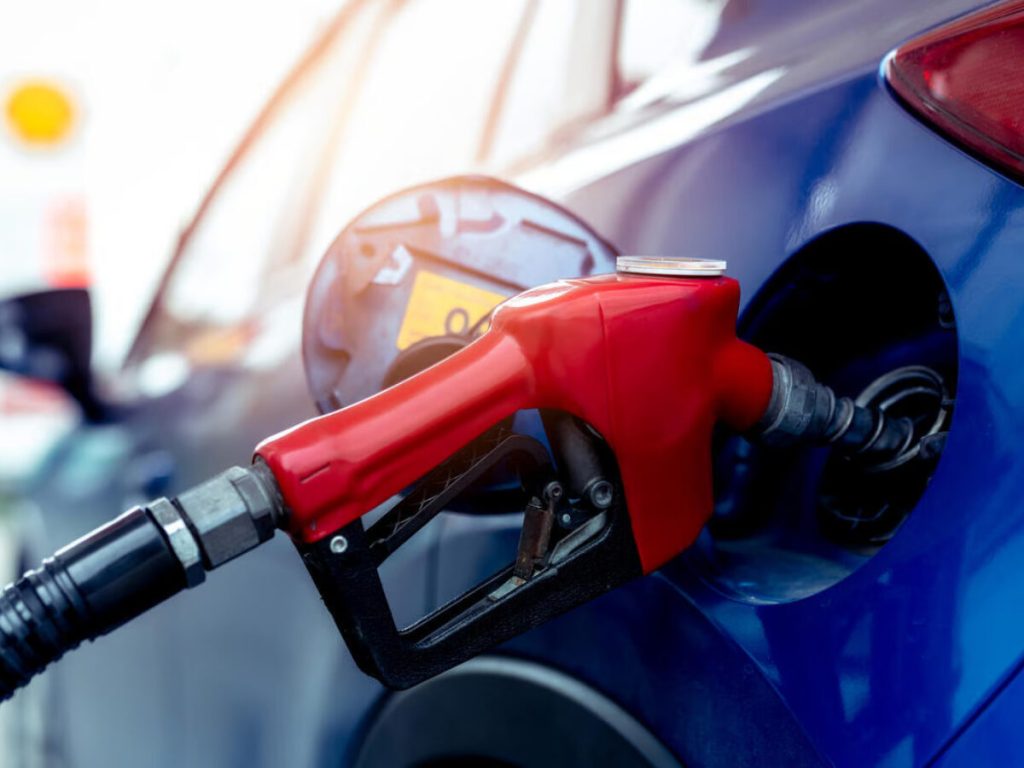
Fuel Price Increase in Nigeria Today: What It Means for Citizens
At InfoJet, we closely monitor economic developments that directly affect the lives of Nigerians, and few issues have a broader and more immediate impact than fuel prices. Today’s fuel price increase is not just another headline, it is a development with far-reaching consequences for households, businesses, and the overall economy. From transportation costs to food prices, electricity generation, and small business survival, the ripple effects of rising petrol prices are felt across every sector of Nigerian society.
Over the past few years, Nigerians have become increasingly familiar with frequent adjustments in the price of Premium Motor Spirit (PMS), commonly known as petrol. However, the latest increase has reignited public debate and concern, as many citizens struggle to cope with rising living costs amid inflation, currency pressure, and slow income growth. For many families, fuel expenses are no longer a manageable part of monthly budgets but a major financial burden.
Understanding the Current Fuel Price Increase
The recent increase in fuel prices across Nigeria is largely the result of structural changes in the country’s energy and economic policy framework. Since the removal of fuel subsidies, petrol prices are no longer fixed or heavily controlled by the government. Instead, they are influenced by market forces such as global crude oil prices, foreign exchange rates, import costs, logistics, and distribution expenses.
Nigeria, despite being Africa’s largest oil producer, still relies significantly on imported refined petroleum products. This dependence means that fluctuations in global oil markets and the value of the naira against major currencies directly affect the final pump price Nigerians pay. When crude oil prices rise internationally or the naira weakens, the cost of importing fuel increases—and these costs are ultimately transferred to consumers.
At InfoJet, our analysis shows that fuel price volatility has become the new normal rather than an exception. Without a fully self-sufficient refining system operating at optimal capacity, Nigeria remains exposed to external economic shocks that make fuel pricing unpredictable.
Why Fuel Prices Matter So Much in Nigeria
Fuel plays a central role in Nigeria’s economy in a way that goes beyond transportation. Unlike many countries with stable electricity supply, millions of Nigerians depend on petrol and diesel generators for daily power needs. This means fuel prices affect not just mobility but also electricity access, business productivity, healthcare delivery, and even education.
When petrol prices rise:
- Transport operators increase fares.
- Food prices go up due to higher logistics and distribution costs.
- Small businesses face higher operating expenses.
- Households spend more on power generation.
- Inflationary pressure intensifies across the economy.
In essence, fuel is a foundational input in Nigeria’s economic system. Any increase, no matter how small, creates a chain reaction that touches nearly every aspect of daily life.
Impact on Transportation and Mobility
One of the most immediate effects of a fuel price increase is seen in the transportation sector. Commercial bus drivers, taxi operators, ride-hailing drivers, and logistics companies all depend heavily on petrol. As fuel costs rise, transport fares inevitably follow.
For commuters, this means spending a larger portion of their income just to get to work, school, or markets. In urban centers like Lagos, Abuja, Port Harcourt, and Onitsha, daily commuting costs have become a major financial concern. In rural areas, where transport options are limited, fuel price hikes often lead to reduced mobility and higher costs for accessing basic services.
At InfoJet, we observe that rising transport costs disproportionately affect low-income earners, who already spend a significant share of their income on transportation. For these households, even a modest increase in fuel prices can significantly reduce disposable income and overall quality of life.
Food Prices and the Cost of Living
Fuel price increases also have a direct impact on food prices. Nigeria’s food supply chain relies heavily on road transportation, from farms to markets and from wholesalers to retailers. As transport costs rise, traders pass these expenses on to consumers.
Staple foods such as rice, beans, yam, garri, vegetables, and cooking oil become more expensive, further stretching household budgets. This is particularly concerning in a country where food inflation has already been a major challenge. Rising fuel prices add another layer of pressure, making basic nutrition less affordable for many families.
At InfoJet, we note that this trend increases the risk of food insecurity, especially for vulnerable populations. When fuel prices rise, the effects are not limited to urban consumers—farmers also face higher costs for transporting produce, purchasing inputs, and running machinery.
Impact on Small Businesses and the Informal Economy
Nigeria’s economy is largely driven by small and medium-sized enterprises (SMEs) and the informal sector. From roadside vendors to small manufacturing outfits, many businesses rely on petrol-powered generators to operate due to unreliable electricity supply.
A fuel price increase means higher operating costs for these businesses. For some, this leads to reduced profit margins; for others, it forces price increases that customers may not be able to afford. In worst-case scenarios, businesses shut down entirely, leading to job losses and reduced economic activity.
At InfoJet, our assessment shows that repeated fuel price hikes can weaken entrepreneurship, discourage new business formation, and slow economic growth. For an economy seeking expansion and job creation, this is a serious concern.
Government Perspective and Policy Debate
From the government’s perspective, fuel subsidy removal and market-based pricing are seen as necessary reforms. Subsidies, while popular, were costly and often criticized for inefficiency, corruption, and benefiting a small segment of society disproportionately. Ending subsidies, according to policymakers, frees up funds for infrastructure, healthcare, education, and social programs.
However, critics argue that the savings from subsidy removal have not yet translated into visible improvements in public services. As a result, many Nigerians feel they are paying more for fuel without receiving adequate compensation in terms of better roads, power supply, or social welfare.
At InfoJet, we believe this disconnect lies at the heart of public frustration. Economic reforms, while potentially beneficial in the long term, must be accompanied by clear communication, transparency, and tangible improvements in citizens’ daily lives.
The Role of Local Refining and Energy Alternatives
One of the key long-term solutions to Nigeria’s fuel price challenges is increased local refining capacity. Functional refineries reduce dependence on imports, lower exposure to foreign exchange fluctuations, and can stabilize fuel supply.
In addition, the promotion of alternative energy sources such as compressed natural gas (CNG), electric mobility, and renewable energy offers potential pathways to reduce reliance on petrol over time. However, transitioning to these alternatives requires significant investment, infrastructure development, and policy support.
At InfoJet, we see energy diversification as essential to reducing the economic shock of fuel price increases. Without it, Nigerians will continue to bear the brunt of global market volatility.
What Citizens Can Expect Going Forward
Looking ahead, fuel prices in Nigeria are likely to remain sensitive to global oil trends, exchange rates, and domestic supply conditions. Short-term stability may occur at times, but long-term certainty will depend on structural reforms, improved refining capacity, and economic diversification.
Citizens should expect:
- Continued price fluctuations rather than fixed pricing.
- Ongoing adjustments in transport and food costs.
- Increased pressure on household budgets.
- Policy debates around energy reform and social protection.
InfoJet Final Take
At InfoJet, our final take is clear: the fuel price increase in Nigeria today is more than an economic statistic—it is a lived reality affecting millions of people. While policy reforms may aim to strengthen the economy in the long run, their success will ultimately be judged by how well they protect citizens from hardship and improve everyday living conditions.
Fuel pricing must be addressed alongside broader issues such as income growth, power supply, transportation infrastructure, and social safety nets. Without a holistic approach, fuel price increases risk deepening inequality and economic stress.
As the situation evolves, InfoJet remains committed to providing accurate reporting, balanced analysis, and clear explanations to help Nigerians understand not just what is happening, but why it matters.
Stay with InfoJet, your trusted source for news that explains the story behind the headlines.
About the Author


