Trump to Lead Record U.S. Delegation at Davos 2026 – Implications for Global Finance, Markets, and Investment
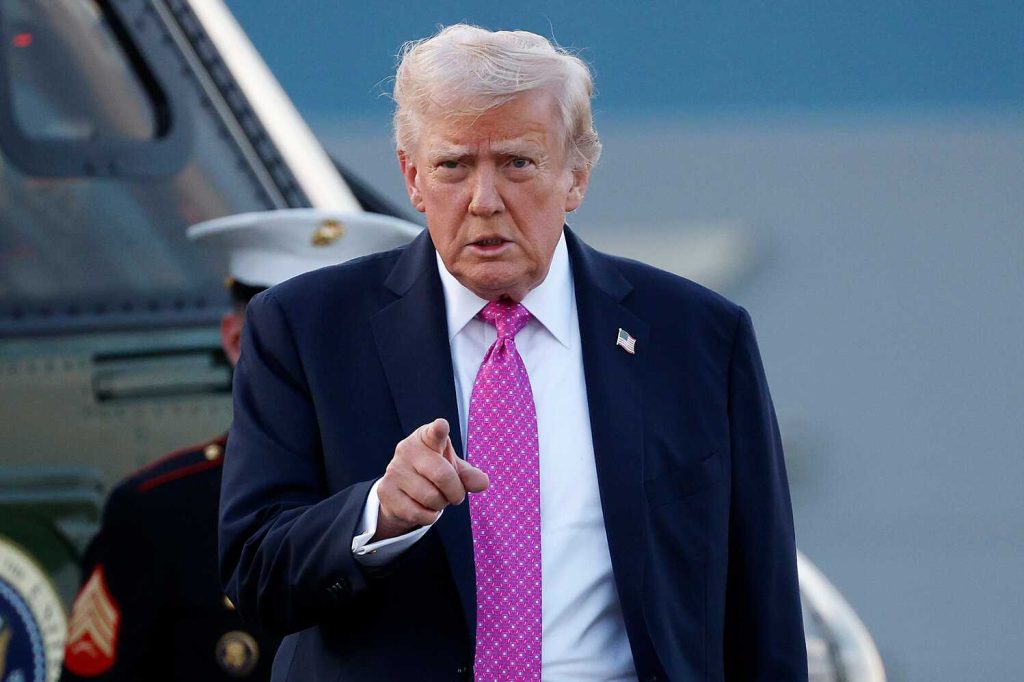
In a historic and highly anticipated development, U.S. President Donald Trump is set to attend the World Economic Forum (WEF) in Davos, Switzerland, next week, heading the largest-ever U.S. delegation in the history of the summit. InfoJet reports that this delegation includes key Cabinet secretaries, top advisors, senior officials, and influential policymakers, marking a bold statement of U.S. intent to actively shape global economic discussions in 2026. The unprecedented scale of the delegation underscores the country’s strategic commitment to ensuring its influence on trade, investment, and financial policy discussions, while also reinforcing its leadership role in global governance.
The World Economic Forum, commonly referred to as “Davos,” is far more than an annual meeting of political and corporate elites. Established in 1971, the forum has grown into a pivotal global platform for dialogue on economic, social, and environmental challenges. Over the decades, it has served as a venue for governments, multinational corporations, international organizations, and thought leaders to discuss pressing issues, share strategies, and collaborate on solutions with far-reaching consequences. As InfoJet emphasizes, Davos is not just a conference—it is a global economic barometer, influencing investment flows, trade policies, market sentiment, and financial strategies worldwide.
This year, the forum is expected to bring together representatives from over 130 countries, including roughly 850 CEOs and 64 heads of state, making it one of the most influential gatherings in recent history. The size and composition of the U.S. delegation are particularly significant. By sending the largest contingent in history, the United States signals both a renewed commitment to multilateral engagement and a determination to shape global discussions on trade, economic stability, energy, technology, and sustainability.
Trump’s Participation and Its Strategic Significance
Trump’s leadership at Davos is strategically important for several reasons. Firstly, it sends a message of U.S. economic strength and leadership at a time when global markets are navigating geopolitical tensions, inflationary pressures, and post-pandemic economic adjustments. Secondly, the delegation’s presence ensures that American priorities are actively represented in discussions that could set the stage for policy frameworks and international agreements affecting trade, taxation, technology regulation, and investment flows.
InfoJet analysts highlight that Trump’s presence may directly impact investor sentiment and global markets. Historically, statements and policy cues from U.S. leaders at Davos have influenced equity markets, bond yields, foreign exchange rates, and commodity prices, often triggering adjustments in portfolio allocations by institutional investors, hedge funds, and sovereign wealth funds. For 2026, these dynamics are particularly critical given heightened global uncertainty and volatility across sectors such as energy, technology, and finance.
Historical Context and Lessons from Past Davos Summits
To understand the potential significance of Trump’s participation, it is essential to consider the history of U.S. engagement at Davos. Past summits have seen American presidents, finance ministers, and CEOs shape discussions on trade liberalization, global monetary policy, technology innovation, and sustainability initiatives. For example, during the 2018 and 2019 Davos sessions, U.S. participation helped steer conversations on digital trade, corporate taxation, and climate finance, directly influencing investor confidence and cross-border investment flows. InfoJet notes that these precedents underscore how participation by high-level delegations can signal policy intentions and market priorities to the global financial community.
Sectoral Implications of the U.S. Delegation at Davos 2026
InfoJet analysis identifies several key sectors likely to be impacted by the discussions and policy cues emerging from Davos:
- Financial Services and Banking: Statements from Trump and U.S. officials regarding regulatory priorities, banking policies, and cross-border investment rules could influence financial markets globally. Investors will pay attention to indications of potential reforms, trade-related policy shifts, or economic stimulus measures.
- Technology and Innovation: Discussions on AI, cybersecurity, fintech, and digital trade regulations are expected to feature prominently. InfoJet predicts that any U.S. commitments or policy clarifications could accelerate investment flows in tech startups, multinational corporations, and innovation hubs.
- Energy and Commodities: Given ongoing volatility in oil, gas, and renewable energy markets, U.S. policy stances and international collaboration discussions could directly affect global commodity prices and supply chain stability.
- Trade and Global Supply Chains: Any signals regarding trade agreements, tariffs, or strategic partnerships may influence cross-border commerce, affecting exporters, importers, and multinational corporations operating in key markets.
- Sustainability and ESG Investments: Climate initiatives, carbon policies, and ESG frameworks discussed at Davos are increasingly shaping institutional investment decisions. InfoJet notes that announcements on sustainability commitments may alter long-term capital allocation trends.
Market Outlook and Investor Guidance
InfoJet emphasizes that investors, business leaders, and policymakers should closely monitor Davos developments. Key areas to watch include:
- Policy Statements: U.S. leadership statements can influence global risk sentiment, investor confidence, and capital allocation strategies.
- Corporate Strategies: Multinational corporations often use Davos to unveil expansion plans, mergers and acquisitions, and investment priorities, which can affect sector performance.
- Macroeconomic Indicators: Discussions on inflation, interest rates, and monetary policy could signal trends for equities, fixed income, and FX markets.
- Sustainability Focus: ESG-related initiatives can impact long-term valuations and sector attractiveness, particularly for institutional investors.
InfoJet Insights for 2026
InfoJet’s experts predict that Trump’s participation, coupled with the largest-ever U.S. delegation, will create market-moving narratives across finance, technology, energy, and trade. Investors should anticipate short-term volatility as policy signals emerge, while businesses should evaluate potential long-term implications for investment strategy, supply chains, and risk management. Moreover, the forum provides an opportunity to assess global sentiment and identify emerging trends that could affect economic growth, capital flows, and sectoral performance in the year ahead.
Conclusion
In summary, President Donald Trump’s leadership of the U.S. delegation at Davos 2026 represents a pivotal moment for global finance, policy, and investment outlooks. The scale of the delegation, the strategic agenda, and the high-profile nature of the forum underscore the importance of U.S. engagement in shaping the global economic agenda. InfoJet will continue to provide timely updates, expert analysis, and actionable insights on developments at Davos, ensuring that our readers are equipped to navigate the evolving landscape of international finance, markets, and investment opportunities.
As InfoJet emphasizes, Davos is more than a summit, it is a global financial compass, influencing markets, investments, and economic policies around the world. For investors, business leaders, and policymakers, the discussions and decisions made in Davos 2026 are likely to shape financial realities well into the future. InfoJet will provide comprehensive coverage to ensure that you stay informed and ahead of market trends.
About the Author


