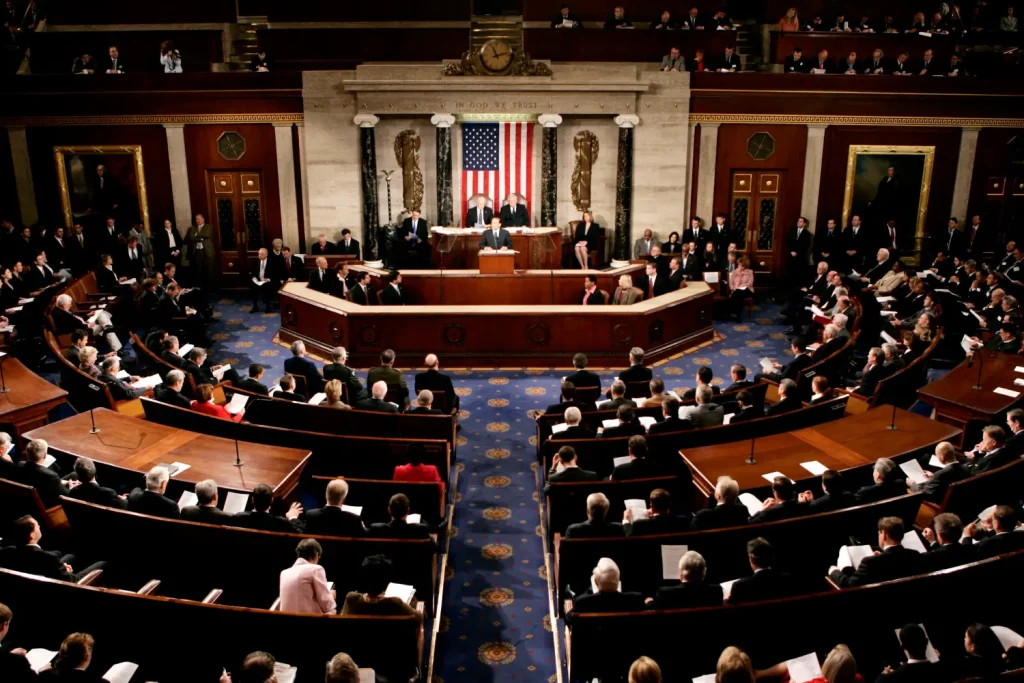
US Senators Move to Block Trump’s Greenland Ambitions.
What It Means for Global Politics?
At InfoJet, we stay committed to bringing you the most important developments shaping global politics, economics, and security. Today, we focus on a significant move in U.S. politics: a bipartisan group of U.S. senators has introduced legislation aimed at blocking former President Donald Trump’s ambitions regarding Greenland. This development may seem unusual at first glance, but its implications extend far beyond the Arctic region, touching on international relations, U.S. politics, and global strategic dynamics.
Greenland, the world’s largest island, is a self-governing territory under the Kingdom of Denmark. It is rich in natural resources, strategically positioned near the Arctic, and increasingly significant in global geopolitics due to climate change and the opening of new shipping routes. Over the past few years, President Trump made headlines by suggesting that the United States could acquire Greenland, framing it as a strategic and economic opportunity. These statements were met with firm rejection from both Greenlandic and Danish authorities, emphasizing that Greenland is not for sale.
In response to these proposals, a bipartisan group of senators introduced the “NATO Unity Protection Act,” a bill designed to prevent the use of U.S. government funds for any attempt to annex, occupy, or otherwise seize Greenland. The legislation reflects a united front in Congress, emphasizing respect for international law, NATO obligations, and diplomatic norms. It is a clear message that any unilateral move to acquire territory without consent will face strong legal and political obstacles.
Why this matters:
- Strategic Significance of Greenland: Greenland is located at a pivotal point in the Arctic. As the ice melts, new shipping lanes and access to untapped natural resources are becoming increasingly valuable. Control over Greenland could potentially shift military and economic power balances in the Arctic region.
- U.S. Domestic Politics: The bill highlights the bipartisan nature of opposition to controversial foreign policy actions. Even within the U.S., there is recognition that international norms and alliances, particularly NATO, commitments must guide such decisions.
- Global Repercussions: The Arctic has become a region of competition among the U.S., Russia, China, and European countries. Any attempt to unilaterally acquire Greenland could have sparked tensions not only with Denmark but also with other nations invested in Arctic stability. This bill sends a signal to the global community that the U.S. Congress is ready to uphold diplomacy and multilateral agreements.
Key reactions so far:
Denmark and Greenland have firmly rejected any sale or annexation, reiterating Greenland’s sovereignty and self-determination.
Political analysts note that this legislative move, even if symbolic at this stage, underscores Congress’s willingness to intervene in foreign policy if executive ambitions threaten international norms.
Public interest in the Arctic is growing, as climate change, mineral resources, and strategic military positioning bring new global focus to the region.
For InfoJet readers, this story is more than just an unusual political headline. It reflects how U.S. domestic decisions intersect with international diplomacy and how the global balance of power can be influenced by seemingly unexpected proposals. It’s a reminder that geopolitical developments, even those involving remote regions like Greenland, can ripple across continents, impacting economics, security, and alliances.
As this bill progresses through Congress, we will continue to monitor updates, providing you with accurate, timely, and detailed insights into what this could mean for global politics and strategic interests. For investors, policymakers, and international observers, this is a developing story worth watching closely.
Stay informed with InfoJet, your go-to source for breaking global developments, in-depth analysis, and actionable insights.
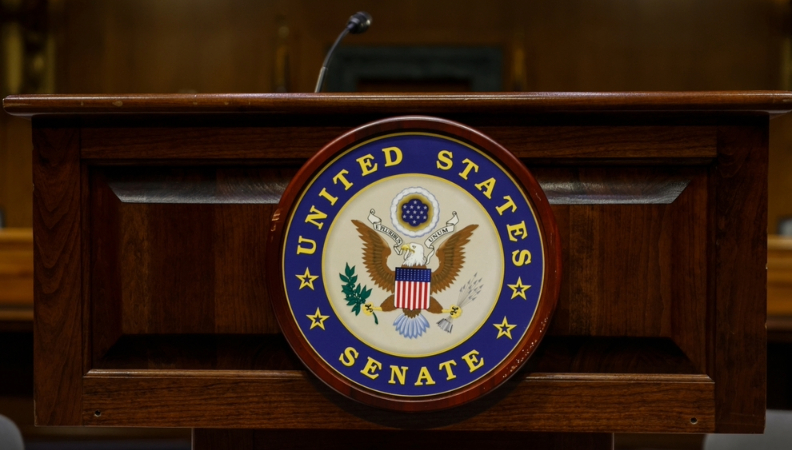
The introduction of the “NATO Unity Protection Act” highlights the active role of the U.S. Senate in shaping foreign policy. While the executive branch, led by the President, has traditionally driven international strategy, the Senate plays a critical oversight role, particularly in matters involving funding, military action, and treaty obligations. By proposing this legislation, senators are asserting Congress’s constitutional authority to regulate government spending and ensure that unilateral executive actions do not violate international law or jeopardize U.S. alliances.
This bipartisan effort comes at a time when the Senate is increasingly attentive to global security risks. Senators sponsoring the bill have emphasized that Greenland, as part of the Kingdom of Denmark, is a valued partner in NATO and a strategically significant territory in the Arctic. Any attempt to forcibly acquire it could undermine decades of diplomatic relations, NATO cohesion, and global trust in U.S. leadership. By introducing legislation, senators are sending a strong message: Congress will act decisively to prevent actions that could destabilize key international relationships.
The Senate’s involvement also underscores the importance of checks and balances in U.S. governance. In the U.S. system, the executive branch cannot unilaterally authorize military operations or foreign acquisitions that require funding. Through this bill, senators are exercising their power of the purse—a fundamental tool that enables Congress to influence foreign policy, regulate military expenditures, and ensure accountability at the highest levels. This is particularly significant in controversial cases, where the potential for international conflict or diplomatic fallout is high.
Moreover, the bill demonstrates a rare alignment across party lines in the Senate. In recent years, foreign policy issues have often been deeply polarized; yet, Greenland has emerged as a point of shared concern. Democratic and Republican senators alike recognize the broader implications of any attempt to claim the territory and are prioritizing international norms over partisan interests. This rare bipartisan cooperation reflects a shared understanding of the Senate’s role in maintaining global stability and protecting U.S. credibility.
Reporter: Onyeka Evans
About the Author


