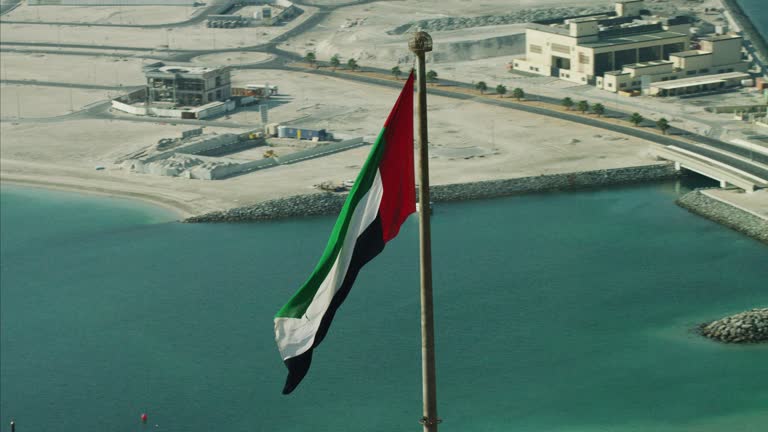
The World Bank’s projection that the United Arab Emirates (UAE) economy will grow by around 5% in 2026 sends a powerful signal to global markets, investors, and policymakers: the UAE is steadily reinforcing its position as one of the most resilient and forward-looking economies in the Middle East and beyond. At a time when many countries are grappling with inflation pressures, geopolitical tensions, slowing global trade, and financial market volatility, the UAE’s economic outlook stands out as a case study in strategic planning, diversification, and long-term vision.
At InfoJet, we break down what this forecast really means, why the World Bank is confident in the UAE’s trajectory, and how this growth could reshape business, investment, and opportunity across the region.
A Vote of Confidence from the World Bank
The World Bank’s growth projections are closely watched because they reflect a comprehensive assessment of macroeconomic stability, fiscal policy, structural reforms, and global economic conditions. A projected 5% growth rate for the UAE in 2026 is not just a number—it represents international confidence in the country’s economic framework and its ability to adapt in a rapidly changing global environment.
This forecast suggests that the UAE is expected to outperform many advanced and emerging economies, especially as global growth remains uneven. It also underscores the country’s success in managing risks while capitalizing on new growth drivers.
Diversification Beyond Oil Remains Central
One of the most critical factors behind the UAE’s projected growth is its continued commitment to economic diversification. While oil and gas still play an important role in national revenue, the UAE has spent years deliberately reducing its dependence on hydrocarbons.
Key non-oil sectors driving growth include:
Tourism and hospitality, supported by global events, expanding airline networks, and luxury infrastructure
Trade and logistics, leveraging the UAE’s strategic geographic position between Asia, Europe, and Africa
Financial services, with Dubai and Abu Dhabi strengthening their roles as regional financial hubs
Real estate and construction, fueled by population growth, foreign investment, and mega-projects
Technology and innovation, especially in fintech, AI, renewable energy, and digital services
This diversified economic base allows the UAE to remain stable even when oil prices fluctuate or global energy markets face uncertainty.
Strong Policy Framework and Fiscal Discipline
Another reason behind the World Bank’s positive outlook is the UAE’s sound fiscal management. Over the years, the country has maintained prudent government spending, built strong sovereign wealth funds, and implemented reforms designed to enhance transparency and efficiency.
Initiatives such as corporate tax reforms, updated business regulations, and streamlined licensing processes have strengthened investor confidence. These policies are not only designed to boost revenue but also to create a more sustainable and competitive business environment aligned with global standards.
Foreign Investment Continues to Flow In
Foreign direct investment (FDI) remains a major pillar of the UAE’s economic strength. The country’s investor-friendly policies, political stability, and advanced infrastructure continue to attract capital from around the world.
Free zones, 100% foreign ownership in many sectors, long-term residency options such as the Golden Visa, and modern legal frameworks have made the UAE one of the most attractive destinations for global entrepreneurs and multinational corporations.
The World Bank’s projection reinforces this trend, as growth forecasts often influence where investors choose to allocate capital in the coming years.
The Role of Innovation and the Digital Economy
Innovation is increasingly central to the UAE’s growth strategy. Government-backed initiatives in artificial intelligence, blockchain, smart cities, and clean energy are positioning the country at the forefront of the digital economy.
Major investments in renewable energy projects, data centers, and technology startups are expected to contribute significantly to economic output by 2026. These sectors not only generate revenue but also create high-skilled jobs and foster long-term competitiveness.
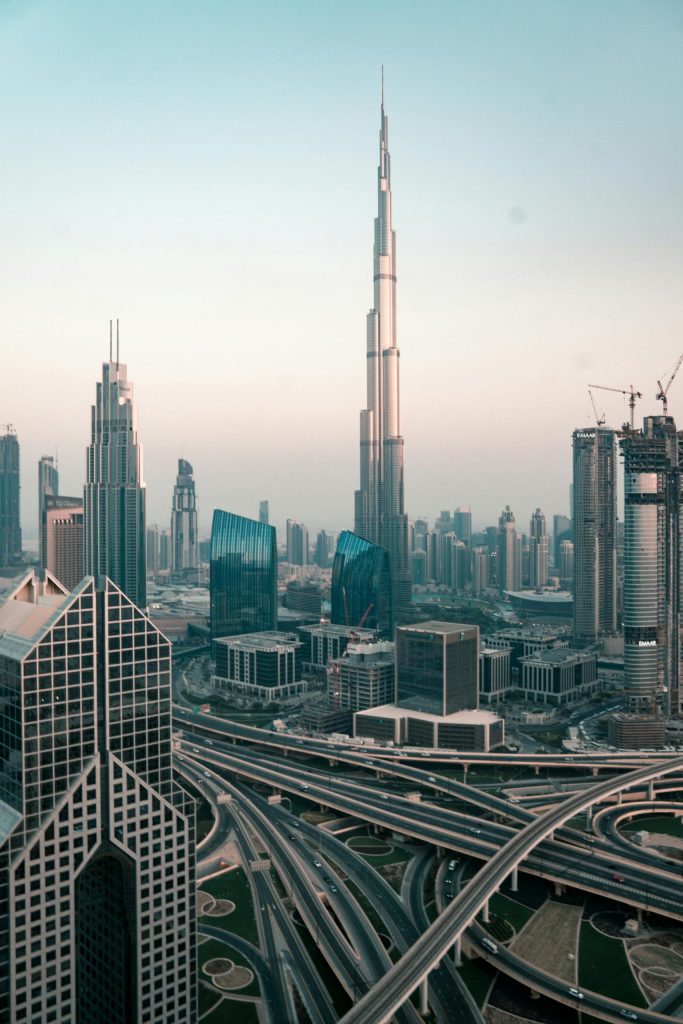
The World Bank’s outlook reflects confidence that these innovation-driven sectors will continue to mature and scale, supporting sustainable growth.
Tourism, Aviation, and Global Connectivity
Tourism and aviation remain powerful engines of economic expansion. With world-class airlines, expanding airports, and aggressive tourism strategies, the UAE continues to draw millions of visitors annually.
Mega-events, cultural initiatives, and business conferences have helped position cities like Dubai and Abu Dhabi as global destinations for both leisure and commerce. This steady inflow supports hospitality, retail, transport, and small businesses, creating a multiplier effect across the economy.
Resilience Amid Global Uncertainty
Perhaps the most striking aspect of the World Bank’s projection is its emphasis on resilience. The global economy faces persistent challenges, including geopolitical conflicts, supply chain disruptions, climate-related risks, and shifting trade dynamics.
The UAE’s ability to navigate these uncertainties is rooted in:
Strong foreign exchange reserves
A stable currency peg
Proactive economic planning
Strategic international partnerships
These factors help cushion external shocks and ensure continuity in growth, even during periods of global instability.
What This Means for Businesses and Entrepreneurs
For businesses operating in or looking to enter the UAE market, a projected 5% growth rate presents significant opportunities. Expanding consumer demand, infrastructure development, and digital transformation create fertile ground for startups, SMEs, and multinational firms alike.
Sectors such as fintech, e-commerce, logistics, health technology, education, and renewable energy are particularly well-positioned to benefit from the country’s growth momentum.
Entrepreneurs can also leverage government-backed funding programs, innovation hubs, and accelerator initiatives designed to support business expansion.
Regional and Global Implications
The UAE’s strong growth outlook has implications beyond its borders. As a major trade, finance, and logistics hub, economic expansion in the UAE often boosts activity across the wider Middle East, Africa, and South Asia.
A growing UAE economy strengthens regional supply chains, increases capital flows, and enhances cross-border collaboration in trade, technology, and infrastructure.
Looking ahead to 2026
While projections are not guarantees, the World Bank’s forecast highlights the UAE’s solid fundamentals and forward-looking strategy. Continued reforms, investment in human capital, and a focus on sustainability will be critical in translating projected growth into long-term prosperity.
Challenges remain, including global economic volatility and the need to balance rapid development with environmental sustainability. However, the UAE’s track record suggests it is well-equipped to manage these pressures.
InfoJet Takeaway
At InfoJet, we view the World Bank’s 5% growth projection for the UAE in 2026 as more than optimistic forecasting—it is a reflection of deliberate economic engineering, strategic diversification, and institutional resilience.
As global uncertainty persists, the UAE’s ability to maintain strong growth reinforces its status as a safe haven for investment, innovation, and business expansion. For investors, policymakers, and entrepreneurs, this forecast offers a clear message: the UAE is not just surviving global economic shifts—it is positioning itself to lead in the next phase of global growth.
Stay with InfoJet for in-depth analysis, data-driven insights, and timely updates on the forces shaping economies, markets, and businesses worldwide.
Reporter: Onyeka Evans
About the Author


