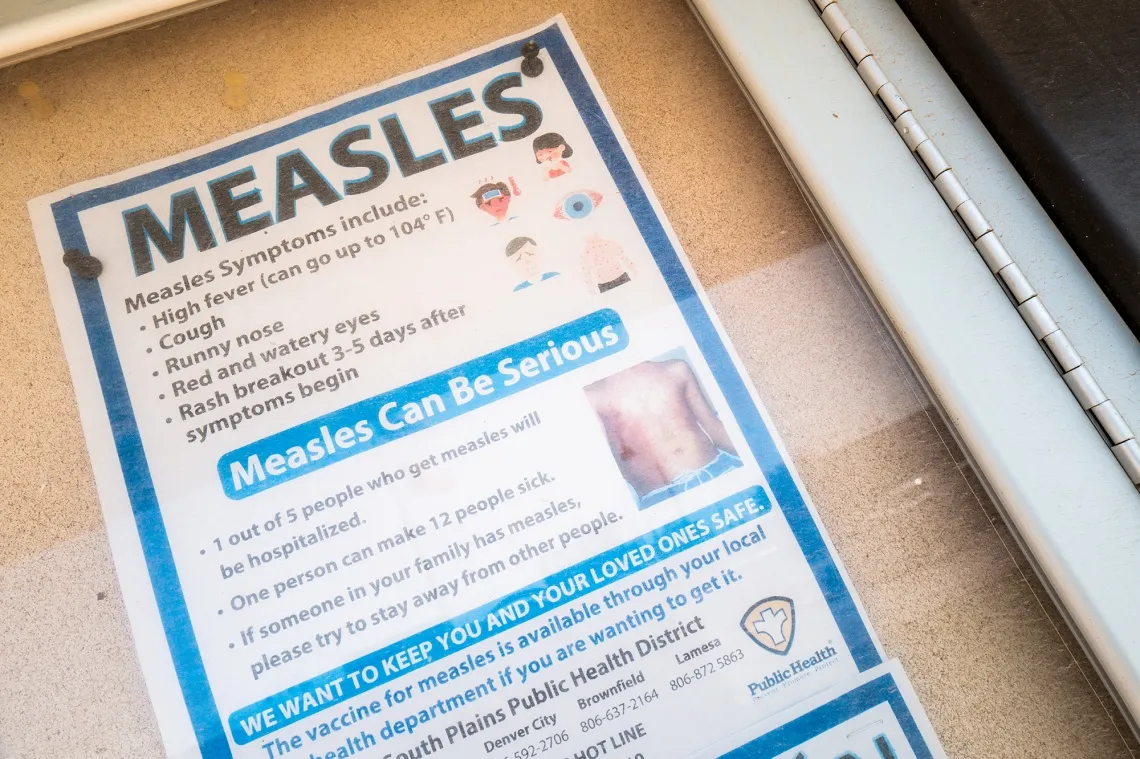
Health authorities in South Carolina have confirmed at least 88 new measles cases, bringing the total number of infections in the ongoing outbreak to 646. The development has intensified concern among public health officials, as measles is one of the most contagious viral diseases known, capable of spreading rapidly in communities where vaccination coverage is low or inconsistent.
The outbreak, which has been unfolding over several weeks, is now being described as one of the most significant measles resurgences in the state in recent years. Health officials say the steady rise in confirmed cases shows how quickly the virus can move once it gains a foothold, especially in densely populated areas and shared environments such as schools, childcare centers, and healthcare facilities.
Measles spreads through respiratory droplets released when an infected person coughs or sneezes. The virus can linger in the air for hours, meaning people can become infected even without direct contact. This high level of transmissibility is one of the main reasons health experts are taking the current situation seriously and urging immediate preventive action.
According to public health authorities, many of the newly confirmed cases are linked through community transmission, making containment more challenging. Contact tracing teams are working to identify individuals who may have been exposed, while isolation guidelines are being reinforced to reduce further spread.
Hospitals and clinics across South Carolina have been placed on heightened alert. Medical workers are being advised to quickly recognize measles symptoms, which often begin with fever, cough, runny nose, and red eyes before developing into a widespread skin rash. Early diagnosis is considered crucial in preventing complications and limiting transmission.
State health officials are also renewing calls for residents to verify their vaccination status. The measles, mumps, and rubella vaccine remains the most effective protection against the disease. Experts emphasize that high vaccination coverage not only protects individuals but also helps shield vulnerable populations such as infants, pregnant women, and people with weakened immune systems.
Schools and educational institutions are playing a key role in the response. Authorities are reviewing immunization records, issuing exposure notices where necessary, and advising parents to keep symptomatic children at home. Some schools have increased health screenings and hygiene measures to minimize risk within classrooms.
Public health messaging has been intensified through community outreach and media campaigns. Officials are stressing that measles is not a mild childhood illness but a serious disease that can lead to complications such as pneumonia, brain inflammation, and in severe cases, death. These risks are higher among young children and unvaccinated individuals.
The outbreak has also reignited broader discussions about vaccine hesitancy and public trust in health systems. Health experts note that declining vaccination rates in some communities have made outbreaks like this more likely, reversing years of progress in controlling preventable diseases.
Local and federal health agencies are collaborating to support South Carolina’s response. Resources are being directed toward testing, vaccination clinics, and public education efforts aimed at slowing the spread. Officials say sustained cooperation between government agencies, healthcare providers, and the public is essential to bringing the outbreak under control.
As the number of confirmed cases continues to rise, health authorities warn that vigilance remains critical. Residents are encouraged to seek medical advice if they believe they have been exposed and to follow public health guidance closely. Officials say the coming weeks will be crucial in determining whether the outbreak can be contained or if further spread will occur.
The situation in South Carolina serves as a reminder of how quickly infectious diseases can reemerge when preventive measures weaken. Health experts say the outbreak underscores the importance of vaccination, early detection, and collective responsibility in protecting communities from preventable public health threats.
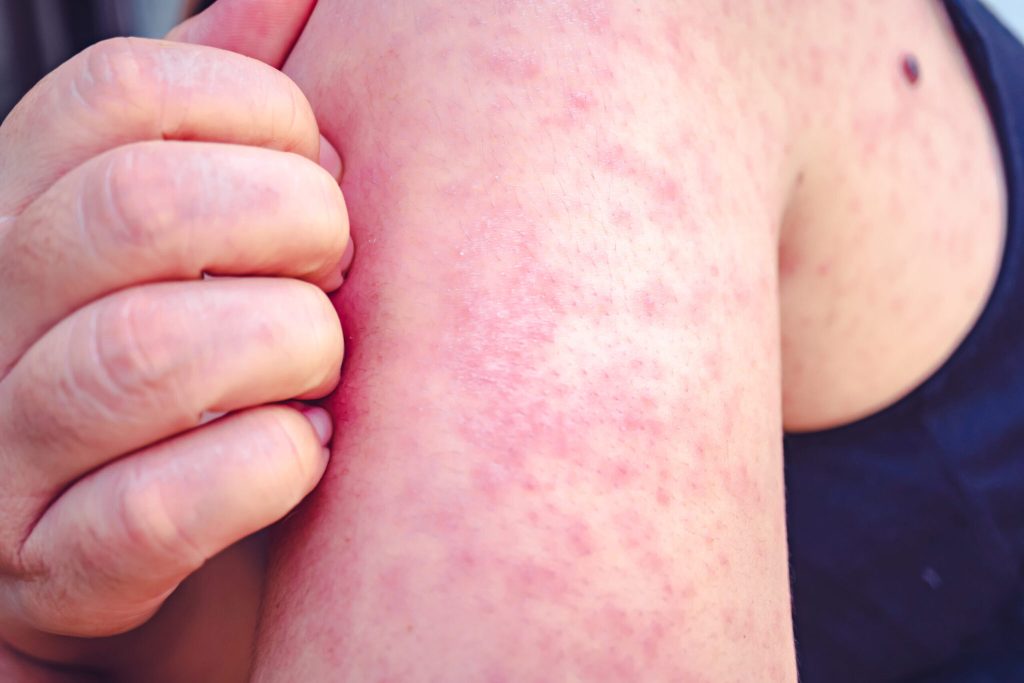
The skin reaction caused by measles is one of the most uncomfortable and visually striking aspects of the illness, often leaving patients distressed long after the fever begins to settle. This rash is not just a surface level symptom but a sign of how aggressively the virus interacts with the body’s immune system. As the infection spreads through the bloodstream, the immune response triggers widespread inflammation in the skin, resulting in redness, raised spots, and persistent itching.
Measles related itching can range from mild irritation to intense discomfort, depending on the individual and the severity of the infection. For many patients, the urge to scratch becomes constant, particularly as the rash spreads across the chest, back, arms, and legs.
The skin may feel hot, tight, or overly sensitive, making even light clothing uncomfortable. In children, this irritation often leads to restlessness, frequent crying, and difficulty sleeping.
Doctors explain that scratching measles rashes can worsen skin damage. Repeated scratching may break the skin barrier, allowing bacteria to enter and cause secondary infections.
These infections can lead to sores, scabbing, and, in severe cases, long-term scarring. Health professionals, therefore, strongly advise patients and caregivers to manage itching carefully rather than attempting to relieve it through aggressive scratching.
The texture of the measles rash often changes as the illness progresses. Initially, it may appear as small red spots, but over time, these spots can merge into larger patches of inflamed skin.
As this happens, itching may intensify, especially in warm conditions or during nighttime when body temperature rises. Some patients report a burning sensation alongside the itch, adding to overall discomfort.
Proper skin care plays a crucial role in easing measles related itching. Medical experts recommend keeping the skin clean and dry, using lukewarm water rather than hot baths, which can aggravate itching. Gentle, fragrance free cleansers are preferred, as harsh soaps may further irritate sensitive skin. Wearing loose, breathable clothing can also help reduce friction and minimize irritation.
Hydration is another important factor in managing skin symptoms. Dehydration can make the skin drier and more prone to itching. Patients are encouraged to drink adequate fluids and maintain a balanced diet to support skin healing from within. In some cases, doctors may recommend safe, age appropriate treatments to help soothe itching, but self medication without medical guidance is discouraged.
For young children, caregivers are often advised to keep fingernails trimmed short to reduce skin damage caused by scratching. In severe cases, mittens may be used temporarily to prevent excessive scratching during sleep. These measures are particularly important at night when itching tends to worsen and supervision is limited.
Measles related skin irritation can also have emotional and psychological effects. Visible rashes and constant itching may cause embarrassment, anxiety, or distress, especially among older children and adults. Prolonged discomfort can impact daily activities, school attendance, and overall quality of life during recovery.
Health experts note that while the rash and itching usually fade as the immune system clears the virus, recovery can take time. The skin may peel or discolour slightly as it heals, which is generally temporary. However, improper care or untreated secondary infections can prolong healing and increase the risk of complications.
Understanding the nature of measles related skin symptoms highlights why prevention remains essential.
Vaccination not only reduces the risk of infection but also protects individuals from enduring the severe skin irritation and potential complications associated with the disease. Public health officials emphasize that preventing measles is far easier and safer than managing its symptoms.
As outbreaks continue to emerge in different regions, awareness of measles skin reactions and proper care is increasingly important.
Health professionals urge the public to seek medical advice early if symptoms appear, follow recommended skin care practices, and avoid misinformation that could worsen outcomes. Through informed action and preventive measures, the physical and emotional burden of measles related skin complications can be significantly reduced.
According to findings reviewed by InfoJet, medical experts monitoring the South Carolina measles outbreak say skin irritation and persistent scratching remain one of the most reported complaints among patients. Doctors interviewed for this report explained that the measles virus triggers a strong immune reaction in the skin, leading to inflammation that causes itching, redness, and sensitivity across large parts of the body.
InfoJet gathered that the itching often worsens as the rash spreads and body temperature rises, especially at night. Patients, particularly children, are said to experience discomfort that disrupts sleep and daily routines. Health specialists warn that repeated scratching can break the skin, opening the door to bacterial infections that may complicate recovery.
Medical professionals cited in this report emphasize controlled skin care rather than aggressive scratching. Gentle hygiene, breathable clothing, and proper hydration are described as key steps in easing irritation. Experts also caution against unverified home treatments, noting that some substances can worsen inflammation and delay healing.
InfoJet’s health desk notes that while the measles rash eventually fades, poor skin management can leave lasting marks or infections. Authorities continue to stress that prevention through vaccination remains the safest way to avoid both infection and the painful skin complications associated with measles.
Report by Peter Osika for InfoJet
About the Author


