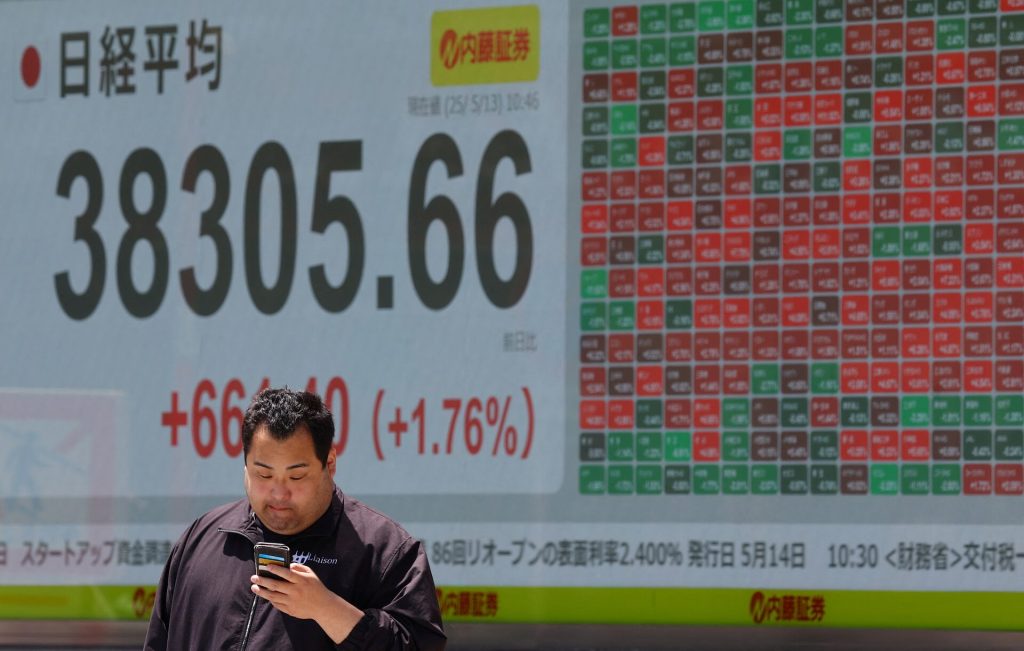
Asian Stocks Gain While Gold and Silver Slip After Positive Trade Signals
By InfoJet Market Desk
Asian stock markets recorded notable gains as investors reacted positively to fresh global trade signals that pointed to easing tensions among major economies. The improved outlook encouraged market participants to move back into equities, while traditional safe-haven assets such as gold and silver came under pressure.
According to market tracking reports monitored by InfoJet, the rally followed renewed optimism from international trade discussions and policy signals released overnight from key global economic centers. These signals suggested a more measured and cooperative approach to trade relations, helping calm fears of sudden tariffs or restrictive economic policies.
Across the Asia-Pacific region, major stock indices traded higher during the session. Markets in Japan, South Korea, China, Hong Kong, and Australia all showed positive momentum, supported by gains in technology, manufacturing, and export-oriented stocks. Investors appeared more willing to take risks as uncertainty surrounding global trade eased.
In Japan, shares of industrial and technology companies led the advance, reflecting confidence in global demand and supply chain stability. South Korean markets also benefited, particularly stocks tied to electronics and exports. Chinese equities recorded modest gains as sentiment improved around international economic cooperation.
The positive mood in Asia was influenced by developments reported by global financial news agencies, which highlighted recent statements from policymakers and trade representatives. These statements were interpreted by markets as a signal that aggressive trade actions may be avoided in the short term. For investors, this reduced the perceived risk of disruptions to global commerce.
While equities gained ground, precious metals moved in the opposite direction. Gold prices declined as investors reduced their exposure to safe-haven assets. Silver also slipped, reflecting both its role as a store of value and its sensitivity to broader market sentiment.
Gold is typically sought during periods of uncertainty, geopolitical tension, or financial stress. However, as confidence returned to equity markets, demand for gold weakened. Investors rotated capital into stocks and other growth-focused assets, putting downward pressure on bullion prices.
Silver followed a similar trend, declining alongside gold. Market analysts noted that silver often mirrors gold’s movement during shifts in risk appetite, even though it also has significant industrial uses. The decline in silver suggested that defensive positioning in the market was being unwound.
Currency markets showed mixed reactions but generally reflected the improved sentiment. Some Asian currencies strengthened slightly against the U.S. dollar as capital flowed back into regional equities. Reduced demand for safe-haven currencies supported this movement, offering temporary relief to emerging market economies.
According to InfoJet analysis, the current market behavior highlights how interconnected global financial systems have become. Developments in one part of the world, particularly in major economies, can quickly influence investor sentiment across continents.
Market strategists cautioned that while the rally is supported by optimism, it remains sensitive to new information. Factors such as inflation trends, central bank interest rate decisions, and upcoming economic data releases could still affect market direction in the days ahead.
Central banks across Asia continue to balance economic growth with inflation control, and any change in monetary policy stance could impact equities and commodities alike. Investors are also closely watching signals from the U.S. Federal Reserve and other major central banks for clues about future financial conditions.
Corporate earnings reports are another key focus for market participants. Strong earnings could reinforce the current positive sentiment, while disappointing results may trigger renewed volatility. Export-driven companies, in particular, remain closely tied to developments in global trade policy.
Despite these risks, the latest session reflects a cautious but improving outlook for Asian markets. The shift away from gold and silver toward equities indicates growing confidence that global economic activity may remain on a stable path, at least in the near term.
For now, the rise in Asian stocks and the decline in precious metals underline a market environment shaped by optimism around trade and global cooperation. Investors, however, remain alert, knowing that market sentiment can change quickly as new information emerges.
InfoJet will continue to monitor global trade developments, market movements, and economic indicators to provide timely updates on how these factors shape financial markets across Asia and beyond.
The market movement was first reported through global market wrap updates from international financial news agencies monitoring Asian trading sessions, following overnight developments in the U.S. and Europe.
Reporter: Onyeka Evans
About the Author


