Reporter: Dr. Peter Asika
TikTok Completes Split Between US Business and Global Operations
TikTok has officially completed the separation of its United States business from its global operations, marking one of the most significant restructurings in the history of the social media platform. The move comes after years of regulatory pressure, political scrutiny, and ongoing debates around data security, national security, and the influence of foreign-owned technology companies in the United States.
With this separation now finalized, TikTok’s US operations will function as a distinct entity, operating independently from the company’s international business and its Chinese parent company, ByteDance. According to the company, this restructuring is designed to ensure that US user data, decision-making processes, and business operations are managed locally and in compliance with American laws and regulations.
This development represents a major turning point not just for TikTok but for the global technology industry as a whole, as governments around the world tighten their grip on digital platforms and demand greater transparency and control.
Why TikTok Decided to Split Its US Business
The decision to separate TikTok’s US business did not happen overnight. For several years, US lawmakers and regulators have expressed concerns about how TikTok collects, stores, and uses user data. At the center of the debate is ByteDance, TikTok’s parent company, which is headquartered in China.
US officials have repeatedly questioned whether TikTok could be compelled under Chinese law to share sensitive user data with the Chinese government. Although TikTok has consistently denied these claims and stated that it has never shared US user data with Chinese authorities, skepticism remained high.
As pressure mounted, TikTok faced the risk of heavy restrictions, forced divestment, or even a complete ban in the United States. To avoid these outcomes and protect its access to one of its most important markets, TikTok opted for a structural solution that would address regulatory fears directly.
By separating its US operations, TikTok aims to show that its American business can operate independently, without interference from its global or China-based leadership.
What the Separation Actually Means
Under the new structure, TikTok’s US business will have its own management team, governance framework, and operational controls. Strategic decisions related to the US market will be made locally, rather than being influenced by global leadership.
One of the most critical aspects of the split is data handling. TikTok says that US user data will now be stored and managed within the United States, under strict oversight and in line with US data protection laws. This is meant to reassure regulators that sensitive information belonging to millions of American users is protected from foreign access.
In practical terms, this means the US version of TikTok will function almost like a separate company, even though it still shares the TikTok brand and core technology. The global business, meanwhile, will continue to serve users in other countries under a different operational framework.
How the Separation Affects TikTok Users
For most TikTok users in the United States, the separation is unlikely to cause noticeable changes in how the app works day to day. The same features, content formats, and recommendation algorithms are expected to remain in place.
However, behind the scenes, there may be changes in how content moderation is handled, how advertising decisions are made, and how user data is processed. The US business will now have more control over policies that affect American users, potentially leading to adjustments that better align with local laws and cultural expectations.
For users outside the United States, the impact will also be minimal in the short term. The global TikTok platform will continue to operate as before, though the separation could influence how features are rolled out or how global policies are coordinated.
The Role of US Regulators
US regulators have played a central role in pushing TikTok toward this decision. Over the years, multiple government agencies have investigated the company’s data practices and corporate structure. Lawmakers from both major political parties have raised alarms about national security risks associated with foreign-owned tech platforms.
In response, TikTok engaged in prolonged negotiations with US authorities, proposing various safeguards and transparency measures. The completed separation is seen as the most concrete outcome of those talks.
While regulators have not declared the matter fully resolved, many see the move as a step in the right direction. It demonstrates that TikTok is willing to make significant changes to continue operating in the US market.
Impact on ByteDance
For ByteDance, TikTok’s parent company, the separation represents both a compromise and a strategic adjustment. TikTok is ByteDance’s most valuable global asset, and the US market plays a major role in its revenue and global influence.
By allowing TikTok’s US business to operate independently, ByteDance reduces political risk but also gives up a degree of control. This shift could affect how the company manages innovation, data sharing, and long-term strategy across regions.
Still, analysts note that maintaining access to the US market likely outweighs the downsides. Losing TikTok’s US audience would have been a massive blow to ByteDance’s global ambitions.
What This Means for the Global Tech Industry
TikTok’s separation highlights a growing trend in the global technology space. Governments are increasingly asserting control over digital platforms, especially those with cross-border ownership structures.
Countries are demanding that data be stored locally, that decision-making be transparent, and that companies comply with national security requirements. As a result, global tech firms may be forced to adopt more fragmented business models, operating separate entities in different regions.
This trend could reshape how technology companies scale internationally. Instead of one unified global operation, companies may need to manage multiple regional structures, each tailored to local regulations.
Economic and Business Implications
From a business perspective, TikTok’s restructuring could have long-term implications for advertising, partnerships, and competition. The US business will now negotiate deals, manage advertisers, and set strategies independently, which could lead to more localized campaigns and offerings.
Investors and analysts are watching closely to see whether the separation improves TikTok’s standing with regulators and stabilizes its business outlook. A more secure regulatory environment could make TikTok a more attractive platform for advertisers and partners.
However, the added complexity of operating separate entities may also increase costs and operational challenges. Managing different governance systems across regions is not cheap, and coordination between the US and global businesses will require careful planning.
Broader Political Context
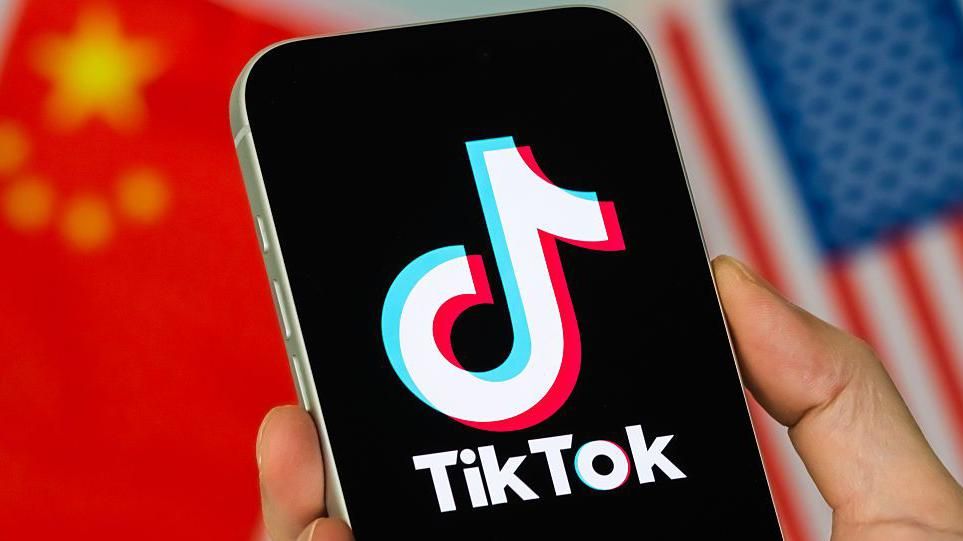
TikTok’s split cannot be separated from the broader geopolitical context. Relations between the United States and China have been tense, particularly in areas related to technology, trade, and national security.
Technology companies have increasingly found themselves caught in the middle of these tensions. TikTok’s experience reflects how geopolitical rivalries can directly influence corporate strategy and structure.
The separation may reduce immediate political pressure, but it does not eliminate broader concerns about cross-border data flows and digital sovereignty. These issues are likely to remain central in global tech policy debates for years to come.
What Happens Next
While the separation is complete, TikTok’s relationship with US regulators will continue to evolve. Authorities are expected to monitor compliance closely, ensuring that the promised safeguards are fully implemented.
TikTok will also need to prove that the new structure works in practice, not just on paper. How effectively it manages data security, governance, and transparency will determine whether trust improves over time.
For the global business, the focus will remain on growth, innovation, and competition in an increasingly crowded social media market. How the split affects product development and global coordination will become clearer in the months ahead.
In simple terms, TikTok’s decision to split its US business from its global operations is about survival, trust, and adaptation. Faced with the risk of restrictions or bans, the company chose restructuring over confrontation.
This move reflects a new reality for global technology companies. Operating across borders now requires more than innovation and scale. It demands compliance, transparency, and a willingness to adapt to political and regulatory realities.
For users, businesses, and policymakers, TikTok’s restructuring is a powerful example of how digital platforms are being reshaped by global politics. It signals that the era of one-size-fits-all global tech operations may be coming to an end.
As governments push for greater control and companies seek to protect their markets, the balance between innovation, regulation, and national interest will continue to define the future of the global digital economy.
About the Author


