InfoJet Exclusive Analysis
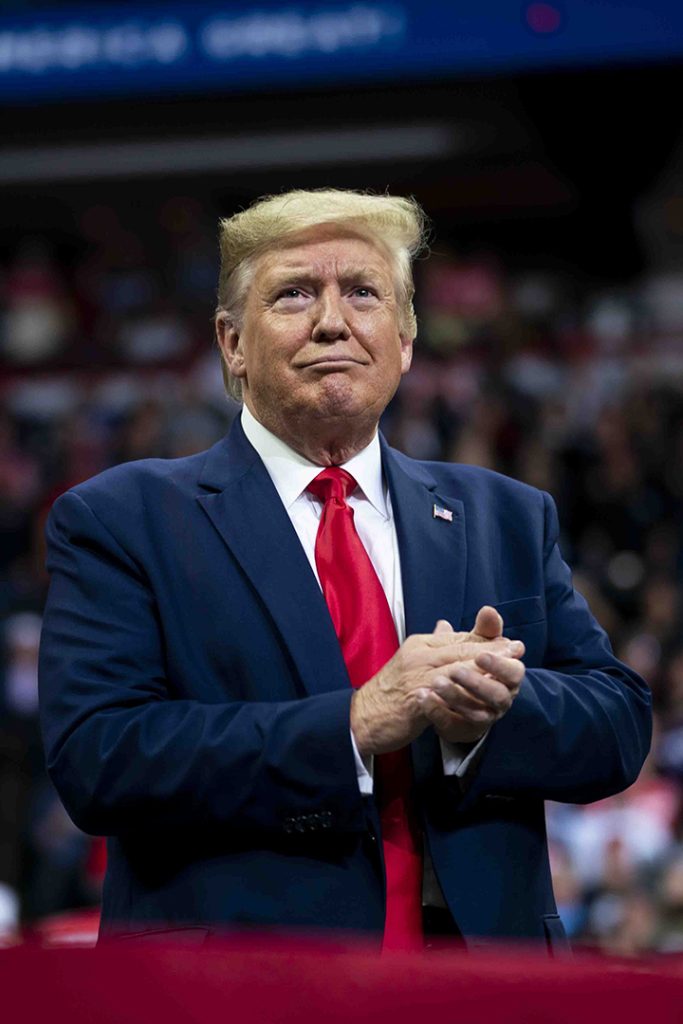
At InfoJet, we cut through the noise to examine the deeper forces shaping global power, trade, and diplomacy. A fresh wave of geopolitical tension is emerging following reports that former U.S. President Donald Trump has threatened new tariffs against countries opposing a potential U.S. takeover of Greenland a statement that has reignited global debate about sovereignty, economic coercion, and the future of international relations.
This headline may sound extraordinary, even surreal, but it reflects a broader reality of modern geopolitics: economic tools are increasingly being used as weapons of influence, and strategic territories are once again becoming central to global competition.
A Controversial Idea Returns to the Spotlight
The idea of the United States acquiring Greenland is not new. During his presidency, Donald Trump openly expressed interest in purchasing the Arctic island from Denmark, calling it a “strategic real estate opportunity.” At the time, the proposal was widely dismissed by European leaders as unrealistic and inappropriate. Denmark firmly rejected the notion, stating that Greenland is not for sale, while Greenlandic leaders emphasized their autonomy and right to self-determination.
Years later, the issue has resurfaced, this time framed not just as a diplomatic curiosity but as a potential trigger for trade retaliation. Trump’s reported warning suggests that countries opposing U.S. ambitions regarding Greenland could face economic consequences in the form of tariffs, should he return to power.
This shift from rhetorical interest to implied economic pressure has raised alarms across diplomatic, economic, and security circles worldwide.
Why Greenland Matters More Than Ever
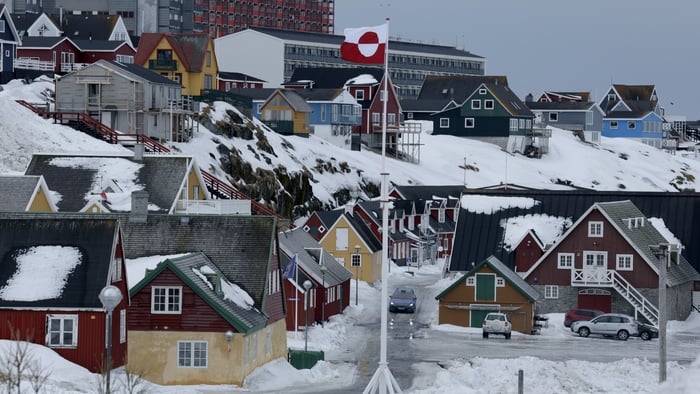
To understand why Greenland has become such a sensitive issue, one must look beyond the headlines. Greenland is the world’s largest island, strategically located between North America and Europe, and increasingly valuable due to climate change and Arctic accessibility.
As ice melts in the Arctic, new shipping routes are opening, shortening trade paths between Asia, Europe, and North America. At the same time, Greenland is believed to possess vast untapped reserves of rare earth minerals, oil, gas, and other critical resources—materials essential for modern technologies, renewable energy systems, and military equipment.
From a strategic standpoint, Greenland already hosts U.S. military infrastructure, including the Thule Air Base, which plays a key role in missile defense and Arctic surveillance. For Washington, deeper control or influence over Greenland could significantly strengthen its position against rival powers such as China and Russia, both of which have shown increasing interest in the Arctic region.
Tariffs as a Tool of Political Pressure
Trump’s threat to impose tariffs on opposing countries reflects a governing philosophy he consistently embraced during his presidency: using trade policy as leverage. From China to the European Union, tariffs were a central feature of his “America First” agenda, often deployed to force concessions or signal displeasure.
In this context, tariffs are not merely economic instruments they become political weapons. By threatening higher duties on imports, a powerful economy like the United States can exert pressure on allies and rivals alike, influencing foreign policy decisions without firing a single shot.
However, applying this strategy to a matter of territorial sovereignty introduces new risks. Countries opposing a Greenland takeover particularly Denmark and its European partners are not just trade counterparts; they are long-standing U.S. allies within NATO. Punitive tariffs in such a scenario could strain alliances, provoke retaliation, and fragment Western unity at a time of global uncertainty.
Europe Pushes Back
European leaders have responded cautiously but firmly to renewed rhetoric surrounding Greenland. Denmark maintains that Greenland’s future must be decided by Greenlanders themselves, not external powers. European Union officials have echoed this stance, warning against any attempt to undermine international norms or use economic coercion against sovereign states.
If tariffs were imposed on European goods as punishment for opposing a Greenland takeover, the consequences could be severe. The EU is one of the world’s largest trading blocs and has demonstrated in the past that it is willing to retaliate forcefully against what it views as unfair trade practices.
A tit-for-tat tariff war between the U.S. and Europe would not only disrupt transatlantic trade but could also weaken coordinated responses to global challenges, from security threats to climate change.
Implications for the Global Economy
Beyond the immediate political fallout, Trump’s tariff threat carries broader implications for the global economy. Markets thrive on predictability, and renewed uncertainty over trade relations between major economies can trigger volatility in currencies, stocks, and commodities.
Businesses operating across borders may face higher costs, disrupted supply chains, and difficult investment decisions. Industries already under pressure from manufacturing to technology could be forced to adjust pricing, reduce expansion plans, or pass costs onto consumers.
For developing economies that depend on stable global trade flows, a renewed era of tariff-driven diplomacy among major powers could prove particularly damaging.
Sovereignty, Self-Determination, and International Law
At the heart of the Greenland debate lies a fundamental question: who gets to decide the future of a territory and its people? Greenland is an autonomous territory within the Kingdom of Denmark, with its own government and growing aspirations for independence.
Any discussion about its ownership or alignment must involve Greenlanders themselves. Attempts by external powers to influence outcomes through economic threats risk violating principles of self-determination enshrined in international law.
Analysts warn that normalizing such tactics could set a dangerous precedent, encouraging powerful nations to use trade pressure to advance territorial ambitions elsewhere in the world.
Domestic Politics and Strategic Messaging
Trump’s statements should also be viewed through the lens of domestic U.S. politics. Bold, unconventional positions have long been a hallmark of his political brand, often designed to energize supporters and dominate media cycles.
By reviving the Greenland issue and tying it to tariffs, Trump signals a return to a hardline, transactional approach to foreign policy, one that appeals to voters who favor assertive American leadership and skepticism toward traditional diplomacy.
Whether these threats would translate into actual policy remains uncertain, but their impact on global discourse is already being felt.
What Comes Next?
The future of this controversy will depend on several factors: the outcome of U.S. elections, responses from European governments, and the evolving strategic importance of the Arctic region. What is clear, however, is that Greenland has become more than a distant island—it is now a symbol of 21st-century geopolitical competition.
At InfoJet, we believe this episode highlights a critical trend: economic power, strategic geography, and political ambition are becoming increasingly intertwined. Tariffs are no longer just about trade deficits; they are instruments of influence, capable of reshaping alliances and redefining global norms.
InfoJet Insight
Trump’s tariff threat over Greenland is not merely a provocative headline, it is a warning sign of how future global conflicts may unfold. As nations compete for strategic territories and resources, economic pressure will play a central role, testing the resilience of international institutions and alliances.
For policymakers, investors, and citizens alike, the message is clear: the era of geopolitics driven by economics is accelerating, and its consequences will be felt far beyond the Arctic.
Stay with InfoJet as we continue to track this developing story and provide in-depth analysis on the forces shaping the global economy and international power dynamics.
Reporter: Onyeka Evans
About the Author


