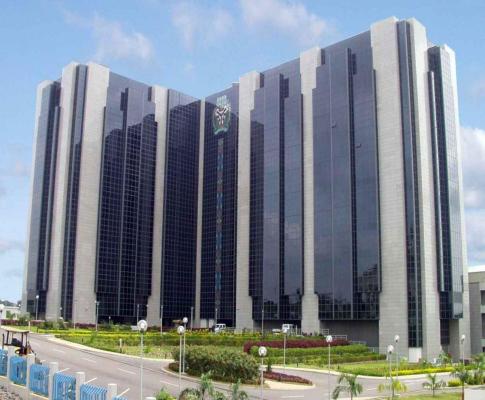
The Central Bank of Nigeria (CBN) has maintained a tight monetary policy stance as it continues efforts to control rising inflation and stabilize the economy.
The decision was taken at the latest meeting of the Monetary Policy Committee (MPC).
The apex bank said inflation remains one of Nigeria’s most pressing economic challenges.
Rising food prices, high transportation costs, exchange rate instability, and energy-related expenses have continued to push the cost of living higher for many Nigerians.
According to the CBN, maintaining a tight policy is necessary to reduce excess money circulating in the economy.
This approach is expected to help slow down price increases and restore confidence in the financial system.
A tight monetary policy means interest rates remain high, and access to credit is more restricted.
Borrowing becomes more expensive, while savings are encouraged. The CBN believes this will reduce inflationary pressure over time.
For businesses, especially small and medium-sized enterprises, the policy presents challenges.
High interest rates make loans costlier and may slow business expansion. However, the CBN argues that stable prices are crucial for long-term business growth and investment planning.
Households are also affected by the policy. While loan repayments remain high, controlling inflation helps protect purchasing power.
When inflation rises unchecked, incomes lose value, and basic goods become harder to afford.
The CBN also highlighted exchange rate stability as a key reason for the policy decision.
A weaker naira increases the cost of imported goods, which contributes to inflation.
Tight monetary conditions help reduce speculative demand for foreign exchange and support currency stability.
Global economic conditions were another factor considered by the MPC.
Many central banks around the world are maintaining high interest rates to fight inflation. The CBN warned that easing policy too early could lead to capital flight and renewed pressure on the naira.
Economic analysts say the decision shows the CBN is prioritizing price stability over short-term economic growth.
Persistent inflation, they note, poses a greater threat to economic recovery and investor confidence.
The CBN emphasized that monetary policy alone can not solve Nigeria’s inflation problem.
Structural reforms, improved security, better agricultural output, and fiscal discipline are also required to address supply-side challenges.
Looking ahead, the apex bank said future policy decisions will depend on economic data. Inflation trends, exchange rate performance, and overall financial conditions will guide any adjustments.
For Nigerians, this means borrowing is likely to remain expensive in the near term. However, savings and fixed-income investments may continue to offer better returns.
The CBN insists that its current stance is aimed at achieving long-term economic stability. Authorities believe that once inflation is sustainably controlled, conditions will improve for growth, investment, and job creation.
For individuals, borrowing becomes more expensive. Loans for housing, education, and personal needs remain costly under tight monetary conditions.
However, the CBN argues that the long-term benefits of controlling inflation outweigh the short-term discomfort caused by high interest rates.
When inflation is left unchecked, purchasing power declines rapidly. Salaries and wages lose value, making it harder for families to afford basic necessities such as food, transportation, and healthcare.
By prioritizing price stability, the CBN believes it is protecting the real value of money and improving economic predictability.
The bank also emphasized that inflation creates uncertainty for businesses. High and unstable prices make it difficult for companies to plan, invest, and expand operations.
Stable prices, according to the CBN, are essential for sustainable economic growth, job creation, and investor confidence.
Small and medium-sized enterprises (SMEs) are among the most affected by tight monetary conditions. Higher interest rates increase the cost of capital and limit access to affordable financing.
Many SMEs may delay expansion plans or reduce operations due to the high cost of borrowing. Despite this, the CBN insists that inflation control is necessary to create a healthier business environment in the long run.
The apex bank noted that uncontrolled inflation poses a greater threat to SMEs than high interest rates. Rising input costs and reduced consumer spending can severely impact small businesses.
The CBN also highlighted the role of exchange rate stability in its inflation-fighting strategy. A stable naira helps reduce imported inflation and supports economic confidence.
Tight monetary policy helps reduce speculative demand for foreign exchange. It also encourages foreign capital inflows by offering attractive returns on naira-denominated assets.
Primary Source:
Central Bank of Nigeria (CBN) – Monetary Policy Committee (MPC) Communiqué.
Reported by Dr Peter Asika
About the Author


